Paris Olympics Spanish Football Team: The Gap Between Expectations and Reality
As a long-time follower of Spanish football, I must admit that our performance at the Paris Olympics was indeed somewhat disappointing. While Spanish football has consistently achieved great success in World Cups and European Championships, the Olympics seems to always be our weak point. This Paris Olympics, we once again proved that Olympic football and senior team football are completely different concepts.
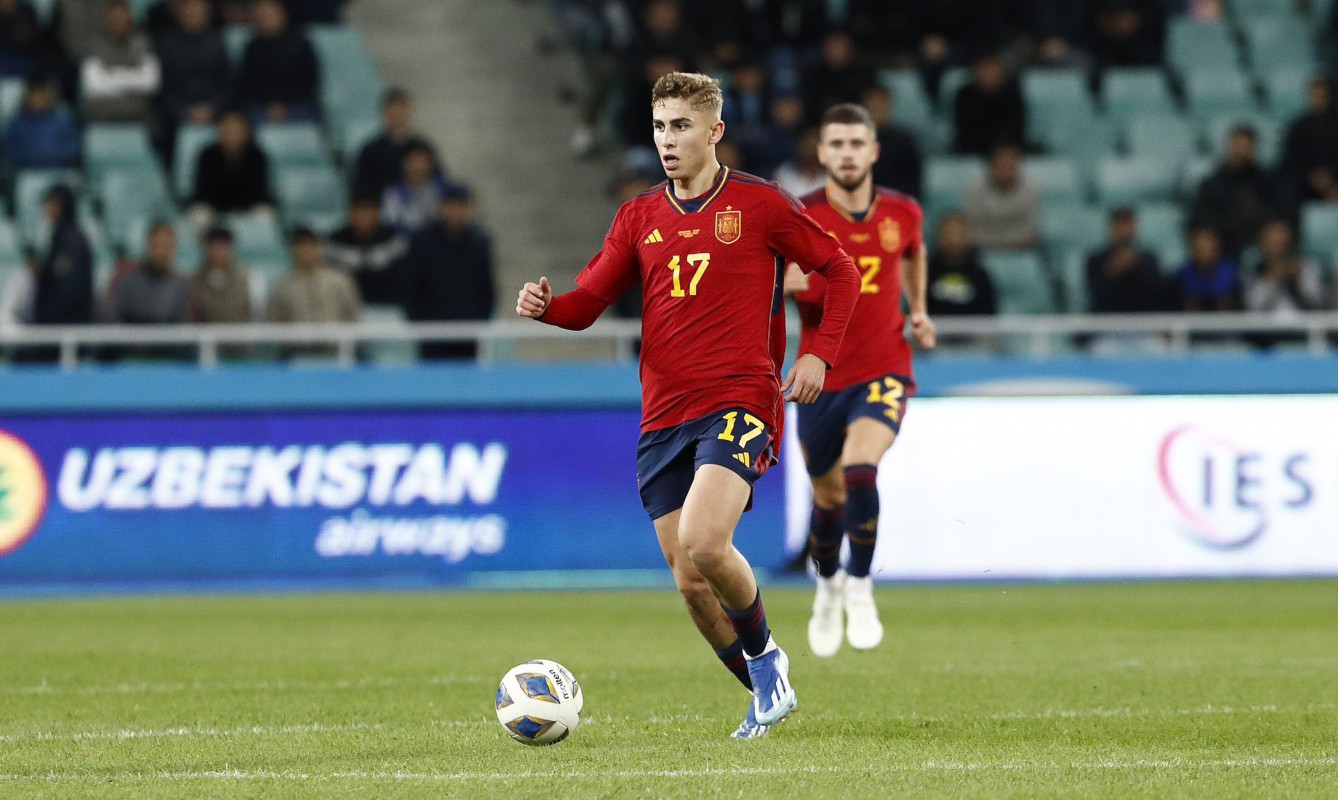
Opportunities and Challenges for Young Players
The special rules of Olympic football competition make this event full of uncertainty. The combination of under-23 players plus 3 overage players should theoretically showcase a perfect blend of youthful energy and experience. However, reality is often more complex than ideals. Our young players clearly lacked that composure under pressure when facing the stress of major international competitions.
From a technical perspective, we still maintain the traditional advantages of Spanish football, but in terms of psychological quality and match experience, there is indeed significant room for improvement. Particularly in crucial moments, the young players appeared somewhat nervous and hesitant.
Tactical System and Player Configuration Analysis
Let’s examine the main player configuration of Spain’s Olympic team:
| Position | Starting Player | Performance Rating |
|---|
| Goalkeeper | Arnau Tenas | Stable and reliable |
| Defender | Cubarsi | Good in both attack and defense |
| Midfielder | Fermin Lopez | Lacking creativity |
| Forward | Abel Ruiz | Room for improvement in finishing |
From a tactical perspective, the coaching staff attempted to continue the possession-based style of the senior team, but young players indeed showed gaps in execution. Especially when facing more physically intense matches, our technical advantages were not fully utilized.
The Gap with Other Strong Teams
We must acknowledge that in this Olympics, traditional powerhouses like France and Argentina have indeed advanced ahead of us in youth team development. Their young players are not only technically excellent, but more importantly, they demonstrate greater maturity in major tournament experience and psychological quality. This makes me reflect that perhaps we have overly focused on technical training in our youth system while neglecting the cultivation of pressure resistance and match intelligence.
France’s success largely stems from their comprehensive youth system and rich international match experience. In comparison, while our young players perform well at club level, they still need time for integration and experience accumulation at national team level.
Future Prospects and Constructive Suggestions
Although the Olympic results were not satisfactory, I believe this is also an excellent learning opportunity. These young players, through their Olympic experience, will inevitably achieve qualitative leaps in the coming years. The key is that we must learn from failure and improve our youth system.
I suggest the Spanish Football Federation should strengthen international match opportunities for under-23 players, allowing them to participate more in high-level international competitions, as seen with Spain’s oldest Olympic player. Meanwhile, greater investment is needed in psychological counseling and pressure training. After all, technique can be improved through training, but psychological quality cultivation requires longer time and more systematic approaches.
Overall, although we didn’t achieve ideal results in this Olympics, unlike Spanish Olympic basketball, the future of this group of young players remains promising. The foundation and tradition of Spanish football will not disappear due to one setback, and I believe we will see these players shine on bigger stages in the near future.
