As a long-time follower of Spanish football, I’ve been genuinely concerned about the national team’s recent performances. Losing is painful for any team, but for a traditional powerhouse like Spain, the impact of failure often hits much harder.
Players’ Immediate Reactions
The moment the final whistle blows, we can clearly see the different reactions of players through television coverage. Some players who bet against themselves collapse directly onto the grass, covering their faces with their hands; others show Spanish players’ expressions after losing by angrily kicking at the air, venting their inner frustration. These are all completely normal emotional expressions, considering the enormous effort they put into the match.
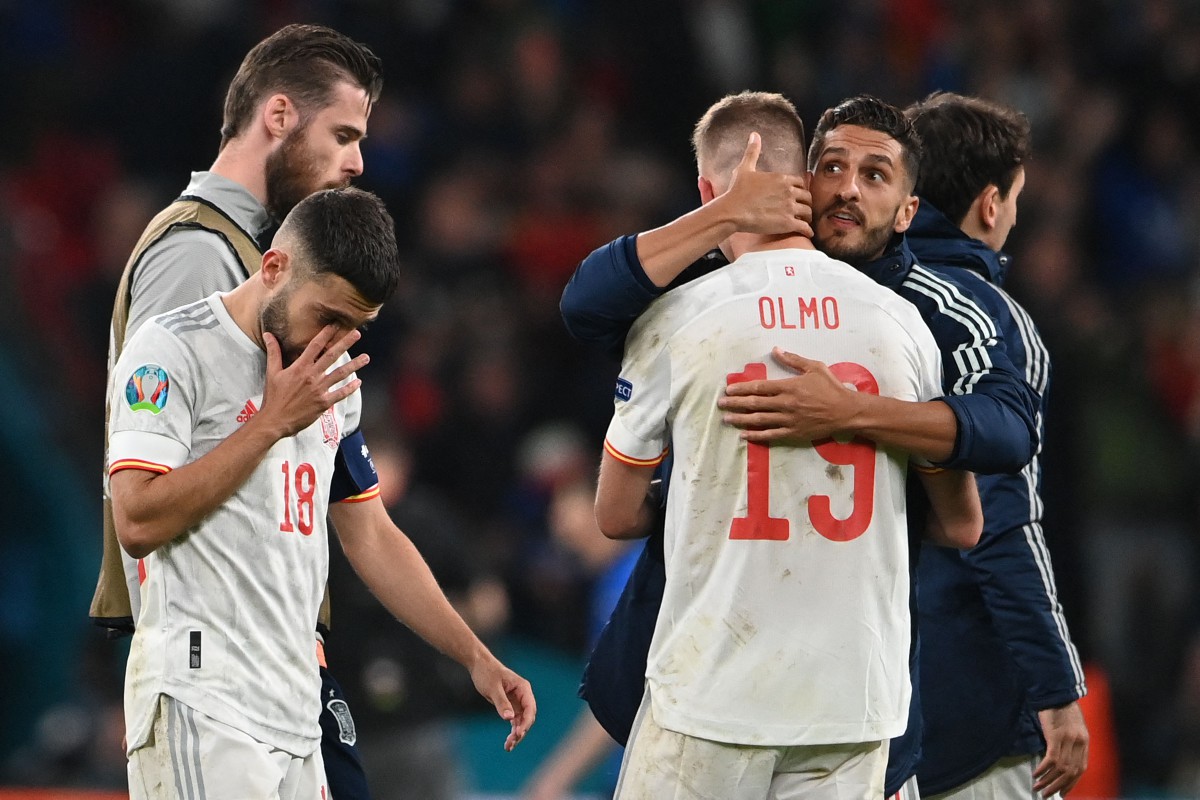
From a psychological perspective, professional players typically go through several stages when facing defeat: denial, anger, bargaining, depression, and finally acceptance of reality. The duration of this process varies from person to person, but each stage is a necessary part of psychological adjustment.
Pressure Differences by Position
| Position | Main Pressure Source | Recovery Recommendations |
|---|
| Goalkeeper | Responsibility for conceded goals | Technical analysis review |
| Defender | Defensive mistakes | Team coordination training |
| Midfielder | Organizational failures | Tactical understanding enhancement |
| Forward | Goal-scoring pressure | Shooting technique improvement |
Goalkeepers often bear the greatest psychological pressure, as their every mistake can directly lead to conceding goals. Forwards face enormous expectations to score, especially in crucial matches, where this pressure multiplies exponentially.
The Coaching Staff’s Role
At times like these, the psychological guidance work of the coaching staff becomes crucial. Excellent coaches must not only analyze technical and tactical issues but also focus on players’ mental health. They need to help players view failure correctly, transforming it into motivation for progress rather than a burden.
The Spanish Football Federation has always done well in this regard, with dedicated sports psychology teams that intervene promptly after matches to help players process negative emotions. This professional support system is vital for players’ rapid recovery.
Pathways to Rebuilding Confidence
Players need time to digest failure, but more importantly, they must learn from it. Analyzing match footage, summarizing lessons learned, and developing improvement plans are all necessary steps in rebuilding confidence. Meanwhile, mutual support among teammates is indispensable, as team cohesion often shows its best in adversity.
I hope Spanish players can emerge from this shadow quickly and demonstrate better form in their next match. After all, true champions aren’t those who never fail, but those who can rise from failure and continue moving forward.
