The Diversification Process of the Spanish National Team
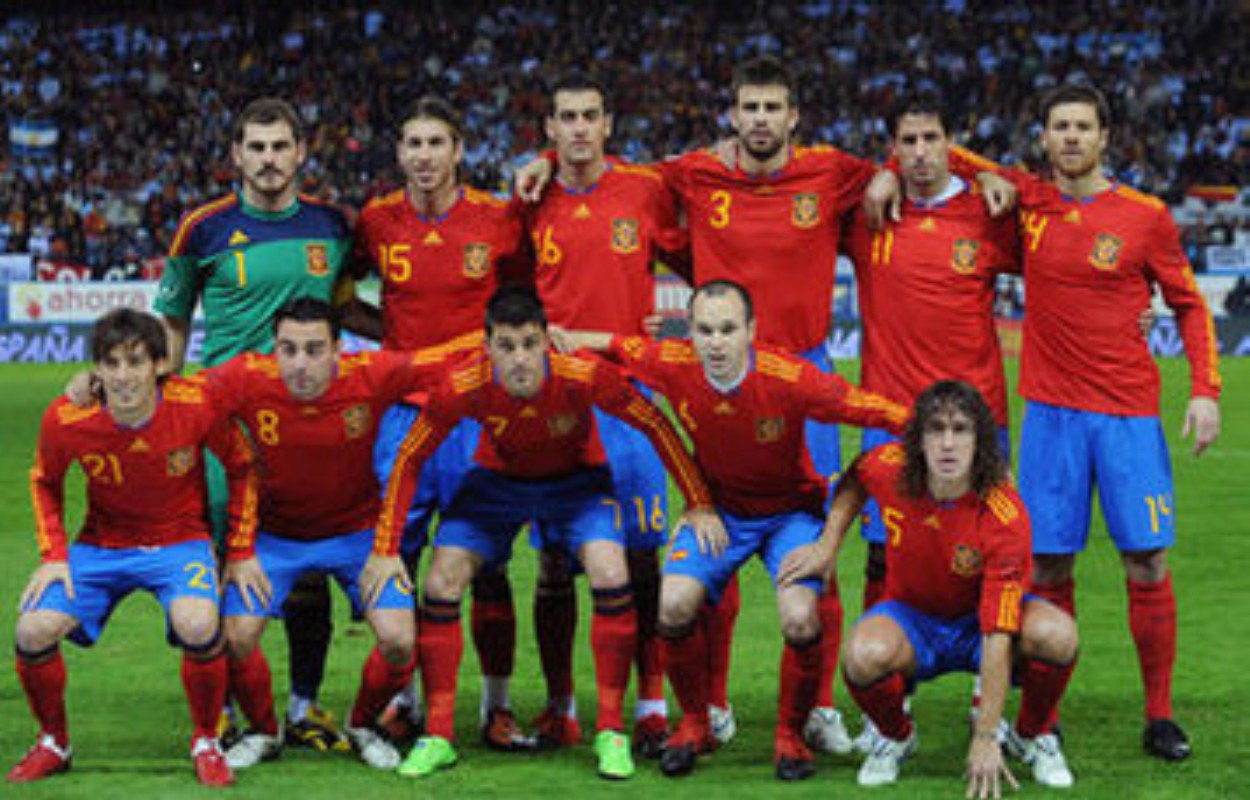
As a European football powerhouse, the Spanish national team has shown an increasingly evident trend of diversification in its player composition in recent years. Particularly, the inclusion of African-descent players has injected new vitality into this traditional giant. From technical statistics, approximately 15-20% of current Spanish national team players have African heritage, a proportion that has steadily risen over the past decade.
Analysis of Current Representative Players
In the current Spanish national team roster, several black players have become core forces of the team. Ansu Fati, as Barcelona’s rising star, despite being born in Guinea-Bissau, chose to play for Spain and demonstrates remarkable attacking talent. Additionally, players like the Williams brothers have brought different stylistic characteristics to Spanish football.
Historical Development Trajectory
Looking back at Spanish football history, the integration of black players has undergone a gradual process. Starting from the 1990s, with changes in immigration policies and the development of football globalization, more and more African-descent players began to emerge in Spanish leagues. This change is reflected not only at the club level but has also gradually influenced the national team’s selection criteria.
| Era | Black Player Percentage | Representative Players |
|---|
| 1990s | <5% | Few pioneers |
| 2000s | 8-12% | Marcos Senna and others |
| 2010s | 12-18% | Thiago Alcântara |
| 2020s | 15-20% | Ansu Fati and others |
Technical Characteristics and Tactical Contributions
From a technical perspective, black players have brought Senna more physical confrontation ability and speed advantages to the Spanish national team. Traditional Spanish football emphasizes technical finesse and possession-based play, while the inclusion of these players has enriched the team’s tactical options. The past singular technical-flow playing style now incorporates more diverse elements, giving the Spanish team more response options when facing different opponents.
This diversification trend reflects the inevitable law of modern football development and also demonstrates the improvement of Spanish society’s inclusiveness. With the continuous emergence of new generation players, it is believed that the Spanish national team’s roster composition will become even more rich and colorful, bringing more exciting match performances to fans.
