The Unique Appeal of Spanish World-Class Team Players
As a football enthusiast who has lived in Spain for many years, I have always been impressed by the football culture and player development system here. Spain not only boasts prestigious clubs like Real Madrid and Barcelona, but more importantly, has cultivated countless world-class excellent players. Today I want to share some observations and thoughts about Spanish world-class team players.
Technical Style Heritage and Innovation
The most distinctive characteristic of Spanish players is their excellent technical foundation. From the Real Madrid Galácticos era with Beckham to today’s new generation players, technical finesse and precise passing have always been the hallmark of Spanish players. Young players like Pedri and Gavi, who grew up in Barcelona’s youth system, have inherited the traditional tiki-taka style while incorporating modern football’s fast-paced elements.
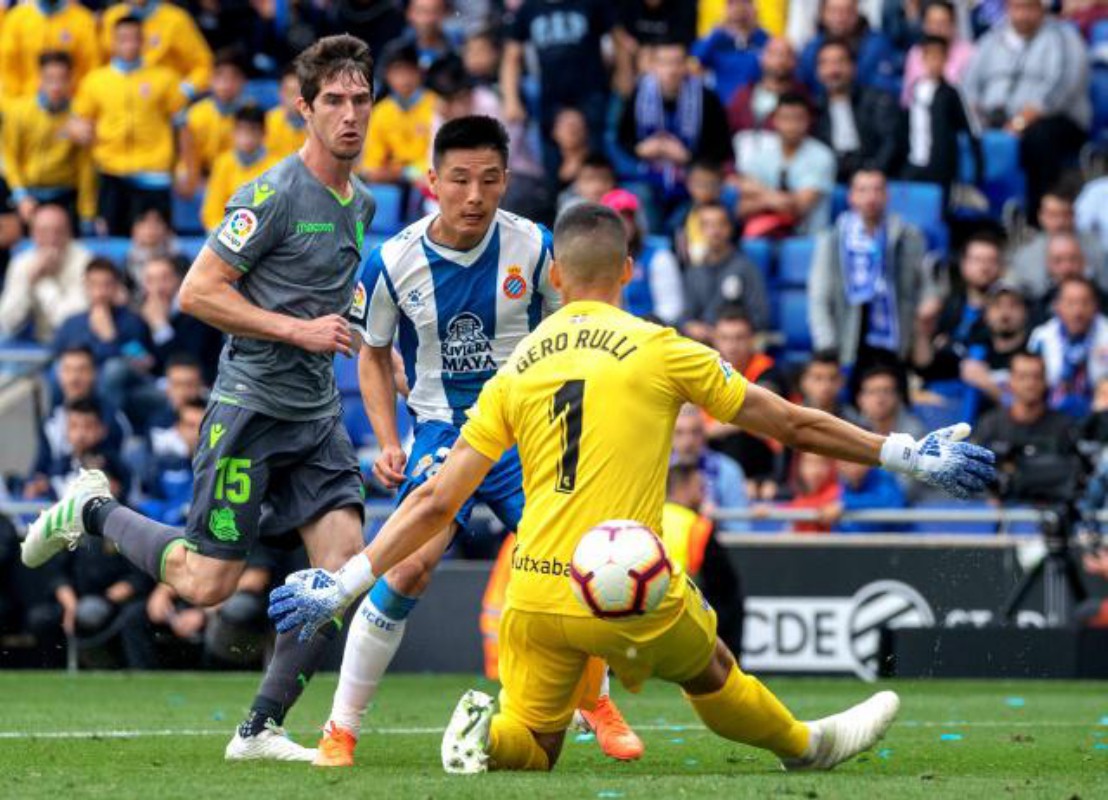
Modern Spanish players, while maintaining their technical advantages, are also continuously improving their physical confrontation abilities. This evolution allows them to handle the intense confrontations in leagues like the Premier League and Bundesliga with greater ease.
Diversification of Professional Development Paths
| Development Path | Representative Players | Characteristics |
|---|
| Local Growth Type | Busquets, Alba | Complete development from youth academy to first team |
| Overseas Experience Type | Morata, Rodri | Enhanced comprehensive abilities through foreign leagues |
| Return Development Type | Ramos, Koke | Continued development in La Liga after gaining fame abroad |
From this table, we can see that Spanish players’ professional development paths are becoming increasingly diversified. It’s no longer simply local cultivation, but through Spanish World Cup players different development models to adapt to modern football’s demands.
Mental Strength and Match Experience
Spanish players generally possess excellent mental strength, which is inseparable from the football education they receive from a young age. In Spain’s youth development system, not only is technical training emphasized, but psychological development and match experience accumulation are also prioritized. This is why many Spanish players can remain calm in crucial moments and make correct judgments.
Especially in international competitions, Spanish players demonstrate maturity that often exceeds their age. Young players like Ansu Fati, despite their youth, can still perform excellently when facing strong teams. This cultivation of mental strength is one of the important factors in Spanish football’s success.
Future Development Trends and Challenges
Looking ahead, Spanish football faces new challenges and opportunities. On one hand, traditional technical play remains effective in modern football, but needs to keep pace with the times; on the other hand, young players need to further enhance their physical qualities and tactical understanding while maintaining their technical advantages.
I believe the future of Spanish football remains bright. As long as they continue to uphold youth development traditions while adapting to modern football’s development trends, I’m confident more excellent Spanish players will shine on the world stage. As fans, we also look forward to seeing more exciting performances and breakthroughs from [Spanish World Cup player draws].
