Recently while watching La Liga matches, I suddenly thought of an interesting topic: those players with Russian heritage or born in Russia who later acquired Spanish nationality. Although these players are not numerous, their stories are quite fascinating.
Representative Player Introductions
When talking about Russian-Spanish players, the most famous should be Denis Cheryshev. Although he ultimately chose to represent the Russian national team, his growth experience in Spain cannot be ignored. Cheryshev was born in Russia but moved to Spain with his family at a young age, spending important formative years in Real Madrid’s youth academy. His technical style was clearly influenced by Spanish football culture, with precise passing and delicate footwork.
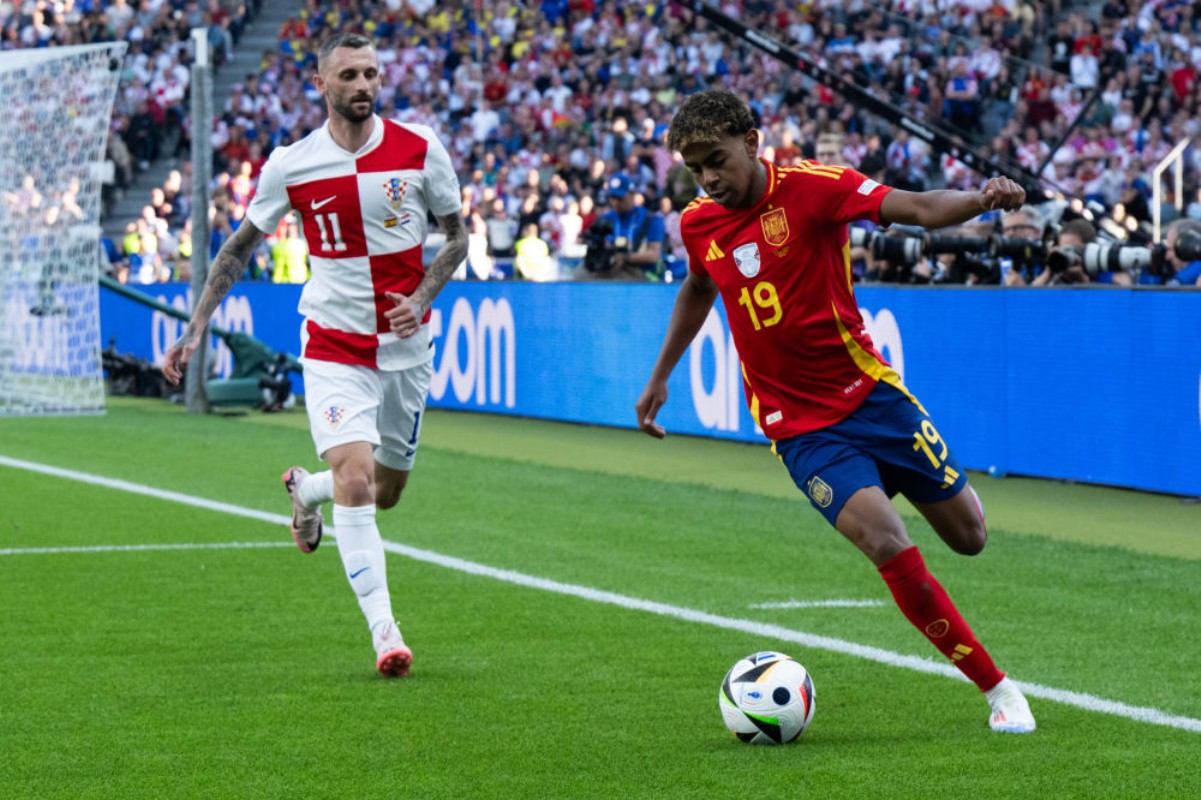
Another player worth noting is Miguel Torres. Although he doesn’t have pure Russian heritage, his career trajectory is quite representative. These players often demonstrate excellent adaptability during their youth, being able to integrate well into the Spanish football system.
Technical Characteristics Analysis
From a technical perspective, these players typically possess the following characteristics:
| Technical Features | Specific Performance |
|---|
| Passing Ability | High accuracy, broad vision |
| Physical Attributes | Combining Russian players’ strength with Spanish players’ agility |
| Tactical Understanding | Deeply influenced by Spanish football philosophy |
Their playing style often combines the advantages of two football cultures. Russian football emphasizes physical confrontation and direct attacks, while Spanish football focuses on technique and possession. This fusion allows them to perform with both power and skill on the field.
Career Development Trajectory
These players’ career development usually follows a similar pattern: early football education in Spain, growth within the youth system, then gradual entry into professional leagues. Many people think they would automatically choose Spanish nationality, but the actual situation is often more complex. Nationality choice usually depends on multiple factors, including family background, career opportunities, and personal emotional belonging.
These players generally perform well in La Liga. They can usually adapt well to the rhythm and style of Spanish football, showing excellence in tactical execution. This also proves from the side the inclusiveness and effectiveness of Spain’s football youth training system.
Impact on Spanish Football
Although this type of player is limited in number, they have still had a positive impact on Spanish football. First, they bring different cultural perspectives and playing styles to Spanish football. Second, their success stories also encourage more international players to choose to develop their careers in Spain. Most importantly, they prove that football, as a global sport, can transcend national boundaries and cultural differences to create unique value, as seen with Russian players.
