As a long-time follower of Spanish football, I want to share some statistical data about Spanish passing players with you. This data not only showcases the technical characteristics of Spanish football but also reflects the changes in player styles across different eras.
Passing Data of the Legendary Generation
When talking about Spanish passing masters, Xavi Hernández is absolutely an unavoidable topic. Throughout his career, his average passes per game reached an astonishing 85.2 times, maintaining a success rate of 91.4%. His golden partner Iniesta, while having slightly fewer passes, performed more outstandingly in key passes and assists.
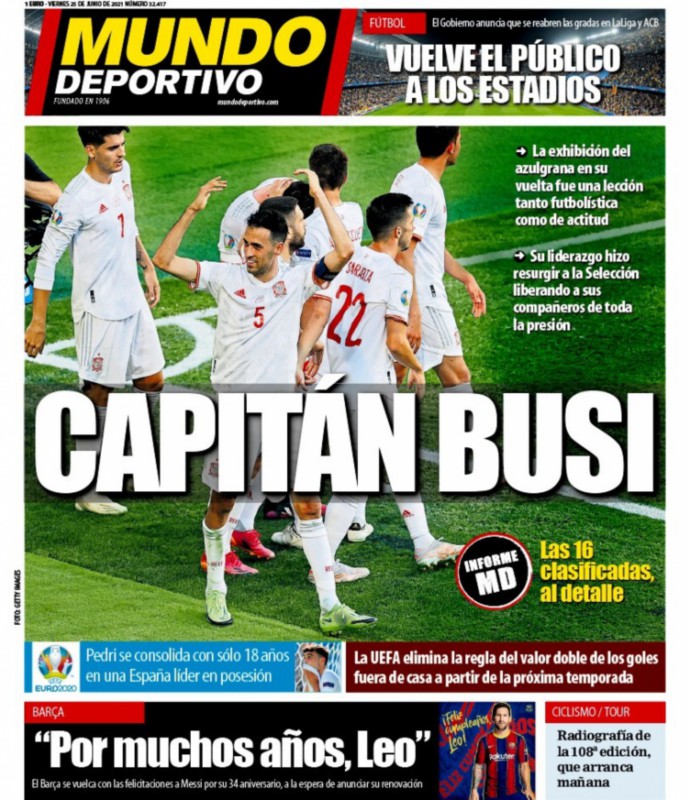
These two players helped the Spanish national team create history during 2008-2012, and their passing organization ability was a key factor in Spanish football’s success during that era. It’s worth noting that Xavi’s long pass success rate reached 78.3%, which is quite excellent data among midfield players.
Technical Heritage of the New Generation
Spanish football is now experiencing a transition between old and new generations, with young players like Pedri and Gavi taking over the responsibility of passing organization. Pedri’s passing data in the 21-22 season shows he completed an average of 68.5 passes per game with a success rate of 89.7%. Although the total number doesn’t match his predecessors, considering his age, this is already an excellent performance.
| Player Name | Avg Passes per Game | Pass Success Rate | Key Passes |
|---|
| Xavi | 85.2 | 91.4% | 2.1 |
| Iniesta | 76.8 | 89.8% | 2.8 |
| Pedri | 68.5 | 89.7% | 1.9 |
| Gavi | 62.3 | 87.2% | 1.4 |
Passing Characteristics by Different Positions
Spanish football’s passing system doesn’t rely solely on midfield players; the defensive line’s passing organization is equally important. Players like Ramos, although he has left Real Madrid, completed an average of 54.7 passes per game throughout his career with a long pass success rate of 72.1%, demonstrating the comprehensive ability of modern center-backs.
In the goalkeeper position, De Gea and Unai Simón also undertake important passing organization tasks. Particularly Unai Simón, whose footwork and distribution ability provide strong support for Spain’s high-pressing tactics, averaging 18.3 long passes per game.
Tactical Significance Behind the Data
These passing statistics from Spanish passing masters reflect not only individual technical levels but also embody Spanish football’s tactical philosophy. High pass success rates mean teams can better control game rhythm and reduce counter-attack threats from mistakes. Key pass data directly relates to a team’s offensive creativity.
From the data trends of passing without dropping, the new generation of Spanish players are maintaining traditional passing advantages while adapting to modern football’s faster pace. Although total passes may not be as impressive as their predecessors, the quality and timing of passes are continuously improving, laying a solid foundation for Spanish football’s future development.
