As a football enthusiast who has lived in Spain for many years, I have always held deep respect for the youth development system that produces Spanish young players. Today I want to share some observations and thoughts about the growth journey of Spanish football youth players.
The Golden Starting Point of Youth Academies
Spain’s football youth academies can be considered the benchmark of world football. La Masia, as Barcelona’s youth training base, has produced world-class stars like Messi, Iniesta, and Xavi. Meanwhile, Real Madrid’s Castilla youth academy has achieved equally impressive results, with legends like Raul and Casillas emerging from there. These academies focus not only on technical training but also emphasize the comprehensive development of players.
Perfect Combination of Technique and Tactics
The distinctive feature of Spanish football lies in its refined technique and precise passing control. Young players are immersed in this football philosophy from an early age. They learn not just individual skills, but more importantly, team coordination and tactical understanding. This training approach enables Spanish players to maintain composure and precision even when facing high-intensity matches.
| Age Group | Training Focus | Match Frequency |
|---|
| 8-12 years | Basic technique, interest cultivation | 1-2 matches per week |
| 13-16 years | Tactical understanding, physical training | 2-3 matches per week |
| 17-20 years | Professional training, mental qualities | 3-4 matches per week |
The Leap from Amateur to Professional
Many Spanish football youth players face crucial life decisions at ages 16-18. Some exceptionally talented players are spotted by first teams and begin their professional careers, while others need to gain experience through loans or transfers to lower-division leagues, as highlighted by Spanish young players. This process is not always smooth sailing and requires players to possess strong mental resilience and unwavering dedication.
Insights from Success Stories
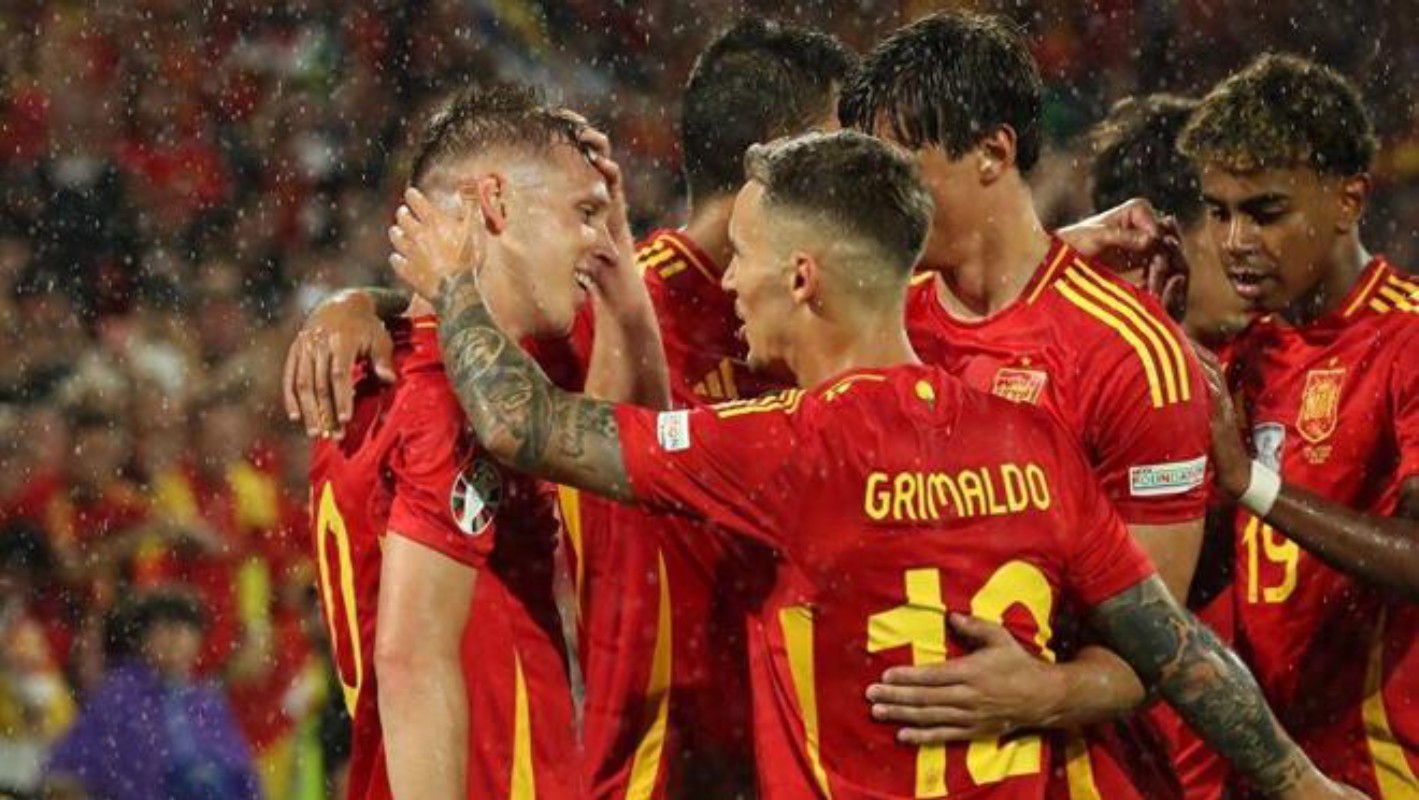
In recent years, young players like Pedri and Gavi have emerged in Barcelona’s first team, proving the success of Spain’s youth development system. Their growth trajectories show us that while talent is important, systematic training and proper guidance are equally indispensable. These players excel not only technically but also demonstrate maturity beyond their years in match reading ability and decision-making.
As a long-time forum user, I believe the successful experience of Spanish football youth development deserves our in-depth discussion. Whether as fans or parents, understanding these development pathways helps us better comprehend modern football’s evolution trends. What are your thoughts on Spain’s football education system? Feel free to share your perspectives in the comments!
