As a football fan who has lived in Madrid for five years, I have always been interested in the private relationships between Spanish players. Today I want to share some interesting phenomena I have observed.
Deep Friendships of the Golden Generation
When talking about Spain’s golden era of football, names like Ramos, Iniesta, Xavi, and Casillas always make hearts race. But what many people don’t know is that the relationships between these players off the field are actually more complex and interesting than imagined.
Although Ramos and Pique were fierce rivals at club level, they were the perfect partnership in the national team. I remember after the 2010 World Cup, they often appeared together in Madrid restaurants, completely without the antagonistic emotions of Barcelona and Real Madrid. This professional spirit is truly admirable.
Mentor-Student Relationships in Generational Transition
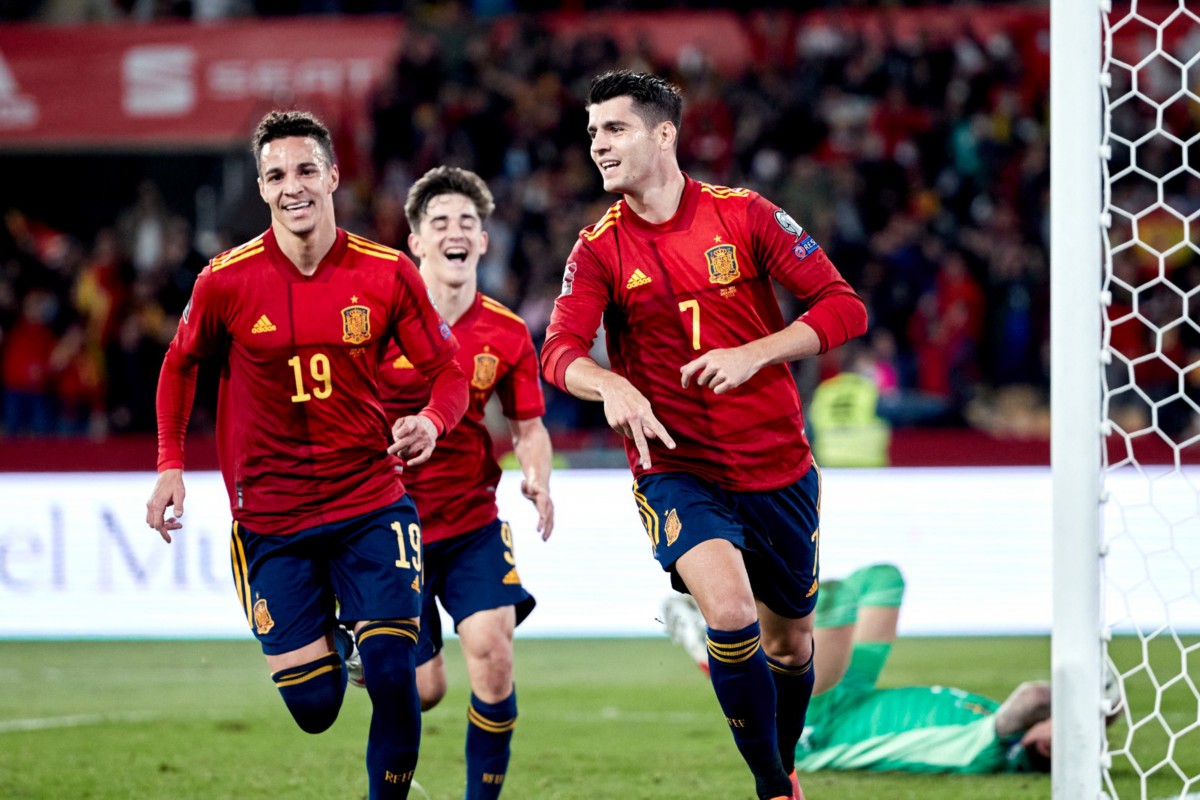
Spain’s current squad is experiencing a generational transition, and the relationships between young players like Pedri and Gavi with veterans Busquets and Alba are also worth attention. From what I understand, Busquets often provides individual guidance to these young players after training, not just on technical aspects, but more importantly on how to stay calm under high-pressure situations.
| Player Type | Representatives | Relationship Characteristics |
|---|
| Veterans | Busquets, Alba | Mentor role |
| Mid-generation | Morata, Koke | Bridge function |
| Rising stars | Pedri, Gavi | Humble learning |
Influence of Regional Factors
Interestingly, Spanish players’ relationship networks are largely influenced by regional factors. I used to think only Chinese people valued hometown connections, but Spanish people are the same. Players from Andalusia usually have closer relationships, like Ramos and Nacho, who are not only teammates but also often vacation together privately.
Players from the Basque region like Raul Garcia and Oyarzabal also have their own circles. This regional identity is particularly evident during national team training camps, where they naturally gather together to chat and dine.
New Changes in the Social Media Era
The popularity of Instagram and Twitter allows us to observe player relationships more directly. Young players are more willing to interact on social media, and Pedri and Gavi’s Instagram accounts frequently like and comment on each other’s posts, a kind of public friendship display that was relatively rare among older generation players.
However, this also brings some issues with Italian-Spanish player relationships. Sometimes even a simple like can be over-interpreted by the media. I remember last year when Morata didn’t like a teammate’s goal celebration photo, rumors of strained relationships spread, which was quite Spanish-Italian player relationships absurd.
