Recently, while watching Spain’s matches, I noticed several players with Brazilian heritage in the squad, which sparked my interest in this topic. As a long-time follower of Spanish football, I’d like to share my observations and thoughts on this phenomenon.
Historical Brazilian-born Spanish Players
Speaking of Brazil-born players in Spain’s national team, the most famous example is Diego Costa. The striker opted to play for Spain in 2013, despite having already appeared twice for Brazil in friendly matches. Costa’s choice stirred controversy at the time, but he undoubtedly contributed many goals to Spain’s side.
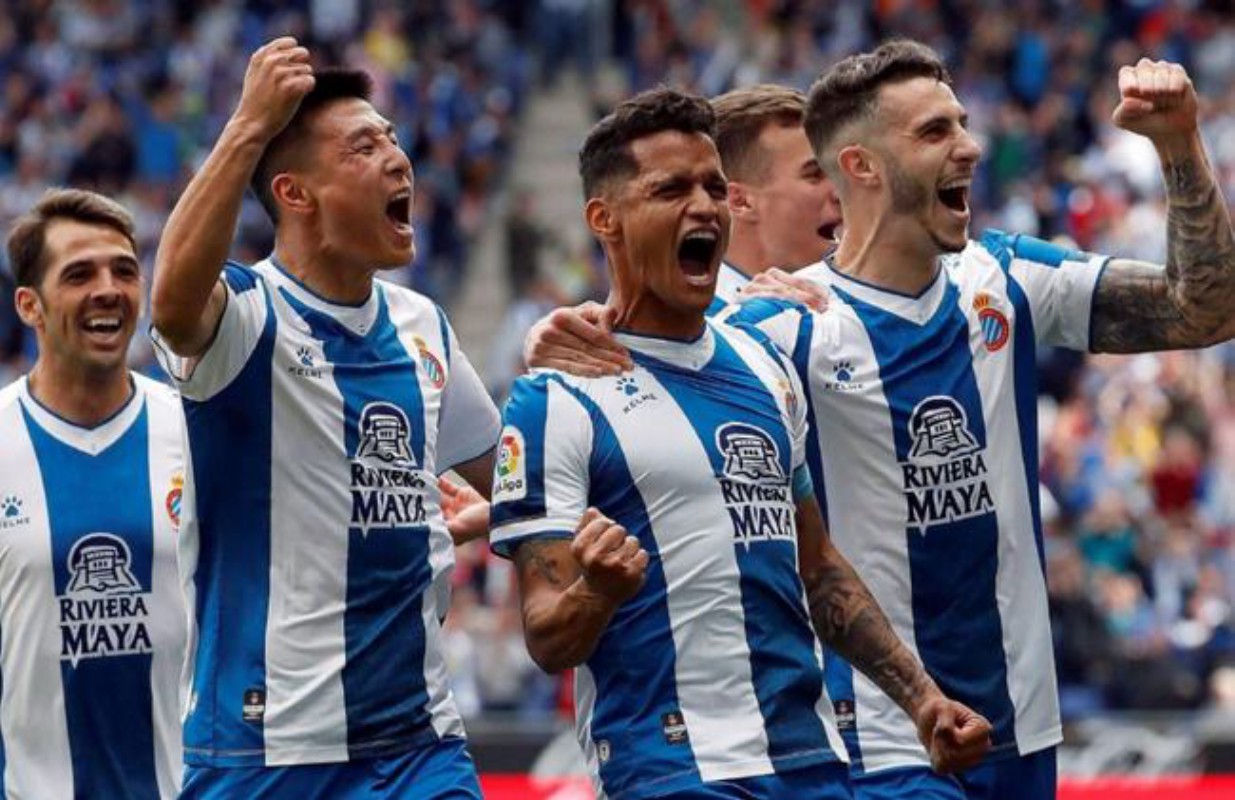
Besides Costa, there are players like Thiago Alcântara. Born in Italy, Thiago holds both Brazilian and Spanish citizenship and ultimately chose to represent Spain. The presence of such players enriches Spain’s tactical options.
Analysis of Current Players
At present, the Spanish national team still includes some athletes with Brazilian roots. It is worth noting that most of these players grew up in Spain and benefited from the Spanish football education system. Their understanding of Spanish football culture often surpasses that of purely Brazilian players.
| Player Type | Advantages | Challenges |
|---|
| Brazilian-born Spanish players | Skilled technique, strong adaptability | Complex identity recognition |
| Purely homegrown Spanish players | Strong cultural sense of belonging | Relatively uniform style |
This diverse composition gives Spain more tactical flexibility. The innate technical talent of Brazilian players combined with Spain’s possession-based philosophy can often produce surprising chemistry.
The Dilemma of Choosing National Allegiance
For players with dual nationality, deciding which country to represent is not simple. Beyond personal sentiments, career prospects, status within the team, and opportunities to participate in major tournaments—such as those discussed in Spain National Team Overaged Player Height—are all significant factors.
The Spanish team’s recent success has also attracted more attention from Brazilian-descended players. Compared to the fierce competition in Brazil’s squad, Spain’s system, like that described in Spanish Football Youth Training, may offer more playing time, which is a major lure for young talents.
Impact on Spanish Football
This phenomenon has had far-reaching effects on Spanish football. On one hand, it injects fresh energy and diverse philosophies into the team; on the other, it sparks conversations about national identity in sport. Some argue it dilutes the purity of Spanish football, but personally, I believe this diversity is an inevitable trend in modern football.
In the long run, the inclusion of Brazilian-descended players has enriched Spain’s tactical framework and provided young homegrown players with opportunities to learn different styles of football, as shown in Spain National Team Number 5 Player. This cultural integration will ultimately make Spanish football stronger and more diverse.
