As a dedicated fan of Spanish football, I would like to share the recently compiled Spanish League player statistics from [Spanish Player Data]. These figures not only help us better understand player performances, but also serve as an important reference for predicting match outcomes.
Top Player Performance Comparison
This season’s data reveals unique strengths among the key players of the major clubs. Vinícius of Real Madrid continues to be a formidable attacking threat, while Barcelona’s new signings are gradually integrating into the team’s system. It is worth noting that Atlético Madrid’s defensive stats remain the most consistent in the league.
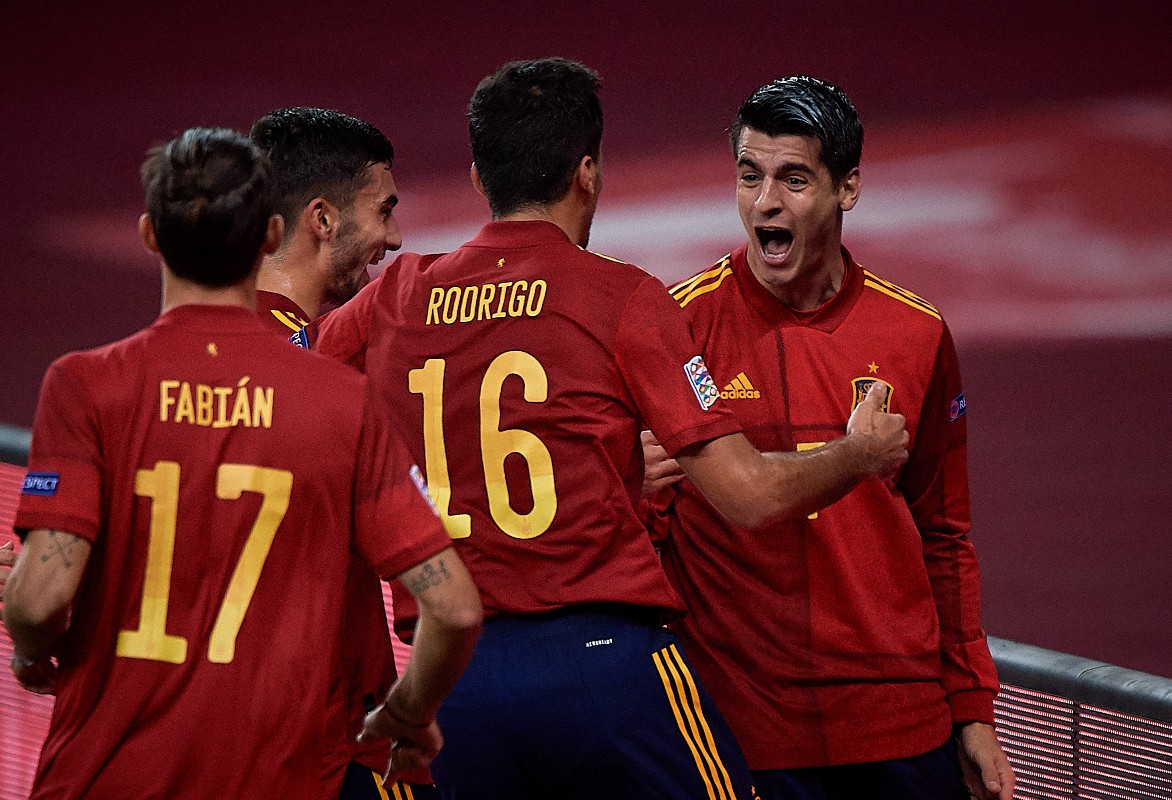
Let’s explore the performances of players in various positions through the detailed data from Spanish Player Data:
| Player Name | Club | Goals | Assists | Minutes Played |
|---|
| Vinícius | Real Madrid | 12 | 8 | 1580 minutes |
| Lewandowski | Barcelona | 15 | 4 | 1620 minutes |
| Griezmann | Atlético Madrid | 8 | 6 | 1450 minutes |
| Rakitić | Sevilla | 3 | 9 | 1380 minutes |
Midfield Creativity Analysis
Midfield statistics show an interesting trend. Traditional playmakers are evolving into more versatile roles, taking responsibility not only for orchestrating passes but also contributing to both defensive and offensive duties. Modrić of Real Madrid, despite his age, still leads in pass completion rate and key passes.
Barcelona’s new midfield combination has shown promising chemistry, particularly in possession control and passing accuracy. The previously feared lack of creativity in midfield now seems to be effectively resolved. Atlético’s midfield focuses more on practicality—while their stats may not be flashy, their performances in crucial moments tend to be more reliable.
In-depth Defensive Data Interpretation
Defensive data often reflects a team’s overall tactical discipline. Judging by tackle success rate, interceptions, and aerial duel win percentage, Atlético Madrid remains the most solid defensive team in the Spanish League. Their backline displays great resilience under high-pressure situations.
Real Madrid’s defense may not match Atlético’s in certain metrics, but they excel in counterattack transitions. Barcelona stands out in high pressing and possession battles, which aligns closely with their tactical style. Sevilla, as a traditional powerhouse with notable stability in defense, is well represented in Spanish Player Mortality Data, particularly performing strongly in home matches.
This data analysis reveals subtle changes in the competitive landscape of the Spanish League. Each team is adjusting its tactics according to its own strengths, making the league ever more exciting and unpredictable. Hopefully, these statistics help fans better understand and appreciate the charm of Spanish football.
