As a long-time fan of international football and an observer of [Japanese players’ performance in La Liga], I would like to share some thoughts and observations on players from the Japanese and Spanish national teams. These two teams have distinct differences in style and strength, making them worthy of deeper discussion.
Technical Style Comparison
The Spanish national team has long been renowned for its technical, possession-based football philosophy. From Xavi and Iniesta to today’s Pedri and Gavi, Spanish players generally possess excellent ball control and passing vision. In comparison, although Japan also boasts good technique, they focus more on speed and teamwork. The individual skills of their players may not be as [Spanish players in Japan] dazzling as those of Spain, but their execution is very strong.
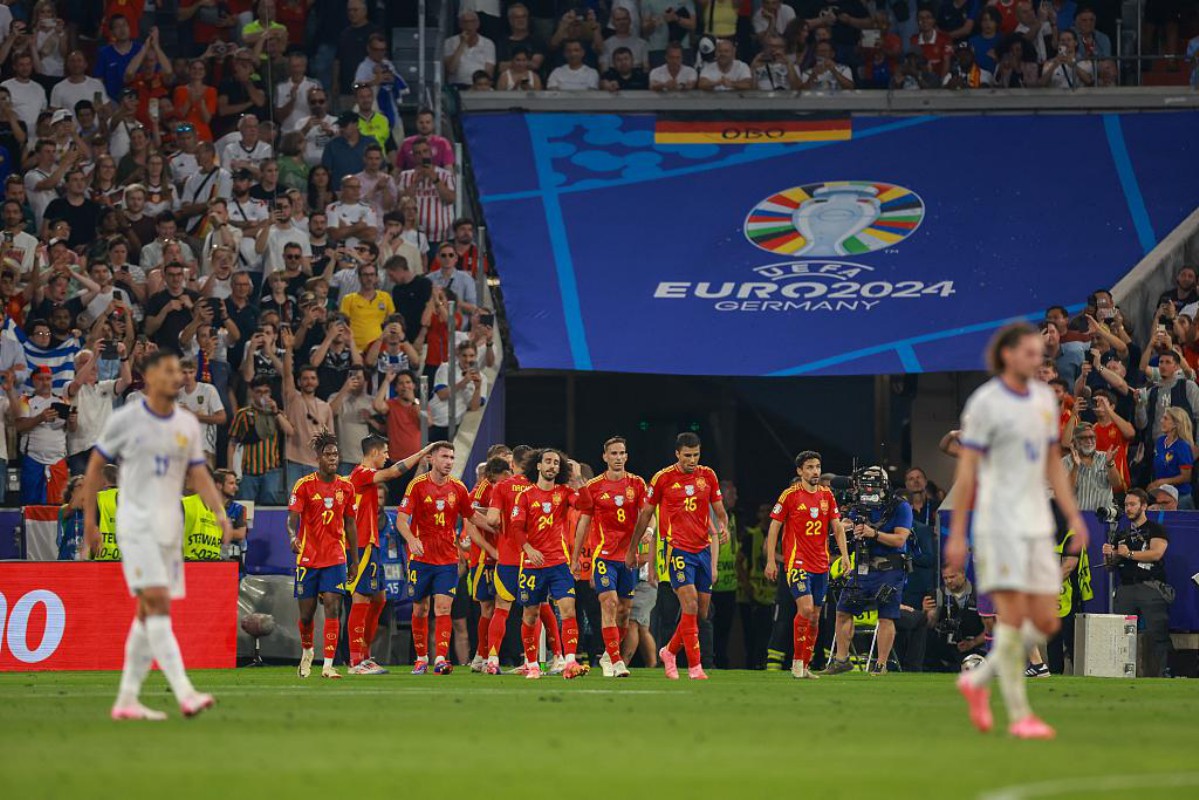
Japanese players are increasingly impressive in European leagues. Take Takefusa Kubo’s performance at Real Sociedad as a strong example. However, overall, Spanish players are more widely represented in top leagues, and the quality remains higher. This may be related to the history of football development and youth training systems in both countries.
Positional Characteristics Analysis
| Position | Spain’s Traits | Japan’s Traits |
|---|
| Goalkeeper | Comprehensive skills, decisive off the line | Quick reflexes, highly stable |
| Defender | Accurate passing, involved in attack | Fast, proactive in defense |
| Midfielder | Strong ball control, highly creative | Active running, strong execution |
| Forward | Delicate technique, great coordination | Speed advantage, strong poaching ability |
From this comparison, Spain leans more towards technical play, while Japan focuses on physical qualities and tactical execution. Each style has its own strengths, and the results can vary depending on the match environment.
Performance in Major International Tournaments
Spain reached its peak during their treble-winning era with the 2010 World Cup and the 2008 and 2012 European Championships, with a squad that was almost perfect. Although there have been ups and downs in recent years, their foundation remains deep. Japan has been consistently strong in Asia and often causes trouble for stronger teams at the World Cup. Their victory over Spain at the 2022 Qatar World Cup was the best example.
Spain still leads in terms of individual skill and overall strength, but Japan’s rate of improvement is rapid, and the gap might Japanese players training in Spain decrease further in the future. Matches between the two are always exciting, and we look forward to them delivering more great encounters in the years to come.
