David Villa: A Symbol of Spain’s Golden Generation in Football
As a long-time follower of Spanish football, I have always believed that David Villa is one of the most underrated players in the country’s football history. The forward from Asturias used his goals and technique to define what it means to be a true team player.
Challenges in His Early Career
Villa’s professional journey began at Sporting Gijón, but it was during his years at Zaragoza that he truly came into the spotlight. In 2003, he transferred to Valencia and quickly became a key player. Over his five seasons with Valencia, Villa scored 107 goals — a number that speaks volumes about his quality.
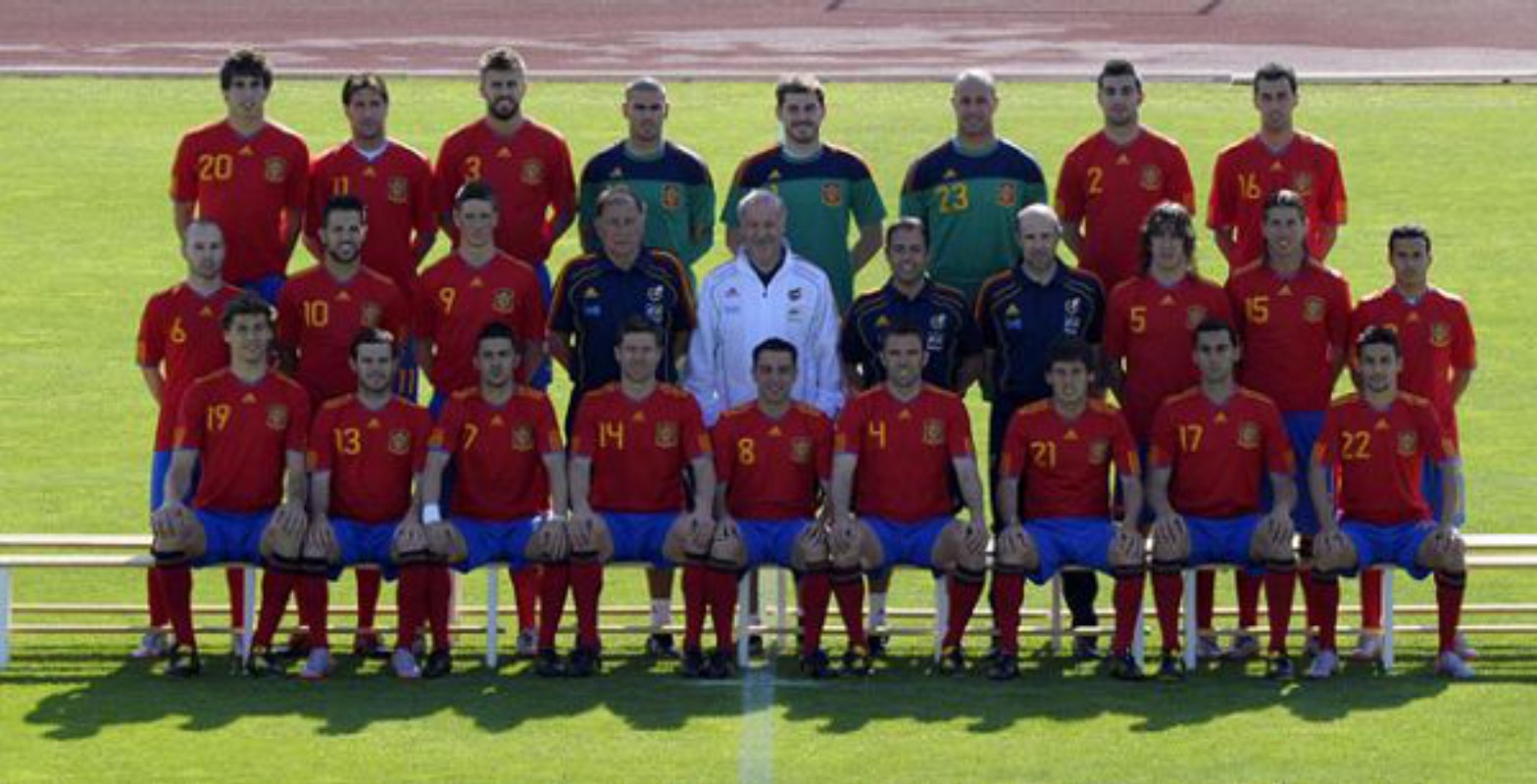
At that time, Villa was fast, technically gifted, and most importantly, possessed a big heart. I remember the 2004 Euro Cup: although Spain ultimately fell in a penalty shootout, his performance showed a glimpse of hope. He was not the type of striker who relied solely on physicality, but rather a smart player who played with his mind.
Peak Years at Barcelona
| Season | Goals | Assists | Major Honors |
|---|
| 2010-11 | 23 | 7 | Champions League Winner |
| 2011-12 | 30 | 12 | Copa del Rey Winner |
| 2012-13 | 20 | 8 | La Liga Winner |
In the summer of 2010, Villa joined Barcelona for €40 million, a move that sparked debate at the time. Many questioned whether he could adapt to Barça’s possession-based game, as he had mostly played the role of an finisher at Valencia.
However, Villa’s football intelligence proved far beyond expectations. He quickly integrated into Guardiola’s tactical system, forming perfect chemistry with Messi, Iniesta, and others. In the 2010-11 Champions League final, Villa’s performance was near perfect: although he did not score, his movement and passing laid the foundation for the team’s victory.
Brilliance with the National Team
59 goals — this is the record of David Villa Spain player for the Spanish national team. From his first call-up in 2005 to his official retirement in 2017, Villa witnessed and contributed to Spain’s most glorious football era.
In the Euro 2008, Villa claimed the Golden Boot with 4 goals, helping Spain win a major tournament for the first time in 44 years. In the 2010 World Cup, although his goal tally was less striking than in Euro 2008, his crucial strikes were decisive for Spain’s triumph. His goal against Paraguay had a high technical quality, perfectly showcasing his skills as a top-tier striker.
Choices in the Closing Stages of His Career
In 2014, at 32 years old, Villa made a surprising move — signing with New York City FC in Major League Soccer. Many could not understand this decision, thinking that he still had the ability to shine in Europe’s top leagues.
I believe this demonstrated Villa’s wisdom. He knew exactly what he wanted and understood his physical condition. During his four years with New York City, he maintained solid form while also contributing to the growth of American soccer. This pursuit beyond simple utilitarian goals embodies Villa’s personal charisma.
Looking back over his entire career, Villa may not have been the most naturally talented player, but he was certainly one of the smartest and most professional. He defined what it means to be the ideal professional player, which is why even today so many Villarreal player fans still cherish his memory.
