Recently, while reviewing match data from the European Championship and the World Cup, I noticed an interesting phenomenon: players from Italy and Spain, two traditional football powerhouses, show a clear difference in yellow card counts. As a fan who has long followed European football, and especially Spanish yellow card players, I believe this topic is worth deeper discussion.
Data Comparison and Analysis
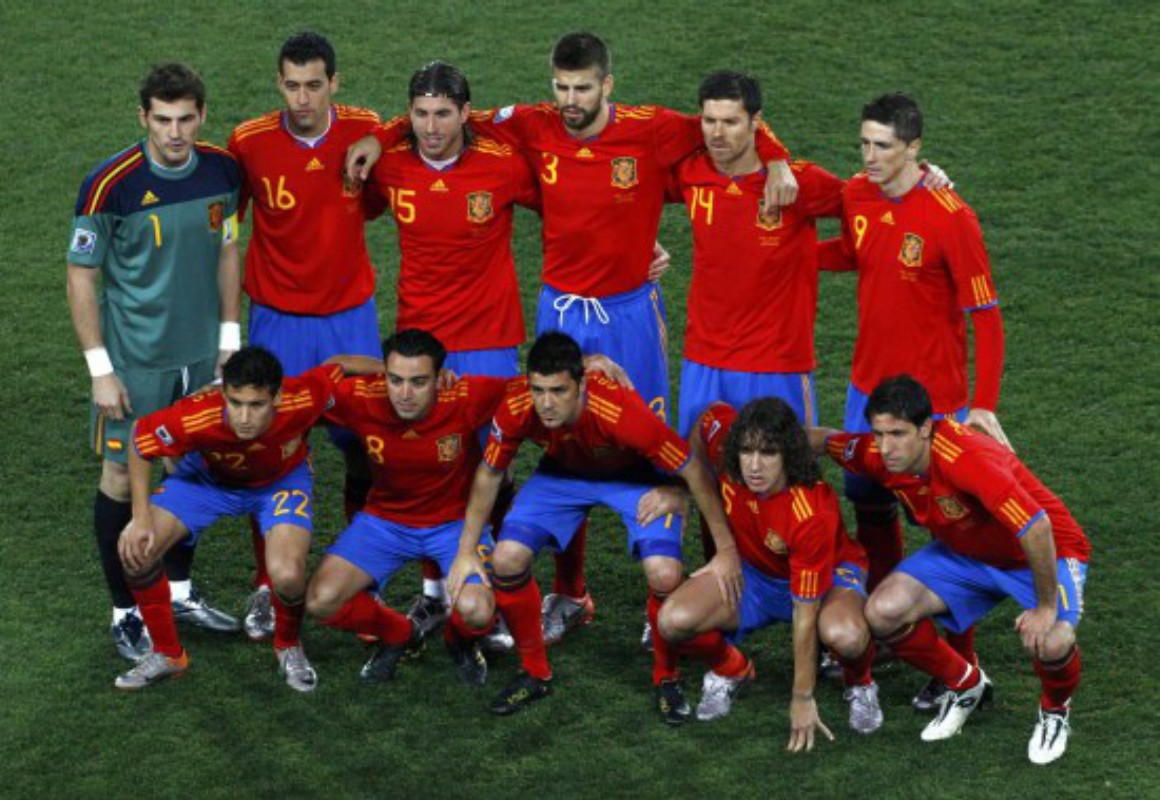
Looking at the past five years of international match data, the differences are clear. Italian players’ yellow cards are mainly due to defensive actions, while [Spanish players yellow cards] are more often the result of tactical fouls and protesting the referee.
| Match Type | Italy Avg. Yellow Cards | Spain Avg. Yellow Cards |
|---|
| European Championship | 2.3/Match | 1.8/Match |
| World Cup | 2.1/Match | 1.9/Match |
| Friendly | 1.6/Match | 1.4/Match |
Impact of Tactical Style
Italian football has long been known for strong defense, and this tactical mindset directly influences players’ behavior on the field. Italian defenders often choose tactical fouls to stop opponents’ fast breaks, which explains why their yellow card numbers are relatively high. In contrast, Spain’s possession-based football emphasizes ball control and passing, reducing unnecessary physical clashes.
Some say Italian players are more aggressive, but I think this is simply a tactical necessity. Defenders like Chiellini and Bonucci calculate every foul—willing to take a yellow card if it means disrupting the opponent’s attacking rhythm.
Differences in Refereeing Standards
Different league refereeing standards can also shape player adaptability. Serie A tends to allow more physical contact, which sometimes results in Italian players picking up cards in international games for actions deemed too forceful. La Liga refereeing is comparatively stricter, making Spanish players more accustomed to the scale used in international matches.
In recent years, with the spread of VAR technology, both countries have seen a drop in yellow cards. Yet, the relative difference persists, indicating that football culture and tactical traditions have a deep influence on player behavior—an influence not easily erased by changes in technology.
