As a football fan who has lived in Spain for many years, I often ponder one question: what exactly makes Spanish players different from Swedish players? The recent performances in the European Championship have deepened my thoughts on this topic.
Fundamental Differences in Playing Style
Spanish players grow up immersed in the tiki-taka tactical philosophy, emphasizing short passing combinations and ball control skills. Their close control is generally refined, with high passing accuracy, and they excel at executing technical moves in tight spaces. In contrast, Swedish players focus more on physical duels and a direct attacking approach, with long passes and heading ability often being their strengths.
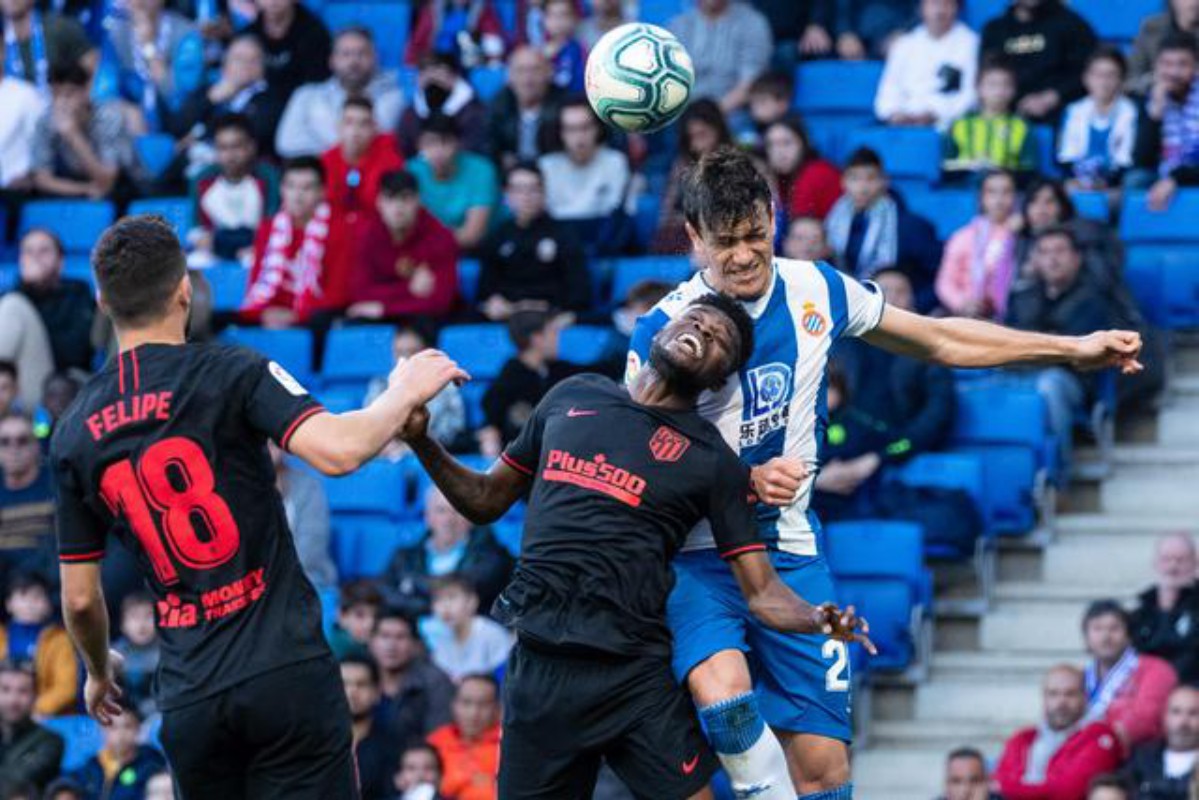
From the perspective of youth development, the training philosophies of the two countries are completely different. Spain’s La Masia academy has produced countless technically gifted players, while Sweden focuses more on developing well-rounded modern players. This difference directly influences the career paths of players from both nations.
Physical Attributes and Tactical Adaptability
| Feature | Spanish Players | Swedish Players |
|---|
| Average Height | 175-180cm | 180-185cm |
| Technical Traits | Superb close control | Strong physical duels |
| Tactical Preference | Possession-based passing | Direct counter-attacks |
| Suitable Leagues | La Liga, Serie A | Premier League, Bundesliga |
Swedish players indeed enjoy certain physical advantages, which make it easier for them to establish themselves in high-intensity leagues like the Premier League. Zlatan Ibrahimović is the best example—his combination of height and technical skill is perfectly balanced. While Spanish players may be smaller in stature, their technical edge allows them to thrive in more skill-oriented leagues.
Analysis of Career Development Paths
Looking at transfer market trends, Spanish players tend to attract top club attention early in their careers. Giants like Real Madrid and Barcelona give Spain vs Sweden players an excellent platform. In contrast, Swedish players often need to prove themselves through outstanding performances at mid-tier clubs, such as in the case discussed in Spanish and Swedish players. This does not mean they lack ability, but rather that the Swedish domestic league receives relatively less attention.
It is worth noting that in recent years, Swedish football has been undergoing a technical revolution. More and more young Swedish players are focusing on technical training, which allows them to maintain their physical edge while also improving their close control.
Future Development Trends
Modern football increasingly values versatility, and players who are solely technical or purely physical find it difficult to remain at the top level for long. Spanish players need to strengthen their physical dueling ability, while Swedish players must continue improving their technical skills. From this perspective, both groups are evolving toward a more balanced profile, which is a positive sign for the overall development of European football.
