Complete Compilation of Spain National Team Player Rosters Over the Years
As a long-time fan of Spanish football and follower of the Spain Men’s Team Historical Rosters, I have compiled the complete list of Spain’s Number 7 Players from the 2010 South Africa World Cup to the present for the Spain national team. This resource is valuable for understanding the evolution of Spanish football and the changing of players over the years.
The Glorious Era of the Golden Generation
The 2010 South Africa World Cup championship squad is regarded as the strongest lineup in Spain’s football history. Core players at that time included legendary figures such as Casillas, Xavi, Iniesta, and Villa. During this period, Spain became world-famous for its tiki-taka tactical style, often controlling possession over 70%. The victorious defense of the European Championship in 2012 propelled this team to its historic peak.
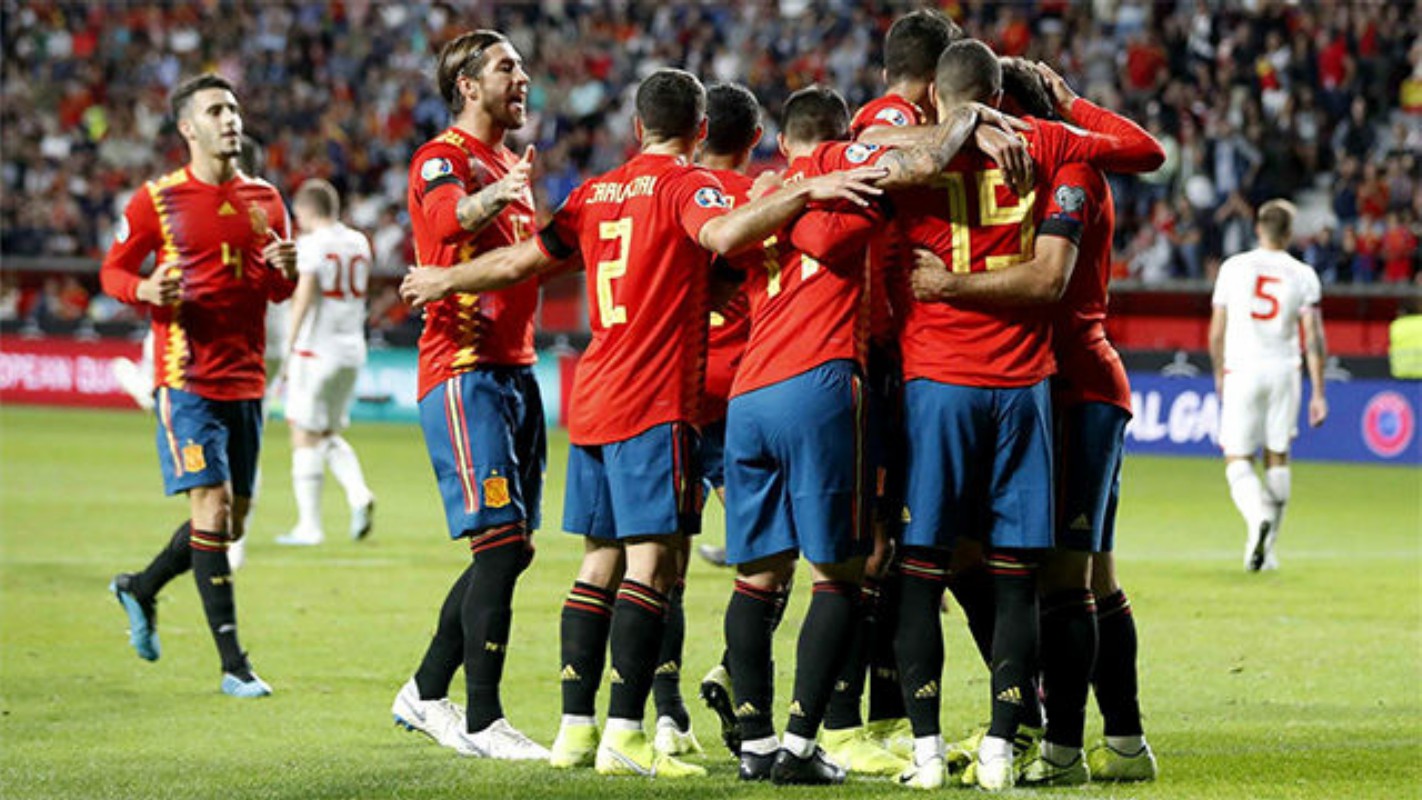
Transition Between Generations
The group-stage elimination at the 2014 Brazil World Cup marked the end of the golden generation. De Gea began to take over from Casillas, while the midfield gradually saw younger players like Koke and Thiago assuming key roles. Although Spain’s performances fluctuated during this period, they still upheld the tradition of technical football. It is worth noting that rising stars such as Asensio and Saúl emerged at this stage.
Comparison of Player Statistics in Major Tournaments
| Tournament Year | Goalkeepers | Defenders | Midfielders | Forwards |
|---|
| 2010 World Cup | 3 | 8 | 8 | 4 |
| 2012 Euro | 3 | 8 | 8 | 4 |
| 2018 World Cup | 3 | 8 | 8 | 4 |
| 2021 Euro | 3 | 9 | 8 | 6 |
The Modern Face of Spain’s Squad
Under Luis Enrique, a fresh tactical philosophy emerged with greater emphasis on high pressing and quick counter-attacks. The rise of superstars Pedri and Gavi revealed the future of Spanish football. Although Spain was stopped at the semi-finals in the 2021 European Championship, their technical and tactical level left a strong impression. The current squad maintains traditional possession-based strengths while incorporating more diversity and creativity.
Future Outlook and Conclusion
Looking across the past 15 years of changes in Spain’s national team roster, it is clear that Spanish football has never ceased innovating in technical and tactical aspects. The new generation, while inheriting traditions, is injecting fresh energy into the Spanish game. It is highly likely that in the near future we will continue to see more outstanding Spanish players shining on the international stage.
