As a football enthusiast who has lived in Spain for many years, I would like to share some observations and experiences about the technical training of Spanish players. The remarkable achievements of Spanish football on the world stage are largely attributed to its unique and systematic technical training methods.
The Importance of Basic Technical Training
In Spain’s youth development system, basic technical training is given a highly important role. From the age of six, young players undergo strict training in fundamental skills such as passing, ball control, and shooting. This training is not simply repetitive drills but is conducted in a gamified environment, allowing children to grasp key techniques while enjoying themselves.
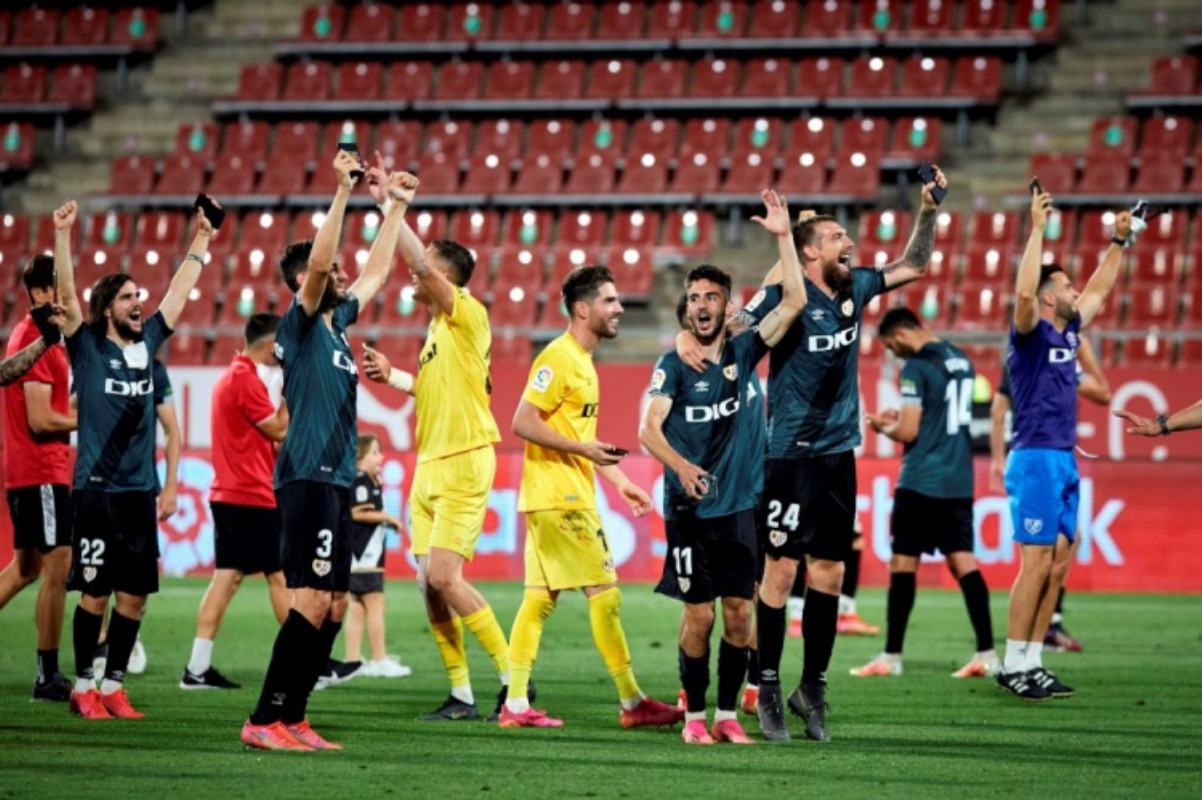
Coaches pay special attention to improving the touch frequency, requiring players within limited time to make as many contacts with the ball as possible, as explained in Spanish Players’ Technical Features. This high-frequency touch training rapidly enhances players’ feel for the ball and technical proficiency. They also set up various technical challenges, such as ball control exercises in tight spaces—these form the foundation of Spain’s technical style of football.
Application of Techniques in Real Matches
Spanish players’ technical training is not limited to basic exercises; more importantly, it focuses on how to apply these techniques in competitive play. Here is a comparison of some common training methods:
| Training Item | Traditional Method | Spanish Method |
|---|
| Passing drills | Static passing | Passing under dynamic pressure |
| Ball control drills | Solo juggling | Group possession under opposition |
| Shooting drills | Fixed position shots | Quick shots from multiple angles |
In actual training, coaches create various match scenarios, enabling players to execute technical moves under pressure. This approach better simulates real-game conditions, allowing players to calmly showcase their skills when facing opponents.
Positional awareness training is also a distinctive feature of Spanish training. Players must not only master individual techniques but also learn how to contribute from different positions. Whether midfielders or defenders, they are expected to excel in passing and ball control—explaining why Spanish players consistently display outstanding technical ability on the pitch.
Combining Psychological Resilience with Technical Skills
Technical training is not merely physical practice; developing mental resilience is equally important. Spain’s training system places great emphasis on cultivating players’ stress resistance and decision-making abilities. In high-intensity sessions, players must make correct technical choices in a short time, a method that effectively boosts match performance.
Through years of observation and practice, I have found that the success of Spanish players’ technical training lies in its systematic approach and practical applicability. From basic skills to match application, from individual abilities to team cooperation—every aspect is meticulously designed. This training approach is valuable not only for professional players but also for amateurs, as illustrated in [Spanish Players’ Technical Characteristics]. I hope these insights will be helpful in your football training.
