As a long-time follower of Spanish football, I would like to share some observations and reflections on the performance of Spanish teams in Europa League away matches. In recent seasons, their away displays in European competitions have truly warranted in-depth analysis.
Challenges and Opportunities in Away Games
Spanish teams are known for their technical style, but in Europa League away fixtures, they face challenges entirely different from their domestic league. Factors such as climatic conditions, pitch quality, and the pressure from home fans can all affect players’ performances. However, it is precisely these challenges—highlighted during Europa League preparations—that have forged a greater adaptability in Spanish teams on the European stage.
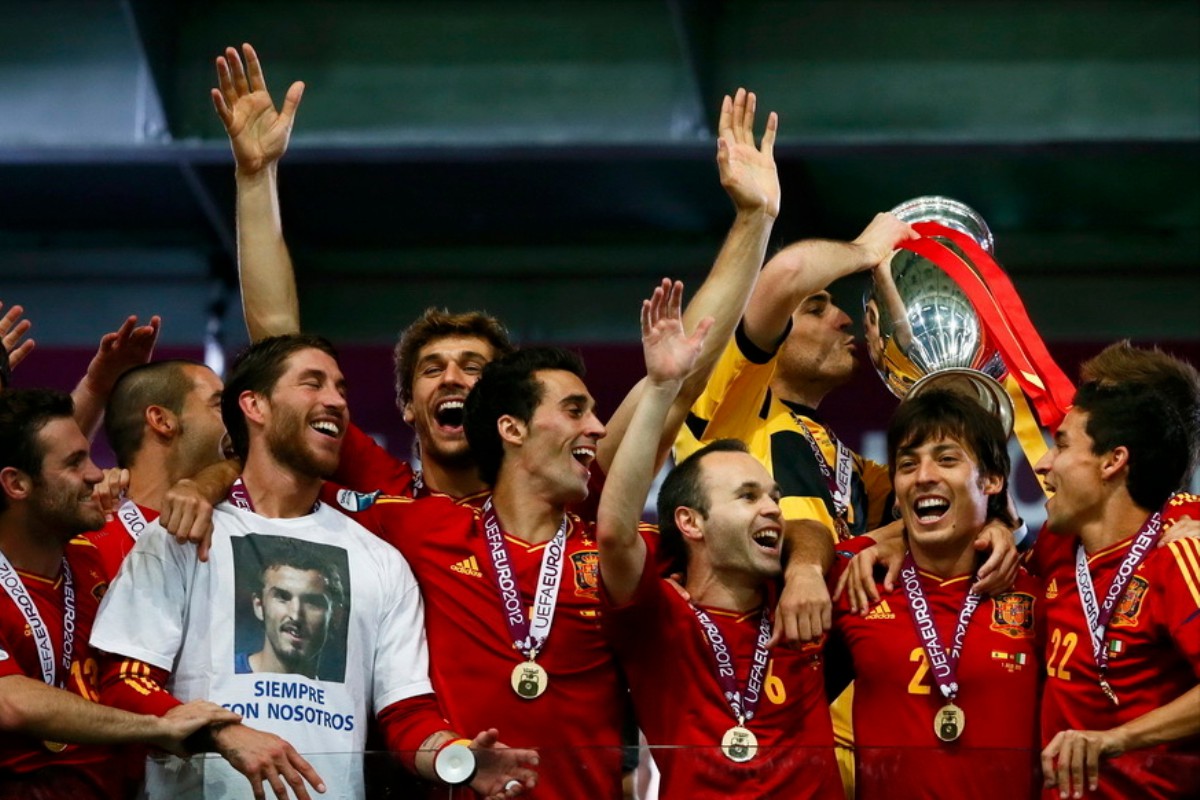
From a tactical perspective, Spanish sides often adopt a more cautious and steady approach away from home. Compared to home matches, coaches tend to first secure defensive solidity and then look for counter-attacking opportunities. This tactical shift is particularly evident against Northern or Eastern European teams.
Rotation Strategy for Key Players
In Europa League away matches, Spanish teams apply specific player rotation strategies. Given the congested fixture schedule, coaching staff usually give more chances to substitute players in away games. This approach was once seen as underestimating the match, but today it’s regarded as a very wise decision.
| Team Type | Key Player Appearance Rate | Rotation Frequency |
|---|
| Elite clubs | 65% | High |
| Mid-table clubs | 85% | Medium |
| Relegation zone | 95% | Low |
Young players gain valuable European experience in these away matches, which is crucial for their development. Rising stars like Ansu Fati and Pedri have matured progressively during Europa League away games.
Analysis of Tactical and Technical Features
Spanish teams’ away tactics usually revolve around possession and short passing combinations, and they rarely abandon their technical strengths even on foreign turf. Compared to home fixtures, they tend to rely more—especially in Europa League preparations—on wing breakthroughs and set-piece opportunities. This tactical flexibility is part of the allure of Spanish football.
The away performances of Spanish teams in the Europa League highlight their profound football heritage and tactical acumen. Although playing away presents numerous challenges, these very hurdles help Spanish football maintain competitiveness on the European stage. As fans, we should focus more on these details to better understand and appreciate the beauty of the sport.
