As a football enthusiast who has lived in Spain for many years, I have always been fascinated by the traits of players from these two football powerhouses. In my recent research on substitute red cards, I compiled some data on Spanish red carded players and would like to share a few observations about red card situations in both nations.
Analysis of Spanish Red Carded Players
Spanish players’ red cards are often linked to technical fouls. Since Spanish football values skill and ball possession, in matches with intense physical challenges, technical players are more likely to commit tactical fouls leading to dismissals. Ramos serves as a prime example—most of his red cards stem from tactical fouls made at critical moments, a type of “smart” foul intended to stop the opponent’s fast break.
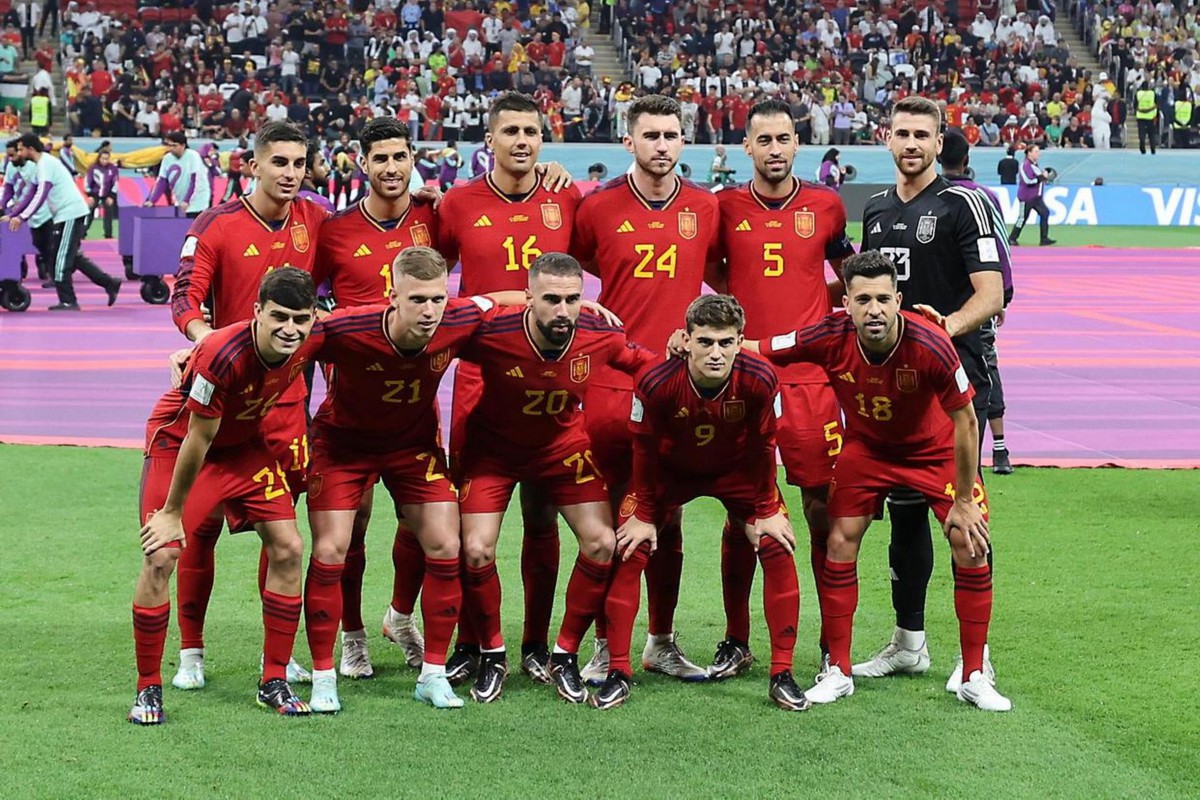
Statistics show that red cards among Spanish players are fairly evenly distributed between defenders and midfielders, reflecting a system where all positions bear certain defensive responsibilities.
Analysis of German Red Carded Players
The German red card profile is different. German football emphasizes discipline and team coordination, resulting in fewer red cards overall. When German players are sent off, it is often due to emotional loss of control or excessive excitement in decisive matches. German red cards tend to be more dramatic, especially in major tournaments like the World Cup.
| Country | Average Red Cards/Season | Primary Cause |
|---|
| Spain | 2.3 | Tactical fouls |
| Germany | 1.8 | Emotional outburst |
Germany’s youth training system instills discipline from a young age, enabling players to better manage their emotions on the field. However, when a lapse in control does occur, it can lead to more extreme actions.
Cultural Differences in Football
The variance in red card tendencies reflects deeper cultural differences in football. Spanish football prizes individual skill and creativity, encouraging players to express themselves on the pitch, which can sometimes spark more clashes. German football focuses on collective interest and tactical execution, requiring personal feelings to be subordinated to team goals.
It is worth noting that in recent years, modern football developments have influenced both nations’ tendencies. The introduction of VAR means fouls once unnoticed are now strictly sanctioned, posing fresh challenges for players from both countries.
The characteristics of red carded players in Spain and Germany showcase two distinct football philosophies. As fans, we can use these insights to better understand and appreciate the unique charm of both styles. Which approach do you think suits modern football’s evolution best?
