Unique Appeal of the Spain National Team Squad
As Spain player outfits from a traditional European football powerhouse, the Spain national team squad has consistently drawn public attention. From their golden era at the 2008 European Championship and the 2010 FIFA World Cup to the emergence of a new generation today, La Roja’s roster reflects a distinctive technical style.
The Heritage and Innovation of Technical Midfielders
The most striking feature of Spain’s squad is the abundance of highly skilled midfield players. From the golden generation of Xavi and Iniesta to rising stars like Pedri and Gavi, the DNA of possession football remains integral. These players typically possess superb ball control, passing vision, and match-reading abilities.
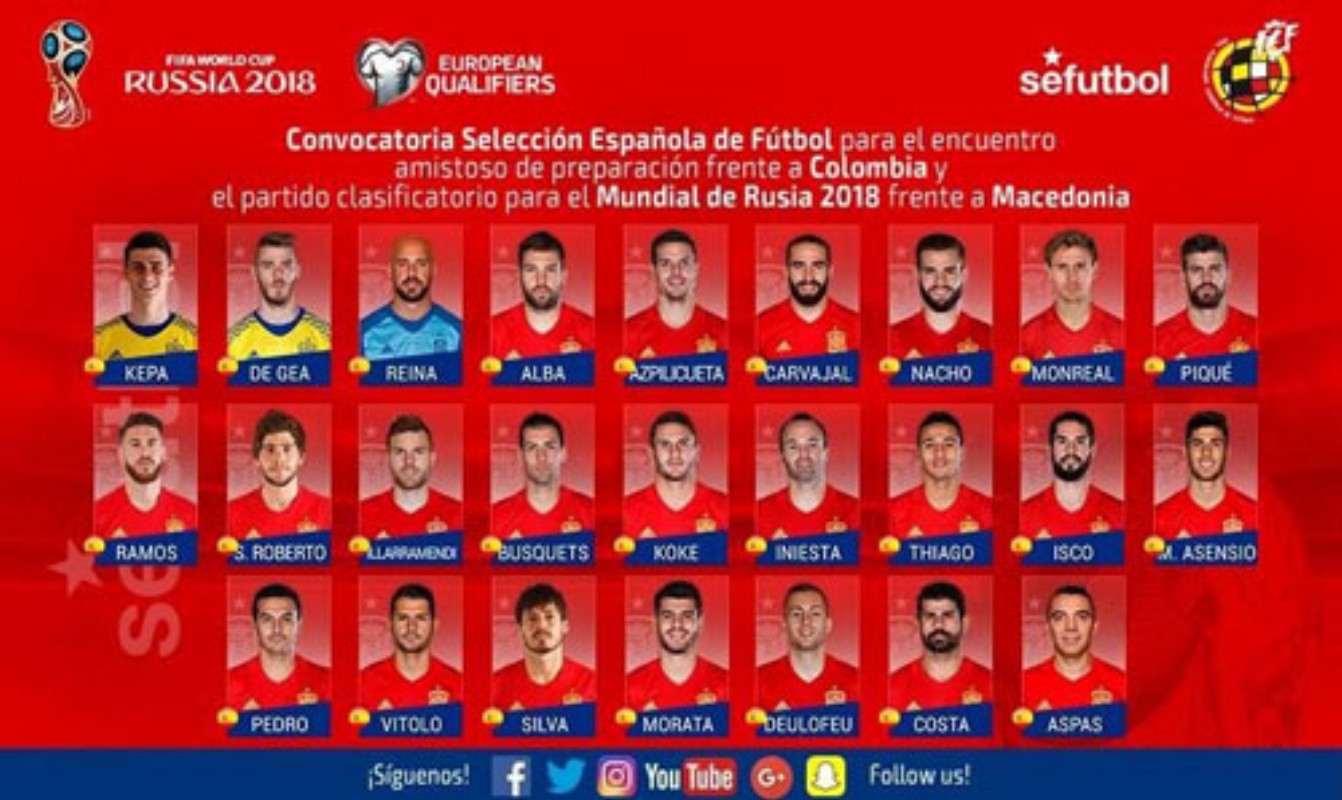
Spain’s coaching staff prioritizes technical attributes over physical stature when selecting players. This technique-first philosophy allows many players with modest height but refined skills to shine, embodying the core of Spain’s football identity.
Positional Distribution and Tactical Adaptability
| Position | Main Traits | Key Players |
|---|
| Goalkeeper | Excellent footwork, involved in build-up play | Unai Simón |
| Defender | Technically versatile, able to pass and make runs | Cucurella |
| Midfielder | Possession-oriented core, highly creative | Pedri, Gavi |
| Forward | Agile and versatile, with refined technique | Olmo, Morata |
The modern Spain squad is configured for greater tactical flexibility. Starting during Luis Enrique’s tenure, the team has moved away from an over-reliance on possession-based play; pure Tiki-taka is no longer the sole approach. The new generation retains technical prowess while adding pace and directness.
The Profound Impact of Youth Development
Another hallmark of Spain’s squad is the dominance of academy-developed players. Barcelona’s La Masia, Real Madrid’s Castilla, and Athletic Bilbao’s academy consistently supply talent to the national team. These players grow up absorbing similar football philosophies, enabling the national squad to quickly develop chemistry.
Unified technical style and tactical philosophy mean that Spain maintains a steady match identity despite personnel changes. This continuity is an enviable yet hard-to-replicate advantage for other national teams.
Balancing Generations in Transition
The current Spain team is in a crucial generational transition. Veteran leaders like Sergio Busquets have retired from international duty, while youngsters such as Pedri, Gavi, and Ferran Torres are taking on more responsibility. This balance demands careful selection by the coaching staff — ensuring competitive strength while giving younger players room to grow, as highlighted in Spain midfield traits.
Overall, the Spain national team squad reflects the deep cultural roots of the country’s football. Its tradition of technical play, well-structured youth development, and unified tactical ideals together shape the unique “Spanish style.” With the maturation of the new generation, La Roja may well relive its glory on the world stage.
