As a long-time follower of Serie A, I’d like to share some thoughts on Roma Football Club’s relationship with Spanish players. This topic has been buzzing in forums lately, so it’s a good opportunity to organize my views.
Historical Review and Current Situation
Roma’s transfer strategy has always been quite pragmatic, and its approach to selecting Spanish players reflects this. From early loan signings to recent permanent deals, we can see the club’s growing attention to Iberian football talent. Especially during Mourinho’s tenure, this trend became even more evident.
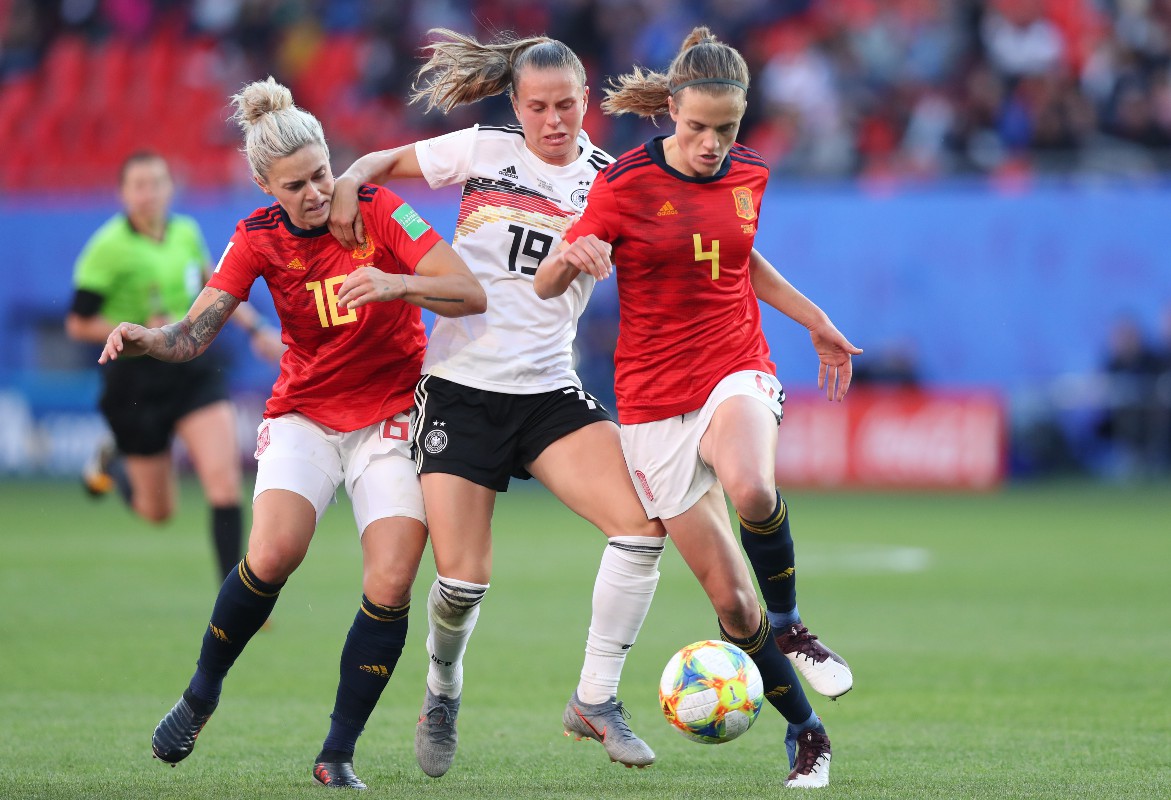
Spanish players generally possess strong technical skills and tactical awareness, which align well with Roma’s football philosophy. From ball control to passing precision, and game reading ability, these traits make Spanish players thrive in Serie A, a league that emphasizes tactical discipline.
Adaptability Analysis
| Player Traits | Serie A Requirements | Compatibility |
|---|
| Fine technique | High | Excellent |
| Tactical execution | Very high | Good |
| Physical duels | Medium | Average |
| Match experience | High | Excellent |
From this comparison table, it’s clear that Spanish players are highly suited to Serie A’s technical and tactical demands. However, in terms of physical duels, some players do require an adjustment period. This explains why certain Spanish players performed modestly in their first Roma season but then went on to shine.
Successful Case Studies
When talking about success stories, I must mention several players who left a strong impression on me. They showed not only outstanding individual skills on the pitch but also integrated seamlessly into the team’s tactical system. Of course, there were also some disappointments, but this is normal in the football transfer market.
These successful Spanish players share a common trait: they manage to preserve their technical style while quickly understanding and executing the coach’s tactical instructions. Such adaptability is vital to securing a place in the highly competitive Serie A.
Future Outlook
Looking ahead, I believe Roma will continue to monitor the Spanish football market. With the increasing influence of Latin American players in European football, Spanish players with similar cultural backgrounds can often help South American teammates adapt to the European game. This has a positive effect on locker room atmosphere and overall team cohesion.
Any recruitment must consider cost-effectiveness and actual needs. As a club that needs to balance sporting success with financial stability, Roma must be even more careful and precise when selecting Spanish players. I hope to see more Roma winger players of great quality and Spanish origin shining at the Stadio Olimpico.
