As a Spain players age football enthusiast who has lived in Spain for many years, I would like to talk about the changes in the forward line of the Spain national team. In recent years, Spain’s attacking system has indeed undergone some interesting transformations.
The Advocate of the Traditional Striker
Morata is undoubtedly a representative figure in Spain’s forward line in recent years. This 1.89m striker impresses with his refined technique. His performance at Atlético Madrid has proven his strength, especially during the European Championship. Morata’s heading ability and goal-scoring instincts make him an indispensable part of Spain’s attack. Although he sometimes misses opportunities, his movement and link-up play create plenty of space for his teammates.
The New Generation of Technicians
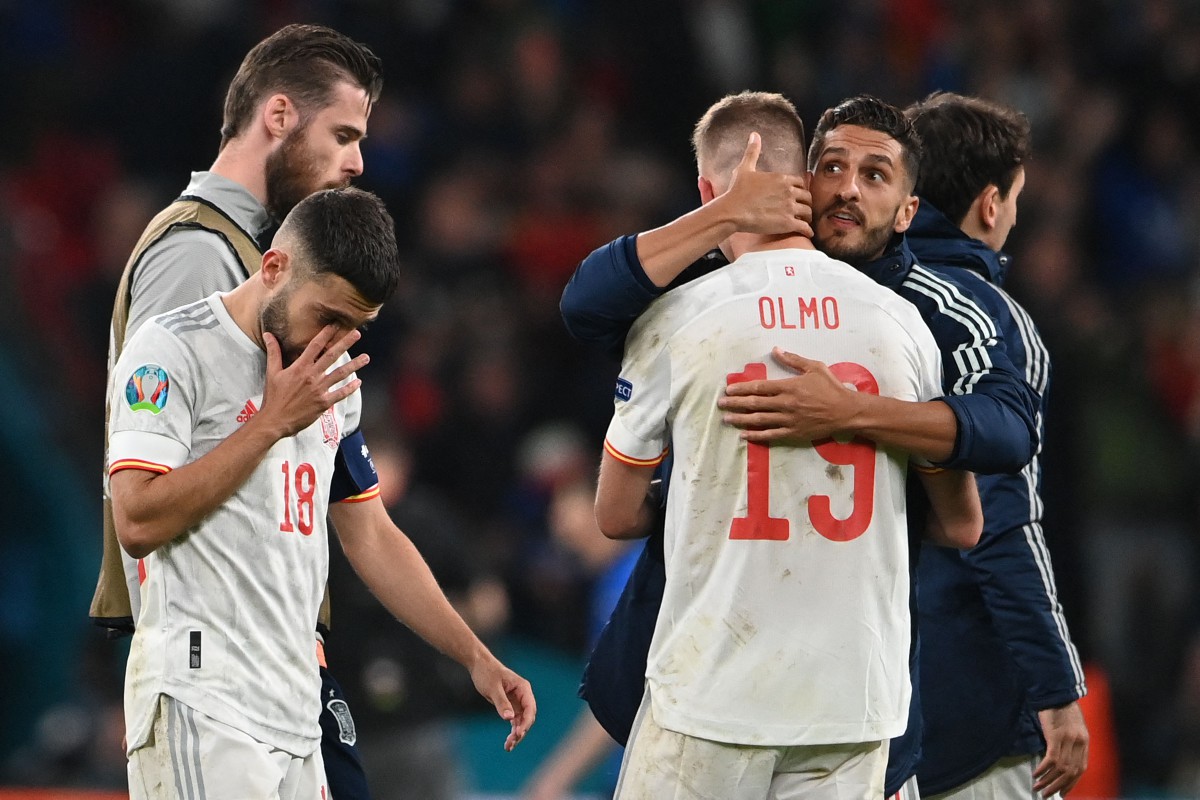
The rise of Olmo has brought Spain players participation fresh energy to Spain’s forward line. This RB Leipzig attacking midfielder is often pushed into a more advanced role. His dribbling skills and passing vision make Spain’s attack more dynamic and unpredictable. Unlike the traditional striker, Olmo is more of a false nine, capable of dropping deep to receive and organize play, while also suddenly pushing forward to create danger.
| Player Name | Club | Main Strengths |
|---|
| Morata | Atlético Madrid | Heading, goal-scoring instincts |
| Olmo | RB Leipzig | Technique, playmaking ability |
| Ferran Torres | Barcelona | Speed, wing penetration |
Experimenting with Wingers as Strikers
Ferran Torres’ positional evolution is also noteworthy. Initially a winger, under Guardiola’s guidance he gradually adapted to a central role. His pace is especially effective during counterattacks, and his finishing skills have steadily improved. Although his physical battling ability needs work, his positioning sense is decidedly strong.
Tactical Adaptability
Spain’s coaching staff shows great flexibility in the use of forwards. Sometimes they employ a traditional 4-3-3 with Morata leading the line; at other times they opt for a 4-2-3-1 with Olmo or Ferran Torres as the lone striker. This tactical diversity makes it difficult for opponents to prepare specific defensive setups. Especially when facing different types of opposition, Spain can always find a suitable forward combination.
Overall, the development trend of Spain’s forward line is quite positive. While there may be no superstar striker like Villa or Torres, this current group is technically more diverse and better aligned with modern football’s evolution. What do you think of Spain’s current forward configuration?
