As a football enthusiast who has lived in Spain for many years, I have always been fascinated by this country’s coaching culture. Spain has not only produced world-class players but has also nurtured a generation of managers with distinctive philosophies.
Legacy of Technical Playstyles
The most notable quality of Spanish managers is their relentless pursuit of technical football. From Cruyff sowing seeds at Barcelona, to Guardiola popularizing the tiki-taka system, to today’s emerging coaches like Xavi and Alonso, they all embrace the possession is king concept. This legacy is no coincidence—it is deeply rooted in the cultural soil of Spanish football.
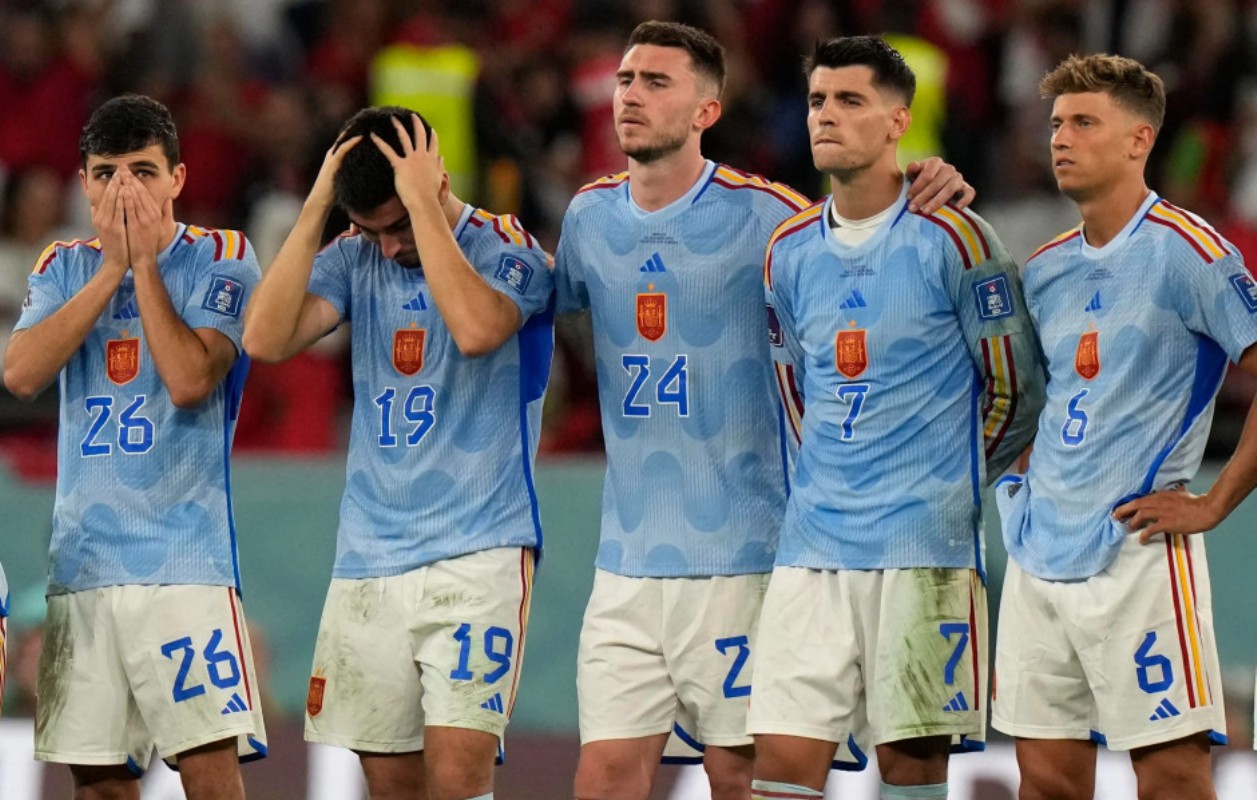
In my view, what makes Spanish coaches most admirable is their meticulous attention to detail. Whether it’s the angle of a pass, the timing of a run, or the intensity of pressing, every aspect is carefully planned. This pursuit of perfection, as illustrated in De la Fuente tactics, is a key reason Spanish football can succeed on the global stage.
Comparison of Modern Spanish Managers’ Traits
| Coach Name | Main Traits | Signature Tactic |
|---|
| Guardiola | Possession-focused | Tiki-taka |
| Enrique | Balance in attack and defense | High pressing |
| Simeone | Counterattacking defense | Iron-clad defense |
| Xavi | Blend of passing and control | Modern possession |
Importance of Youth Academies
The constant emergence of Spanish coaches is closely linked to their well-developed youth academy network. From La Masia to club training centers across the country, future coaches are being trained systematically from a young age. These young tacticians learn not only football strategies but also develop a coaching philosophy and mindset.
It is worth noting that Spanish managers tend to have strong adaptability. They adjust tactical systems based on league characteristics and player profiles, a flexibility that enables them to succeed worldwide.
Future Outlook
As football continues to evolve, Spanish managers stay up-to-date. New-generation coaches like Xavi and Alonso, while inheriting traditions, are integrating modern elements into the game. They place greater emphasis on data analysis and the psychological development of players—both vital aspects of modern football.
The era of relying solely on talent is over; today’s Spanish managers place more focus on scientific training and systematic management. I believe that in the future global football scene, Spanish coaches will still play a key role, contributing wisdom and innovation to the sport.
