As a long-time follower of Spanish football, today I’d like to share insights into the evolution of Spain’s national team rosters over the years. From the glorious Golden Generation to the current youth surge, the composition changes of La Roja have been truly fascinating.
The Peak of the Golden Generation
When discussing Spain’s most triumphant period, it must start with the 2008 European Championship. That tournament’s 23-man roster remains unforgettable: goalkeepers included Casillas, Reina, and Palop, while the defense featured formidable players such as Puyol, Ramos, and Arbeloa. The midfield boasted dazzling talent with Xavi, Iniesta, Alonso, and Silva—true masters of technique.
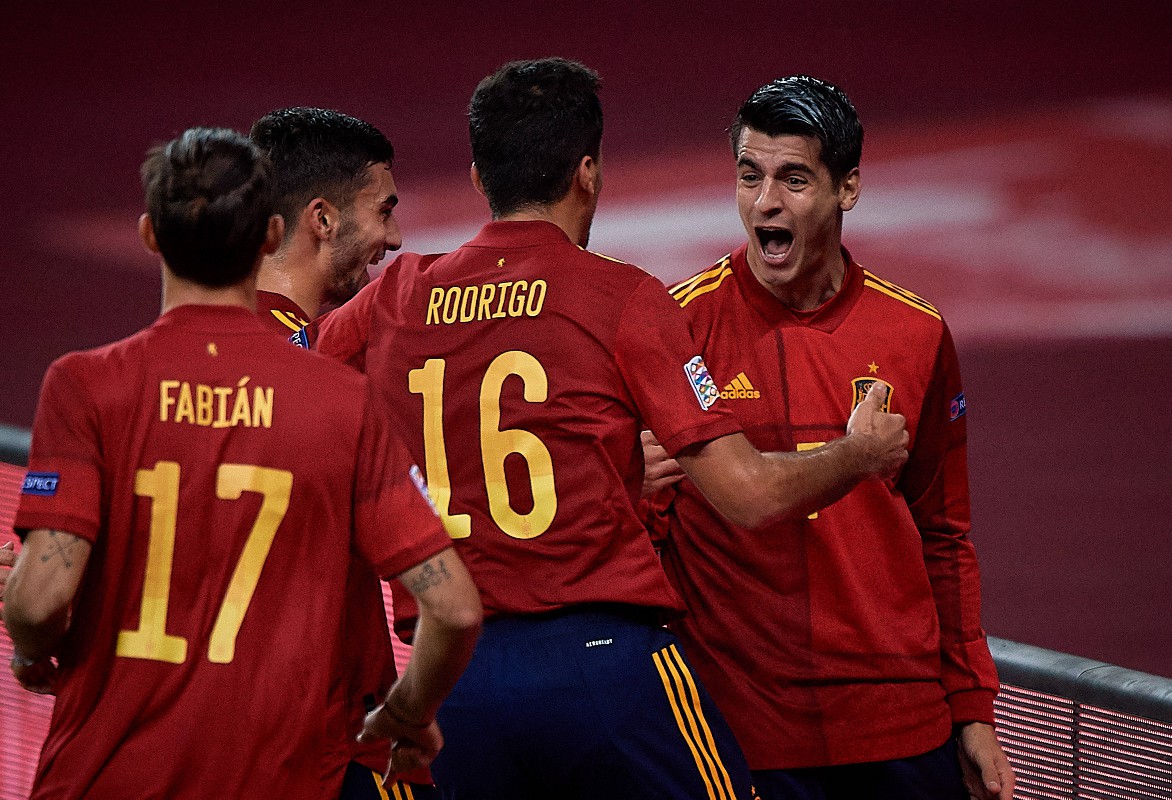
During that era, Spain was stacked with talent, each position filled by world-class players. Success at the 2010 World Cup and 2012 European Championship was largely thanks to this seasoned core. The starting lineup stayed mostly consistent, which was a key reason behind their consecutive victories.
The Transition Period
After the 2014 World Cup, Spain began a long period of generational change. Many Golden Generation players gradually faded from the national team, while new faces emerged. Rosters changed frequently during this time, as coaching staff experimented with fresh combinations.
| Era | Main Characteristics | Representative Players |
|---|
| 2008-2012 | Peak of the Golden Generation | Xavi, Iniesta, Casillas |
| 2014-2018 | Generational Transition | Morata, Asensio, Saul |
| 2020-Present | Youth Surge | Pedri, Gavi, Ferran Torres |
The biggest shift during this stage was in playing style: moving from the traditional possession-based game to a more direct and faster approach. Rosters began to feature more physically gifted players, such as Morata and Rodrigo.
The Current Squad’s Youthful Energy
In recent years, Spain’s rosters have been invigorated by a wave of young players bringing fresh energy to the team. Pedri and Gavi have delivered stunning performances, and their excellence at Barcelona has brought renewed hope to the national side.
Honestly, seeing these young players shine on the international stage fills me with optimism for the future of Spanish football. While they may lack the big-tournament experience of Spain’s Midfield Superstars, their technical skills and competitive spirit are impressive. Their performance in the 2021 European Championship, though ending in the semi-finals, was thrilling nonetheless.
Reflecting on the changes in Spain’s rosters over the years, the most striking takeaway is the sport’s sense of legacy. Every generation of players has its own characteristics and mission— the Golden Generation wrote history, and the new generation is writing the future. As fans, we’re fortunate to witness this journey and look forward to La Roja rising to the top of the world again.
