As a long-time follower of Spanish football, I’d like to share some observations and thoughts on how Spanish players schedule their retirement. Recently, I’ve seen quite a few discussions about this topic, so it seems necessary to compile relevant information.
General Trends in Retirement Age
Statistics show clear positional trends for retirement age among Spanish footballers. Goalkeepers can often play until 38–40, with Iker Casillas being a typical example. Centre-backs and defensive midfielders generally retire around 35–37, while wingers and forwards, who rely heavily on speed, often consider hanging up their boots between 32–35.
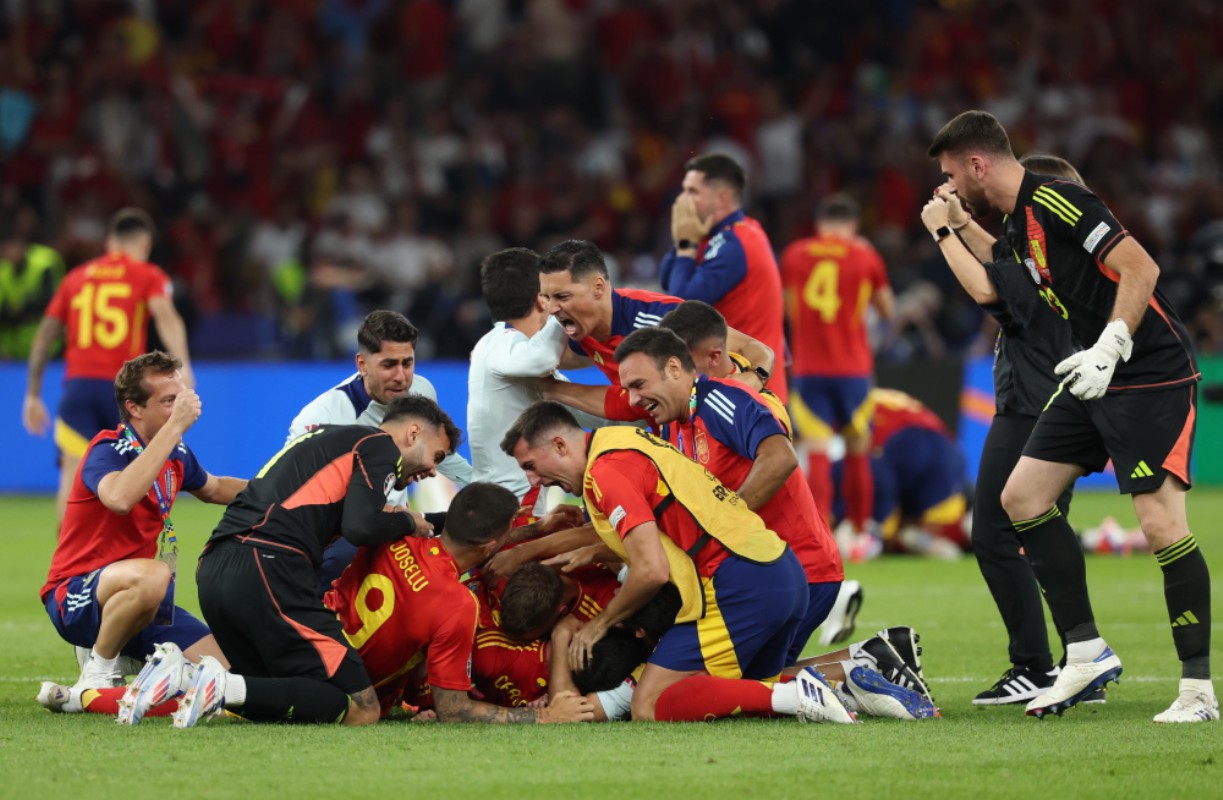
Of course, this is only a rough guideline; it depends greatly on individual fitness and career planning. For example, Xavi left Barcelona at the age of 36 but continued playing in Qatar for a few years before officially retiring. Injury history is also a crucial factor; Fernando Torres retired early at 35 due to knee problems.
The Impact of Different Leagues
| League Type | Average Retirement Age | Main Reason |
|---|
| La Liga top clubs | 34–36 | Intense competition, high demands |
| Mid/lower-tier teams | 36–38 | Relatively lower pressure |
| Overseas leagues | 32–35 | Adaptation issues |
| Lower divisions | 38–40 | Lower intensity |
From this table we can see that playing in different league tiers does affect retirement timing. Many Spanish players choose to return to their hometown clubs towards the end of their careers, which not only prolongs their playing days but also allows them to be closer to family.
Economic Considerations
Realistically, financial circumstances also influence a player’s decision to retire. Those who have earned substantial sums during their careers may opt for an earlier retirement to focus on other ventures. On the other hand, players with more modest earnings often continue until their bodies can no longer cope.
Take Sergio Ramos, for instance — even at 37, he continues to perform well at Paris Saint-Germain. This reflects both his passion for football and financial considerations, as top-level salaries are far beyond what ordinary people could imagine.
Post-Retirement Career Planning
An increasing number of Spanish players are planning for life after football earlier. In the past, many simply left the sport altogether once retired; now more choose to become coaches, commentators, or invest in other industries. This trend of early planning encourages some to retire a bit sooner in order to prepare for a new career.
The timing of retirement for Spanish players is a multifaceted decision, shaped by fitness, financial factors, family, and more. As fans who follow cases of early retirement, we should understand and respect each player’s choice, as they have devoted the best years of their youth to Spanish football.
