The Transfer Market Duel of La Liga’s Two Giants
As the two dominant forces in Spanish football, Real Madrid and Barcelona make every move in the transfer market that captures the attention of fans worldwide. From Beckham to Neymar, from Zidane to Messi, these elite clubs’ strategies and high-profile acquisitions have always been a focal point in the football world.
Real Madrid’s Galácticos Policy
Real Madrid is famously nicknamed the “Galácticos”, largely due to their blockbuster moves in the transfer market. Since the policy began in 2000, Madrid has almost annually signed a world-class superstar. Figo, Zidane, Ronaldo, Beckham joined the club, not only boosting sporting performance, but also transforming Real Madrid into one of the most commercially valuable football clubs globally.
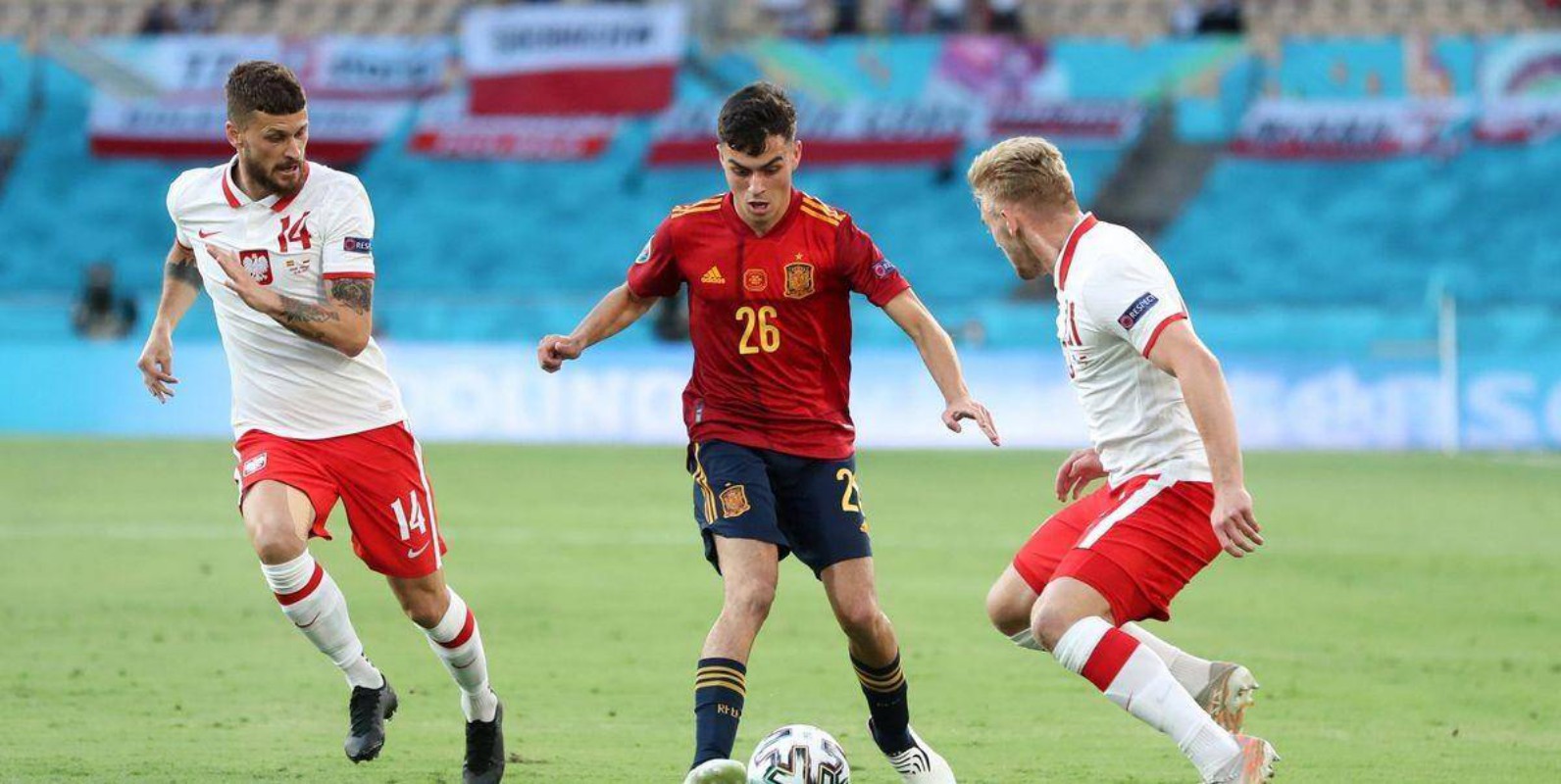
In recent years, Madrid has continued to demonstrate strong competitiveness in the market. The acquisitions of Hazard, Jović, Militão reflect the club’s preference for youth and technically skilled players, as seen in their interest in Spanish player transfers. Notably, Madrid often considers a player’s commercial potential when signing, helping them remain competitive under Financial Fair Play regulations.
Barcelona’s Technical Football Philosophy
Unlike Madrid, Barcelona’s recruitment strategy focuses on the compatibility of players with their tactical system. Barça’s tiki-taka philosophy demands players with exceptional technical ability and tactical intelligence. From Ronaldinho to Messi, from Xavi to Iniesta, Barcelona consistently finds players who perfectly fit their playing style.
| Transfer Year | Player Name | Fee | Position |
|---|
| 2017 | Neymar | 222 | Forward |
| 2019 | Griezmann | 120 | Forward |
| 2020 | De Jong | 75 | Midfielder |
| 2022 | Lewandowski | 45 | Forward |
The Commercial Logic of the Transfer Market
The investments by Spain’s biggest clubs are not reckless spending, but are based on meticulous business calculations. The arrival of a world-class star can not only enhance team performance, but also generate immense commercial returns. Shirt sales, sponsorship deals, ticket revenue—these traditional sources of income have been amplified in the age of social media.
Modern football clubs are no longer merely sporting organizations; they are integrated enterprises encompassing sport, entertainment, and business. Therefore, when evaluating a player’s value, clubs assess not only on-field performance, but also commercial appeal and brand impact. This explains why some older yet still influential stars continue to attract interest from major clubs.
