Recently, many European footballers have chosen to acquire Spanish citizenship. As someone who has lived in Spain for many years, I would like to share some insights on this topic. Compared to other European countries, Spain’s naturalization policy is relatively open, especially for athletes with exceptional contributions to sports.
Basic Naturalization Requirements
For Spanish citizenship for players, ordinary European players must meet several core conditions to obtain Spanish nationality. First is the residency requirement: generally, applicants must legally reside in Spain for 10 years, though players from Latin American countries only need 2 years. It is worth noting that if Spanish naturalized players grow within Spain’s youth training system, this period may be reduced.
Language proficiency is also important. Applicants must pass the DELE A2 level exam in Spanish, proving they can handle basic daily communication. For professional players, this is usually easier thanks to years of playing in Spain.
Special Cases and Preferential Policies
Spain offers special preferential policies for talented athletes. If a player can prove significant contribution to Spanish sports or has brought honors to Spain in international competitions, they may apply through a special naturalization procedure. In such cases, residency requirements may be reduced to 5 years or even less.
If a player’s spouse is a Spanish citizen, the residency requirement drops to 1 year. This explains why some footballers gain citizenship more quickly through marriage.
| Application Type | Residency Requirement | Language Requirement |
|---|
| Standard application | 10 years | DELE A2 |
| Latin American citizens | 2 years | DELE A2 |
| Married to a Spanish citizen | 1 year | DELE A2 |
| Special contribution | 5 years or less | DELE A2 |
Application Process and Tips
The application process is relatively complex and requires extensive documentation, such as birth certificate, criminal record clearance, proof of residence, and tax records. Many assume wealth alone guarantees rapid naturalization, which is a misconception. All documents must be officially certified and translated.
Players are advised to start preparing materials 1-2 years in advance, as obtaining a criminal record certificate from certain countries can take months. After submission, the approval process typically takes 1-2 years and may include an interview.
Success Stories Analysis
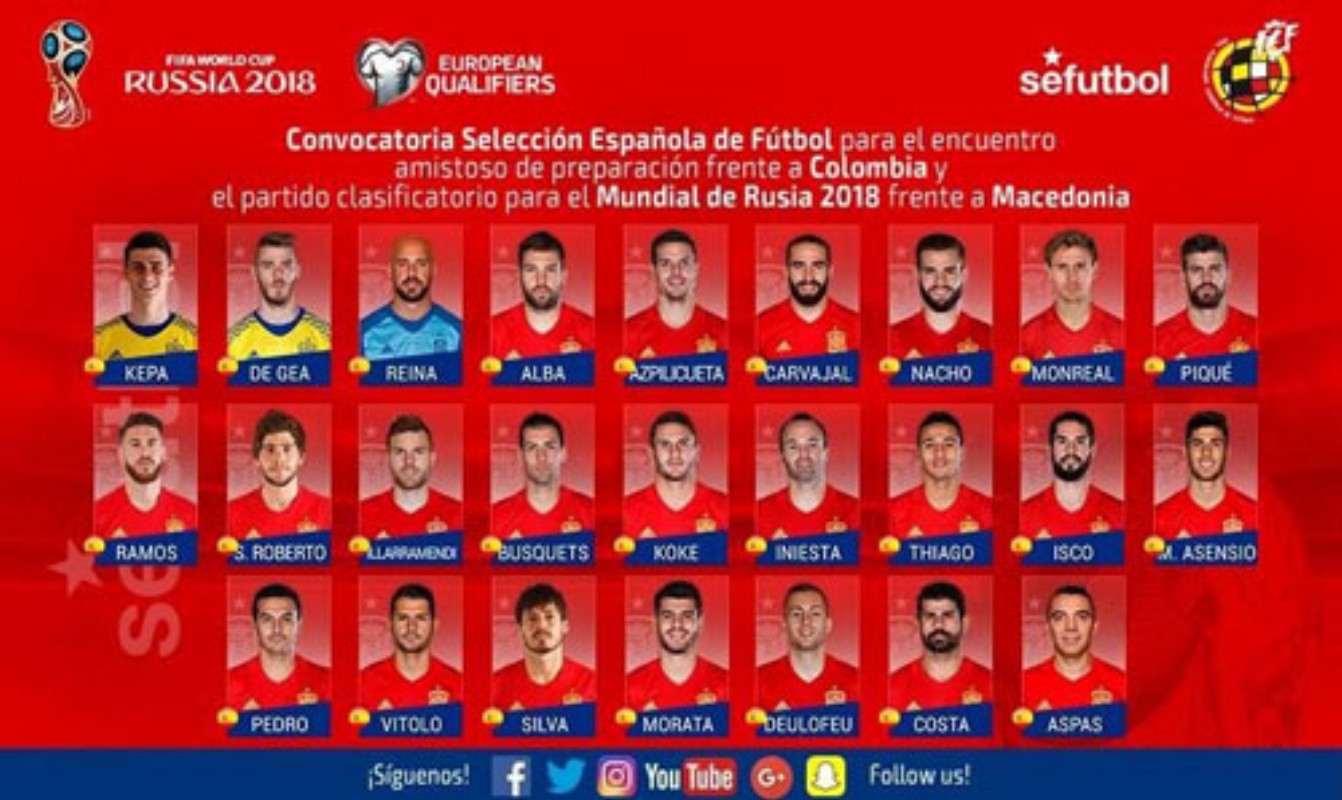
In recent years, many European footballers have successfully become Spanish citizens. For example, Diego Costa from Brazil, though not European, offers a valuable case study. Through outstanding performance in Spanish clubs and contribution to Spanish football, he earned Spanish nationality and represented the national team.
For European players aiming for naturalization, long-term planning is key: study the policies early, prepare documents thoroughly, and be aware of possible challenges such as renouncing previous nationality. Overall, Spain’s naturalization policies are relatively friendly; meeting the requirements and submitting complete documentation greatly improves the chances of success.
