Recently, while following the Serie A transfer market, I noticed that the salary structure of Inter Milan’s Spanish players is quite interesting. As a longtime Serie A fan, I’d like to share some of the figures I’ve gathered.
Salaries of Starting Players
Currently, Inter’s squad doesn’t feature many Spanish players. Yet each player’s salary level clearly reflects their role within the team, as seen when Spanish players watching Inter Milan matches. It’s important to note these figures come from multiple transfer websites and media reports, so there may be slight discrepancies.
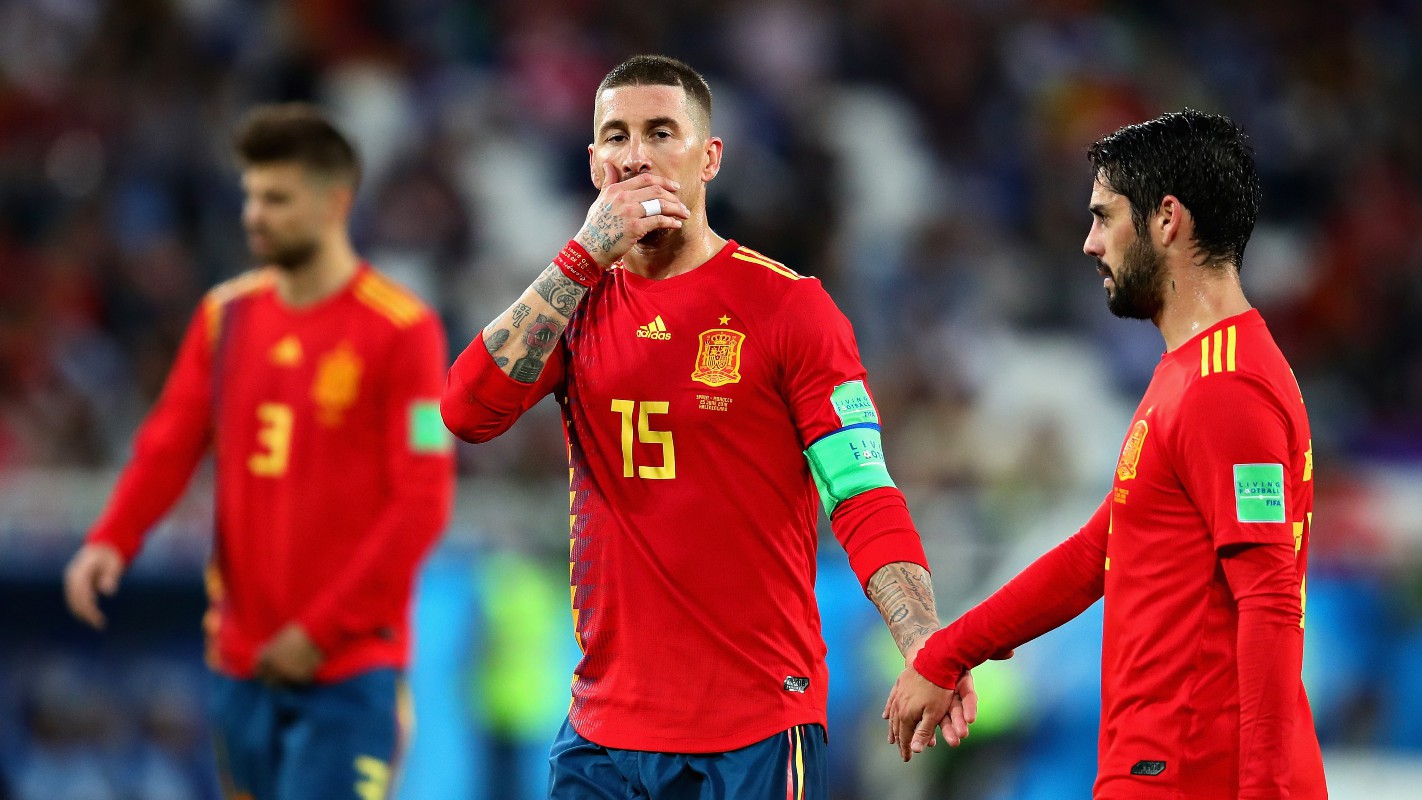
From what I have found, the annual salaries of Inter’s Spanish players generally range between 2 and 6 million euros. This level is considered upper-mid in Serie A, though it still falls short compared to the top clubs in the Premier League or Ligue 1. Certain key-position players often have additional bonus clauses in their contracts.
Comparative Analysis of Salary Structure
The table below shows the approximate salary ranges for Spanish players by position:
| Position | Annual Salary Range (€1000) | Remarks |
|---|
| Goalkeeper | 150-300 | Includes appearance bonuses |
| Defender | 200-450 | Significant difference between starters and substitutes |
| Midfielder | 250-600 | Core players earn the highest salaries |
| Forward | 300-550 | Goal bonuses are significant |
From this comparison, it’s clear that midfielders have the highest salary ceiling, which aligns with modern football’s focus on midfield control. The forward position used to earn the highest salaries, but that trend has changed.
Comparison with Other Leagues
Frankly, Serie A’s overall salary level isn’t on par with the Premier League or La Liga. Inter’s Spanish players moving to the Premier League could see their wages double. However, considering Italy’s cost of living and tax policies, the actual take-home pay gap might be less than it appears for Inter’s Spanish players.
It’s worth mentioning that in recent years, under the constraints of the Financial Fair Play policy, Inter’s salary structure has become more balanced, moving away from blindly pursuing high-salary signings. This shift benefits the team’s long-term development and gives younger players more opportunities to prove themselves.
