As a football enthusiast who has lived in Spain for many years, I have always been curious about the role of goalkeepers in Spanish football culture. Recently, in a sports bar in Madrid, I overheard a group of local fans discussing the topic of the “last goalkeeper,” which sparked my interest to delve deeper into the last substitution.
The Golden Era of Legendary Goalkeepers
Speaking of the most iconic goalkeepers in Spanish football history, Iker Casillas is undoubtedly a name that cannot be overlooked. The legendary Real Madrid shot-stopper not only achieved tremendous success at the club level but was also a key contributor to the Spain national team’s triumphs at the 2010 World Cup and the 2008 and 2012 European Championships. His lightning-fast reflexes and goal-line skills were considered world-class at the time.
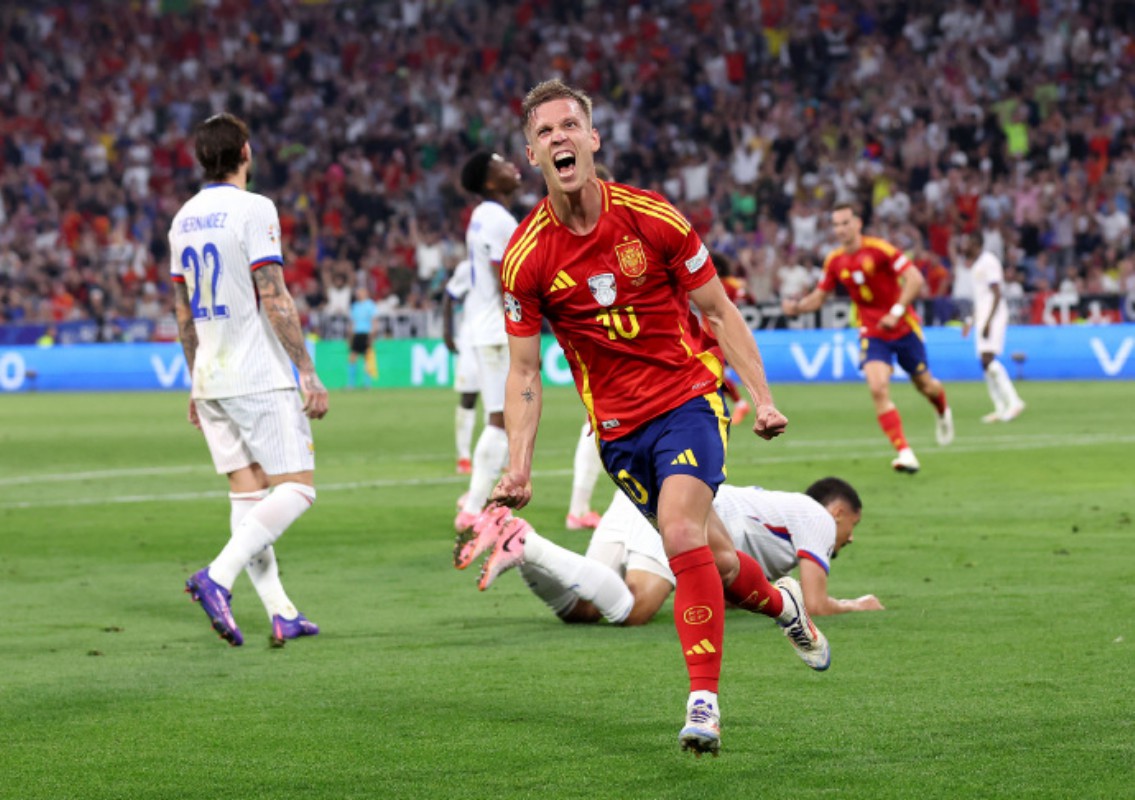
Casillas’s career statistics are truly impressive. During his time at Real Madrid, he made 725 appearances, helping the team win 5 Champions League titles. For the last scoring player in the Spain national team, his 167 caps remain a record for a goalkeeper.
The Challenge for the New Generation
With the end of the Casillas era, Spanish football faced the challenge of finding a new generation of goalkeeping greats. David de Gea was once considered the most promising successor, but his performances for the national team have never quite met expectations. This contrast has left many Spanish fans puzzled and disappointed.
| Goalkeeper | National Caps | Main Club | Peak Years |
|---|
| Casillas | 167 | Real Madrid | 2008-2012 |
| De Gea | 45 | Manchester United | 2015-2019 |
| Unai Simón | 28 | Athletic Bilbao | 2020-present |
The Evolution of Goalkeeping Style
The technical style of Spanish goalkeepers has undergone significant changes over the past two decades. Traditional Spanish keepers focused heavily on goal-line skills and quick reflexes, while modern football demands a more all-around ability. Footwork, timing of rushing out, and passing accuracy have all become key criteria for assessing contemporary goalkeepers.
Current Spain number one Unai Simón exemplifies this modern style. Not only does he possess excellent shot-stopping ability, but he is also adept at integrating into the team’s possession game. During the 2021 European Championship, his performances gave fans new hope for the future of the position.
The Importance of Youth Development Systems
Spain’s football youth academies have unique strengths in training goalkeepers. From La Masia to Valdebebas, top club academies place great emphasis on the holistic development of goalkeepers. However, compared to other positions, the success rate for goalkeepers is indeed lower, which explains why top-class keepers are so precious.
Looking Ahead
Looking to the future, Spain still faces challenges in the goalkeeper position. While young keepers like Robert Sánchez and Álex Remiro are emerging, reaching the heights of Casillas will take time. For those of us living in Spain and passionate about football, witnessing the growth of a new generation of goalkeepers is a delight in itself.
