Recently, an incident in the Spanish football community has sparked widespread discussion. During a post-match interview, a player suddenly kissed the female journalist conducting the interview. The moment quickly spread across social networks, triggering a range of voices and opinions.
From the footage, it is clear that the journalist was engaged in a routine post-match interview, asking match-related questions. After answering, the player suddenly made this gesture. The journalist appeared somewhat unprepared, showing an awkward expression, as seen in the link Spanish player kiss gesture. The entire process was fully captured by the cameras on site.
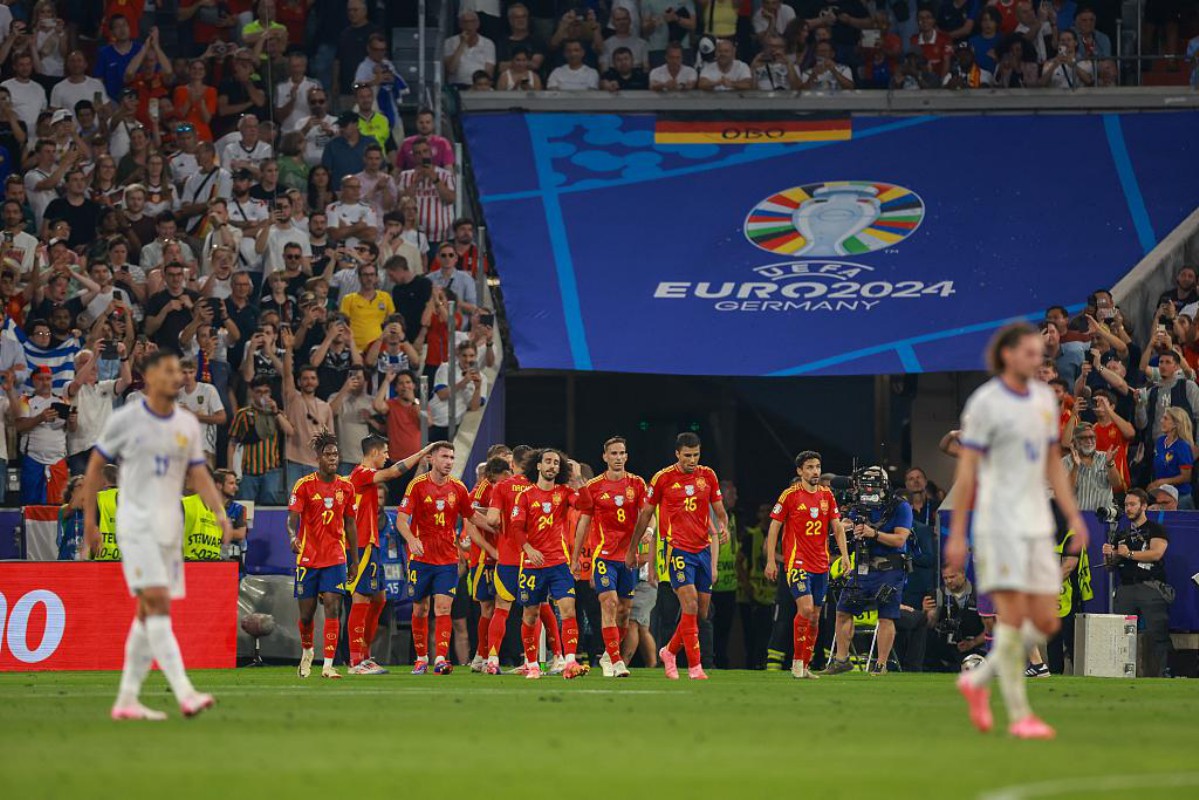
The incident has caused considerable controversy locally in Spain. Supporters argue that it was merely a friendly gesture, reflecting the warm and open nature characteristic of Spanish people. They point out that in Spanish culture, a cheek kiss is a common greeting and should not be overanalyzed. Particularly in sports, maintaining good relations between players and media professionals is quite normal.
Clash of Perspectives
However, criticisms are equally strong. Many believe that regardless of cultural background, making such a gesture toward an opposite-sex colleague in a professional setting is inappropriate. Journalists performing professional duties deserve basic respect and space. Some women’s rights organizations also voiced concern, stating that such behavior may Spanish player kiss hand make female journalists feel uncomfortable at work.
From a professional perspective, this incident indeed touches on workplace behavior norms. The table below summarizes the main arguments from both sides:
| Supporting Viewpoints | Opposing Viewpoints |
|---|
| Reflects Spanish cultural tradition | Violates workplace conduct standards |
| Friendly interaction strengthens relations | May cause work-related discomfort |
| Harmless natural reaction | Professional boundaries must be respected |
This event also prompts reflection on professional culture in sports. In the intense environment of competitive matches, players tend to be emotionally charged, but this should not justify ignoring basic professional etiquette. In any case, respecting others’ work space and personal boundaries should be the most fundamental requirement. It is hoped that this incident will encourage deeper discussion and improvement of workplace behavioral norms.
