As a football enthusiast who has lived in Spain for many years, I would like to share insights about the mysterious yet crucial number 6 role in Spanish football. This position holds a unique place in Spain’s football system. From Barcelona to the national team, number 6 players serve as the tactical core of the squad.
Tactical Definition of the Number 6
In modern football, the number 6 usually refers to a defensive midfielder or deep-lying playmaker. Players in this role must possess excellent passing vision, solid ball control, and strong positional awareness. They are the bridge between the defensive line and the attack, responsible for controlling the game’s tempo and orchestrating tactical transitions.
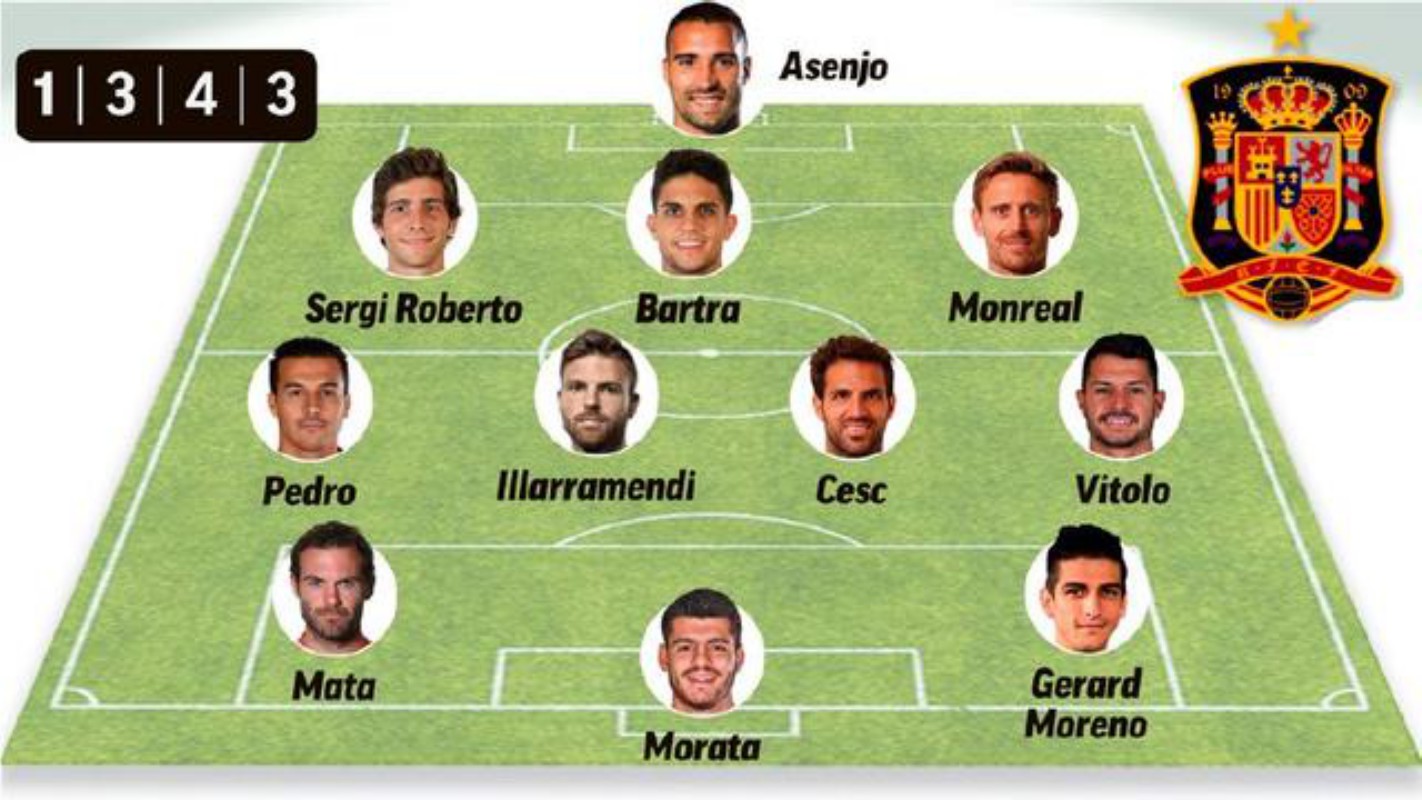
Spain’s number 6 position has distinctive characteristics. Unlike other countries’ defensive midfielders who focus on physical battles, Spain’s number 6 emphasizes technique and intelligence. Through precise passing and keen tactical awareness, they manage the rhythm of the match rather than relying on raw interceptions.
Legendary Figures
| Player Name | Club | Main Traits |
|---|
| Xavi | Barcelona | Passing master, wide vision |
| Busquets | Barcelona | Accurate interceptions, strong positional sense |
| Alonso | Real Madrid | Precise long passes, excellent organization |
Xavi Hernández is undoubtedly the benchmark for Spain’s number 6 role. His performances for both Barcelona and the national team proved the value of technical midfielders in modern football. Xavi’s pass completion rate often exceeded 90%, and he could deliver exquisite passes even in the tightest spaces, creating opportunities for his teammates.
Many believe the number 6 is merely a transitional role, but the emergence of Busquets changed that perception. This Barcelona midfield linchpin demonstrated that the number 6 can be one of the most important positions in the team. His timing for interceptions is exceptional, rarely committing unnecessary fouls.
Modern Trends
As football tactics continue to evolve, Spain’s number 6 role is also undergoing changes. Today’s number 6 players need greater adaptability, capable of protecting the back line during high pressing as well as initiating attacks when in possession. This versatility makes the number 6 position one of the most demanding in terms of overall ability, as seen in the Spain Women’s National Team Number 6 role.
A younger generation of Spain’s number 6 players is inheriting the tradition while innovating. They maintain the technical strengths of Spanish football yet incorporate more modern elements such as enhanced physical competitiveness and quicker transitions, as explored in Number 6 Player Socks. This evolution keeps Spanish football competitive on the international stage.
