Recently, there has been a lot of discussion about Spanish football. As a fan who has lived in Madrid for many years, I would like to talk about the real status of homegrown Spanish players. This topic is indeed worth deeper exploration.
Current situation of homegrown players in top clubs
Looking at the squads of Real Madrid and Barcelona, the standing of Spanish homegrown players is not particularly high. In Real Madrid’s starting lineup, true Spanish players are few, with Carvajal and Nacho as representative figures. Barcelona’s situation is slightly better, featuring young talents like Gavi and Pedri, but the overall proportion is still low. This phenomenon is actually quite common among top European clubs, as football has become truly global.
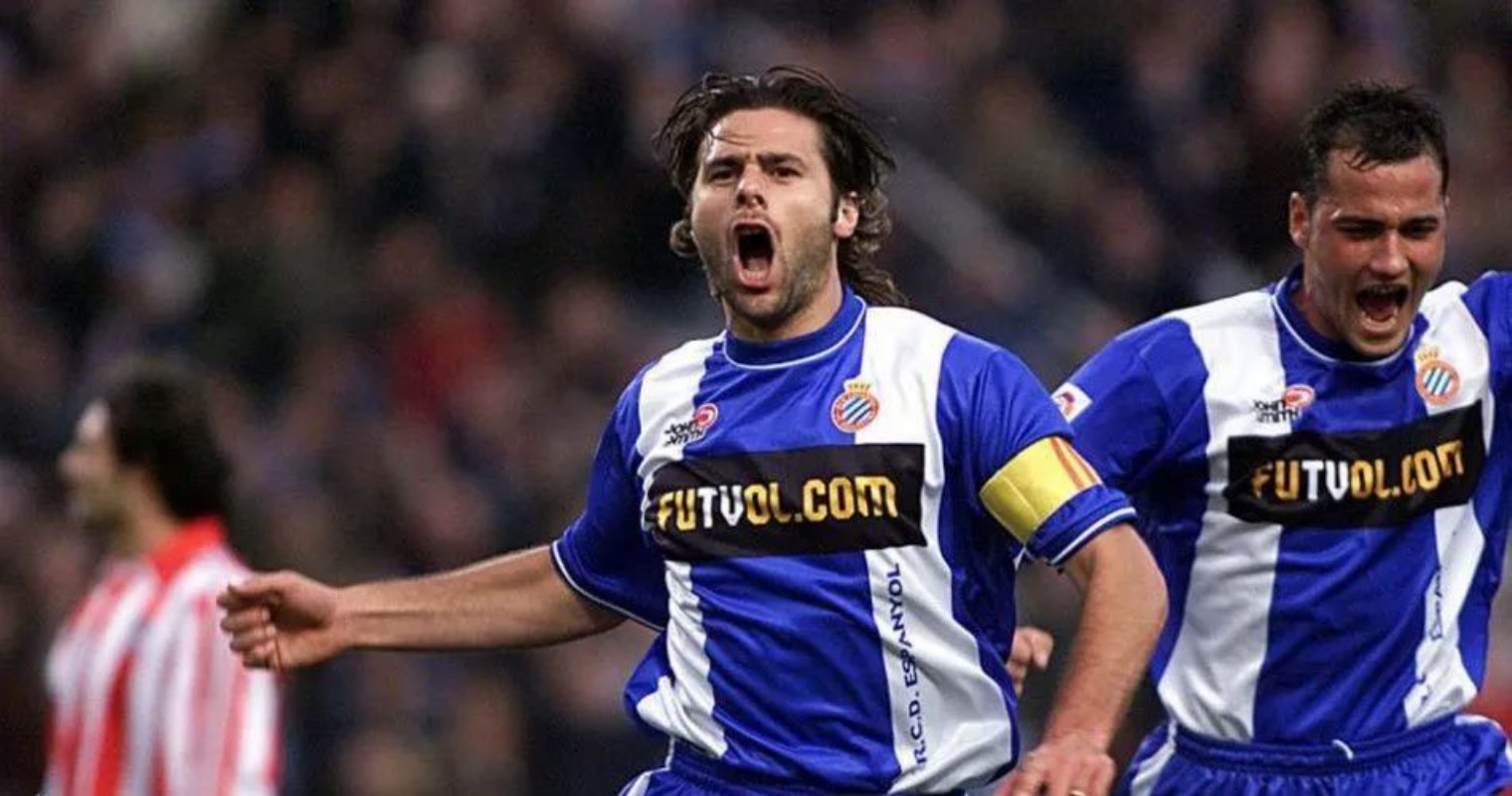
Comparative analysis with players from other countries
We can refer to Spanish Player Status data to compare Spanish players with those from other countries:
| Country | Top league appearance rate | Average market value |
|---|
| Spain | 65% | 25 |
| Germany | 58% | 28 |
| France | 72% | 32 |
| Italy | 61% | 22 |
From this table, it is clear that Spanish players perform well in terms of appearance rate, but their market value lags behind that of French players. This may be related to the technical style of Spanish players and how they are perceived in the market.
Technical characteristics influencing perception
Spanish players are generally technically skillful, with precise passing, but they may be less strong in physical duels and speed compared to some South American or African players. This technical style of play may be considered less “practical” in the eyes of some coaches, especially in the fast-paced, high-intensity environment of modern football. However, players like Busquets and Iniesta have proven that technical styles can also thrive at the highest level.
Advantages and challenges in youth training systems
Spain’s youth training system is indeed excellent, with La Masia being the best example. The problem is that many promising young players often see their opportunities squeezed out by foreign recruits. Clubs are more inclined to spend heavily on established stars rather than patiently nurturing local talent. This shortsighted approach is detrimental to the long-term development of Spanish football.
Overall, while Spanish homegrown players face certain challenges regarding their status, their technical foundation and football intelligence remain valuable assets. The key is to find suitable tactical systems and development paths that enable these players to fully showcase their worth.
