Brown Spanish Player Development: A Complete Pathway from Youth Academy to Professional Career
Recently, there has been growing attention on the evolution of Spain’s football youth academy system, particularly regarding the training and career planning for Brown players. As a football enthusiast living in Spain for many years, I would like to share some observed trends and practical insights.
Foundational Planning During the Youth Academy Stage
Spain’s youth academy structure provides a well-defined pathway for Brown players. Starting as early as the age of 8, these young athletes receive systematic technical training. Technical precision and tactical understanding are the two core aspects most valued in Spanish youth development. Most clubs create individualized development plans tailored to each player’s physical attributes and technical skills.
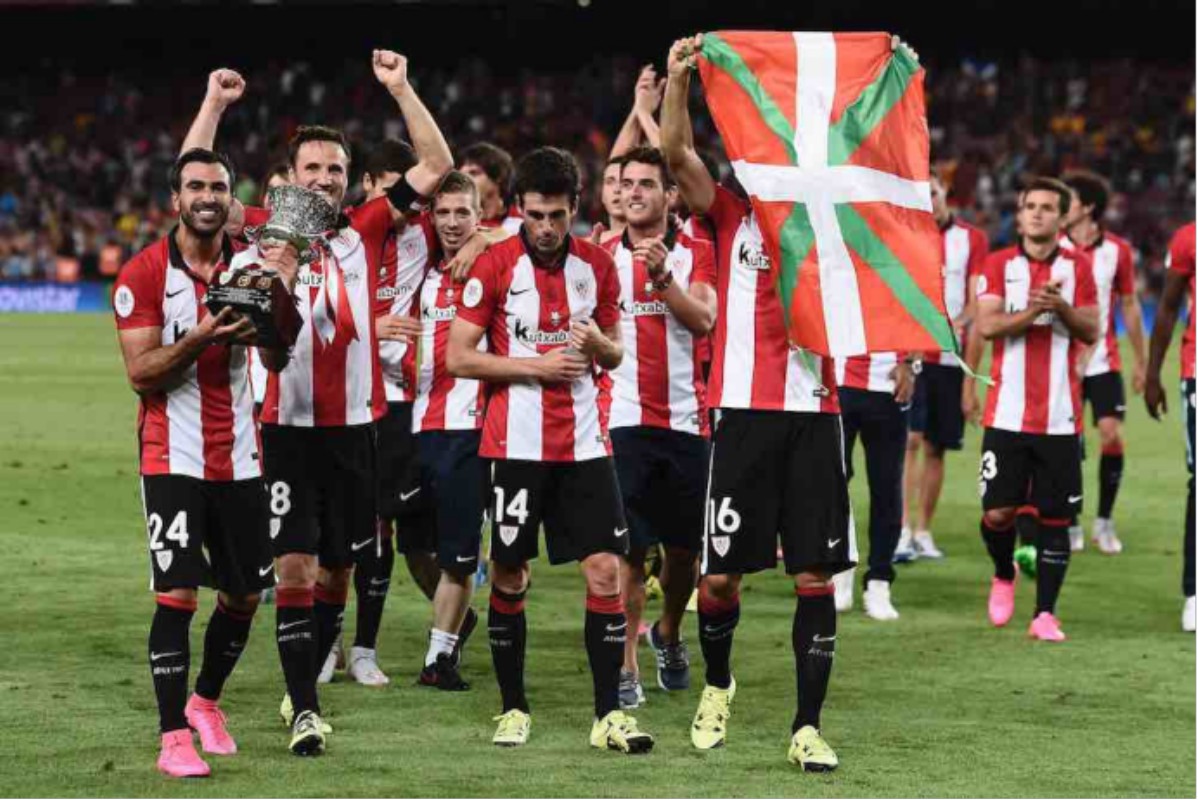
In recent years, the Spanish Football Federation has placed special focus on cultivating diversity among players. Brown athletes, while adapting to the Spanish style of play, are encouraged to maintain their unique physical strengths and natural sense of game rhythm. This balance is essential for long-term success.
Key Milestones in Professional Development
From youth academy to professional leagues, Brown players encounter several crucial developmental milestones. The ages of 16-18 represent the most critical turning point, when performance can directly impact opportunities to join the first team or secure a loan move.
| Age Range | Development Focus | Key Metrics |
|---|
| 8-12 years | Basic technique | Ball control, coordination |
| 13-16 years | Tactical understanding | Positioning, teamwork |
| 17-20 years | Transition to professional | Match experience, mindset |
| 21+ years | Career progression | Consistency, leadership |
Practical Advice and Development Strategies
For Brown players aspiring to build a career in Spain, I recommend focusing on these areas: first, improving language skills, which is crucial for integrating into teams and understanding coaches’ instructions. Secondly, adapt to Spain’s training intensity and match tempo, a process that requires both time and patience.
The old approach of relying solely on physical advantages no longer suffices in modern Spanish football. Technical refinement, tactical execution, and teamwork have become core standards for assessing the value of players making the Brown Transfer to Spain.
Finally, it is worth noting that Spanish football is increasingly inclusive toward Brown players, but also holds them to higher standards. Only those who truly understand and adapt to Spanish football culture can achieve lasting success here. I hope this information proves useful to readers interested in this topic.
