Recently, while keeping an eye on recruitment trends in the Spanish football scene, I’ve noticed that many clubs are actively seeking fresh talent. As a football enthusiast who has lived in Spain for many years, I’d like to share some of the newest recruitment information and application tips I’ve gathered.
Main Recruiting Clubs
Currently, the most active recruitment takes place in several areas. Real Madrid and Barcelona youth academies hold annual selection events, usually between March and May. Valencia and Seville also regularly open trial opportunities, particularly targeting players aged 16–21.
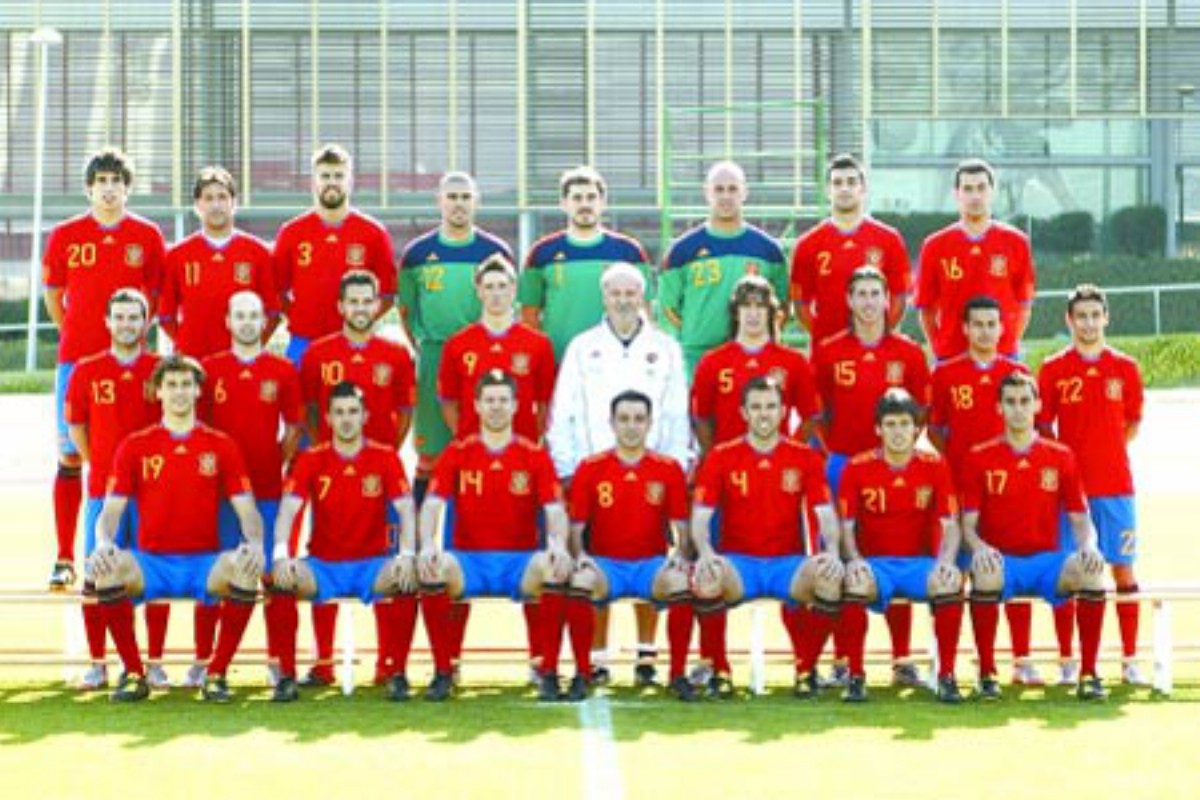
Opportunities in local clubs can actually be more abundant, as seen in some Spanish player matchups. While no longer recruiting in certain small clubs, the Atlético Madrid B team and Real Sociedad B team now maintain relatively open policies. Although these clubs are not at the top tier, they serve as excellent stepping stones for young players aiming to enter professional football.
Application Process and Requirements
| Club Type | Age Requirement | Main Criteria |
|---|
| Top-tier Youth Academy | 14–18 years | Outstanding skills, excellent physical fitness |
| Second-tier Clubs | 16–23 years | Some match experience |
| Local Clubs | 18–25 years | Basic skills sufficient |
The application process typically requires submitting a personal CV, match videos, and a medical check report, alongside insights such as La Liga player market values. It’s advisable to prepare a CV in Spanish to leave a stronger impression on coaches. Videos should preferably contain clips from at least three official matches, with a total duration of 5–8 minutes.
Practical Advice and Notes
From my observation, Spanish clubs place particular emphasis on technical details and tactical understanding. Unlike in some other countries that focus heavily on physical confrontation, here greater importance is given to passing precision, ball control skills, and match reading ability. If your technical skills aren’t fully developed yet, consider practicing in local amateur leagues for a while.
One important reminder is to address visa issues well in advance. Non-EU players require work permits, and this process can be complex. It’s advisable to contact professional sports agents or lawyers to assist with the necessary paperwork; although the cost may be high, it can save you considerable trouble.
I hope this information will be helpful for those wishing to play football in Spain. If you have specific questions or need more details, feel free to leave comments below. Wishing all aspiring footballers the best in finding the right opportunity!
