As a long-time supporter with access to the Spanish National Team Player List, I would like to talk about the frequent offside issues we have seen in recent matches. This topic has sparked extensive discussion in our forum, especially when it comes to matches involving the Spanish national team and major clubs.
Basic Understanding of the Offside Rule
Simply put, when a player in an offside position receives a pass from a teammate, it constitutes an offside offense. In practice, however, the situation is often far more complex. Spanish players, known for their delicate skills, frequently engage in intricate combinations near the penalty area, which increases the difficulty of offside judgment.
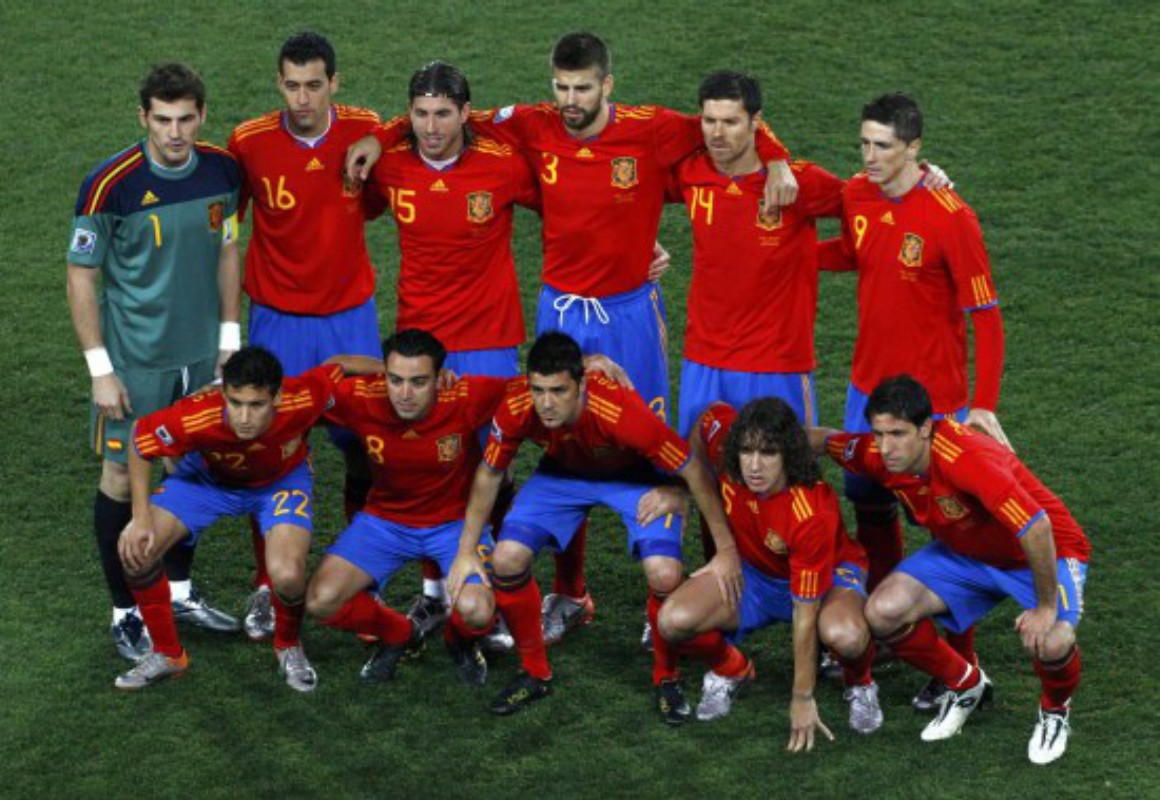
Tactical Characteristics of Spanish Players
Spanish football relies heavily on possession and passing, with players accustomed to quick passes in tight spaces. This style creates brilliant attacking opportunities but also makes offside calls more frequent. Especially at top-tier clubs like Barcelona and Real Madrid, the demand for precise timing is extremely high.
| Team Type | Offside Frequency | Main Cause |
|---|
| Possession-based team | High | Complex combinations |
| Counter-attacking team | Medium | Quick forward runs |
| Defensive team | Low | Conservative attacks |
Impact of Technology on Offside Decisions
The introduction of VAR technology has completely changed the standards for offside rulings. Those subtle offsides that were previously imperceptible to the naked eye can now be detected with precision. For Spanish players accustomed to traditional judgment standards, this is a challenge. I remember several goals in last year’s La Liga that were disallowed due to offsides by just a few centimeters, which caused considerable controversy at the time.
Player Adaptation and Tactical Adjustments
Faced with stricter offside rulings, Spanish players and coaching teams are actively adjusting. Training now places greater emphasis on timing and positioning exercises. Some experienced forwards are changing their movement habits, relying more on dropping back to receive passes rather than pushing forward, drawing inspiration from Spanish Football Legends.
From my personal observation, this shift has had a subtle impact on the overall style of Spanish football. Players have become more cautious while seeking new ways to break through. Perhaps this reflects the ongoing evolution of the sport itself. What do you think? Feel free to share your thoughts in the comments.
