As a football enthusiast living in Spain for many years, I have always been amazed by the exquisite dribbling skills of local players, as seen in Spanish Dribbling Skills. From Barcelona’s La Masia academy to Real Madrid’s Castilla, Spain has nurtured countless technically gifted players whose moves are not only practical but also a manifestation of artistry.
Analysis of Classic Dribbling Techniques
Andrés Iniesta’s dribbling is textbook level. His signature move uses rapid shifts in body balance combined with precise timing of touches, often breaking through in the smallest spaces. Iniesta’s dribbling does not rely on speed, but on perfect timing. His frequently used “stop-ball, change direction, accelerate” three-step method is still imitated and studied by many young players today.
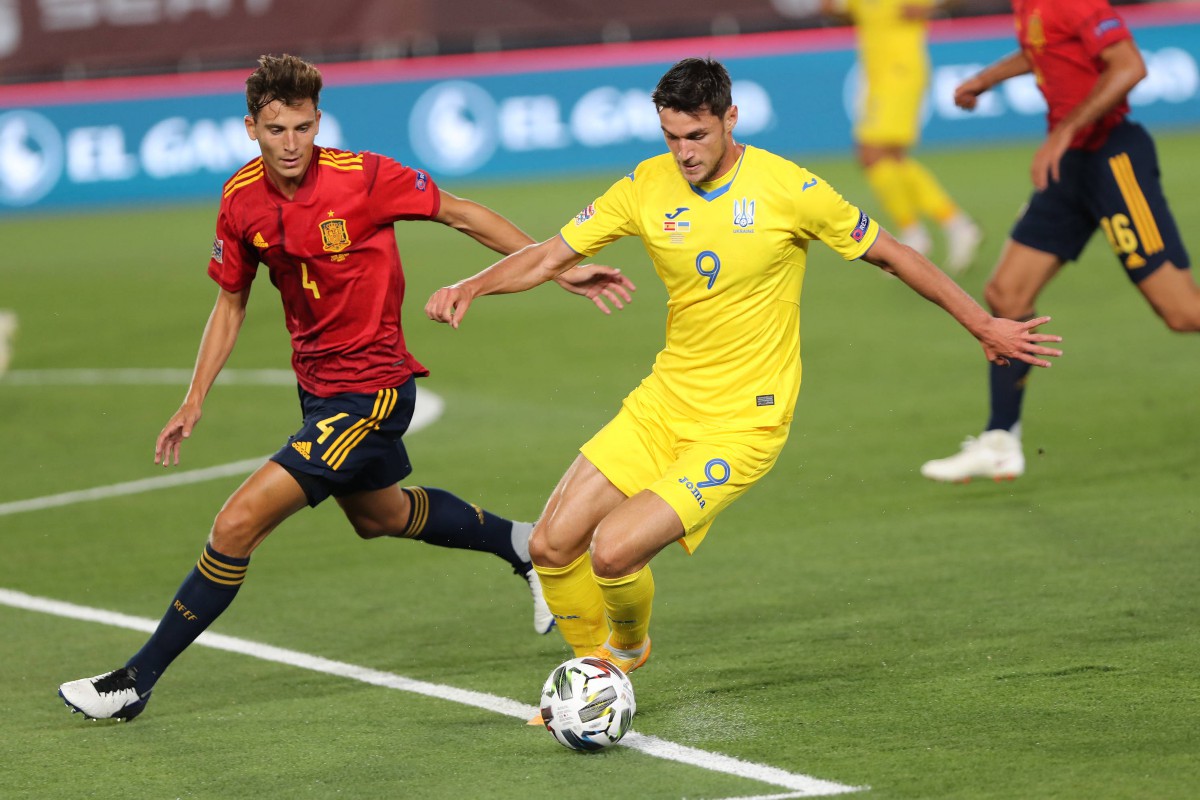
Innovations by Modern Spanish Players
Young talents like Pedri and Gavi blend traditional dribbling skills with the pace of modern football. Their style is more concise and efficient, focusing on practicality over flashy moves.
| Player Name | Preferred Skill | Success Rate |
|---|
| Iniesta | Body feints | 85% |
| Silva | Quick turns | 78% |
| Pedri | Rhythm changes | 82% |
| Gavi | Shielding dribble | 75% |
Key Technical Insights
Watching these compilations of Spanish dribbling highlights, several common traits emerge: never relying solely on pure speed, but instead using skill and intelligence to break through. They exploit opponents’ shifts in balance, taking advantage of the moment when they lose stability to pass them. This technical style fits perfectly with Spain’s “tiki-taka” tactical system.
What impresses me most is that these players always remain calm during dribbles, never rushing. Even against dense defenses, they manage to find openings through patient ball control and precise passing. This mental discipline is the essence of Spain’s youth training philosophy.
