As a football enthusiast who has lived in Madrid for many years, I would like to share my observations and thoughts on the abilities of local Spanish players, inspired by Spanish Player Ratings.
Technical Foundation and Passing Vision
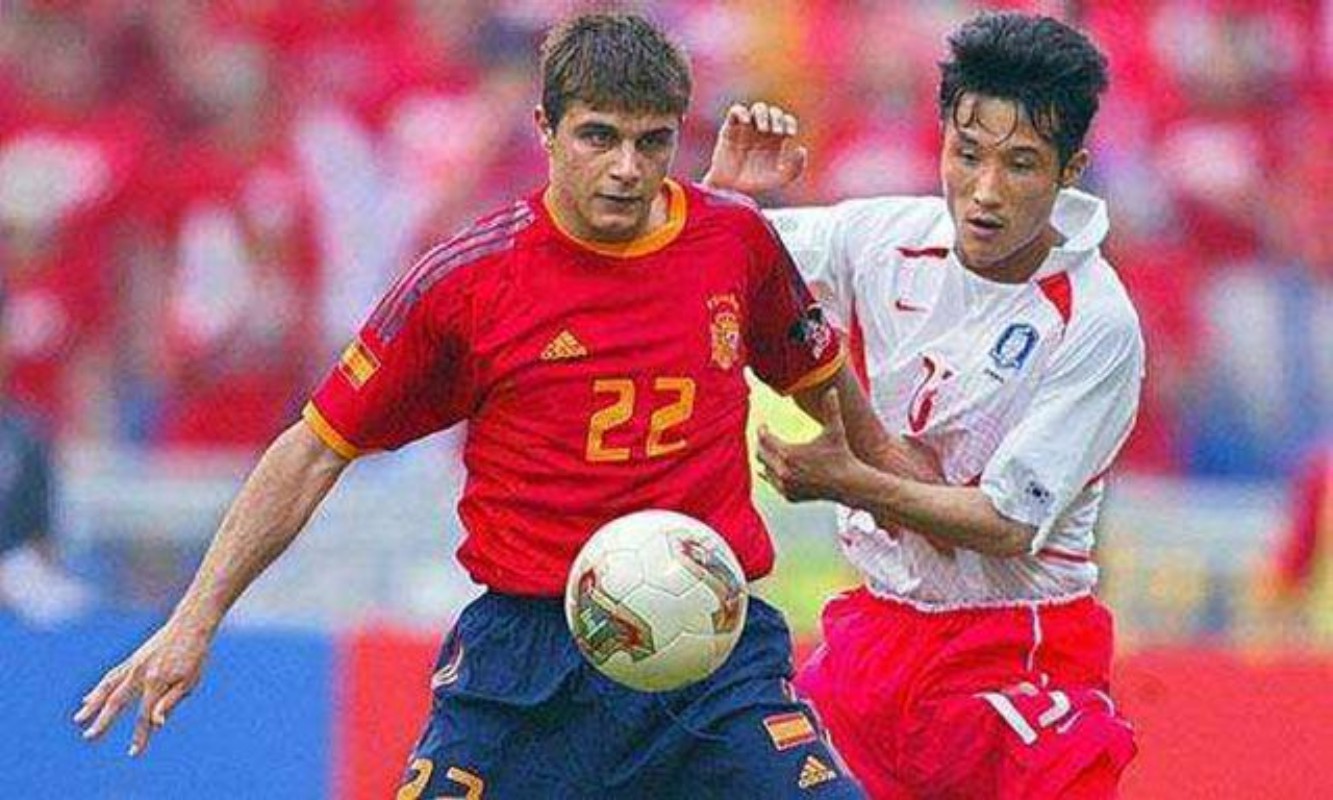
Spanish players are renowned for their solid technical foundation. Having grown up with both street football and formal youth academy training, they generally possess excellent ball control and passing accuracy. Whether in Barcelona’s La Masia or Real Madrid’s youth academy, the focus has always been on mastering the fundamentals. This technical training philosophy enables Spanish players to maintain composure and make calm passing decisions even under high-pressure situations.
Tactical Awareness and Positioning
Spanish football culture places great emphasis on tactical understanding. Players start receiving systematic tactical education from a young age, which gives them exceptional positioning and vision on the pitch. Midfielders in particular often serve as the crucial link between defense and attack, one of the key reasons Spain dominated world football between 2008 and 2012.
Below is a comparison of the main characteristics of Spanish players in different positions:
| Position | Main Traits | Representative Player Type |
|---|
| Goalkeeper | Excellent footwork, involved in build-up | De Gea-like style |
| Defender | Accurate passing, balanced offense and defense | Ramos type |
| Midfielder | Steady ball control, wide vision | Iniesta model |
| Forward | Agile movement, strong sense of teamwork | Villa style |
Physical Attributes and Adaptability
Although Spanish players may not be as physically imposing as those from Northern Europe or England, they compensate with skill and intelligence. They excel at using agility and balance to evade opponents rather than relying solely on physical strength. This style also allows them to adapt quickly to various leagues.
Mental Resilience and Match Experience
The well-structured Spanish league system offers players rich opportunities to enhance their competitive abilities. From regional divisions to La Liga, the tiered league framework allows players to gradually build experience. The old training method that focused only on technique and neglected psychological readiness has been replaced by modern, comprehensive development programs, resulting in Spanish players performing more consistently at crucial moments.
Future Development Trends
With modern football placing greater demands on physicality, the new generation of Spanish players are maintaining their traditional technical strengths while enhancing fitness and speed. Young talents like Ansu Fati combine classic Spanish technical qualities with the physical demands of contemporary football, representing the future direction of the Spanish game.
Spanish players’ strengths lie in well-rounded technical skills, high tactical intelligence, and strong adaptability. While they may not outperform players from other nations in certain aspects, this balanced approach has produced many world-class talents.
