Having lived in Madrid for six years, I’m often asked by friends for travel advice. Today I’d like to share some practical experiences that I hope will help those planning to visit Madrid.
Best Time to Visit and Transportation
Madrid is suitable for tourism year-round, but I personally recommend spring and autumn. Summer is really too hot, with July and August often exceeding 35 degrees. From the airport to the city center, the most convenient option is Metro Line 8, which takes about 30-40 minutes to reach downtown and costs around 5 euros. If you have lots of luggage, you can consider the airport express bus or taxi, though they’ll be more expensive.
For city transportation, I strongly recommend buying the 10-trip ticket, which is much more economical than single tickets. Madrid’s metro system is very well-developed and can reach basically all attractions. However, note that metro operating hours are adjusted on weekends and holidays.
Must-Visit Attractions
When it comes to attractions, the Prado Museum is absolutely number one. I recommend buying tickets in advance on the official website, as the on-site queue is really long. There’s a free time slot daily from 18:00-20:00, but it gets extremely crowded. The Reina Sofía Art Center is also worth visiting, as Picasso’s “Guernica” is housed there.
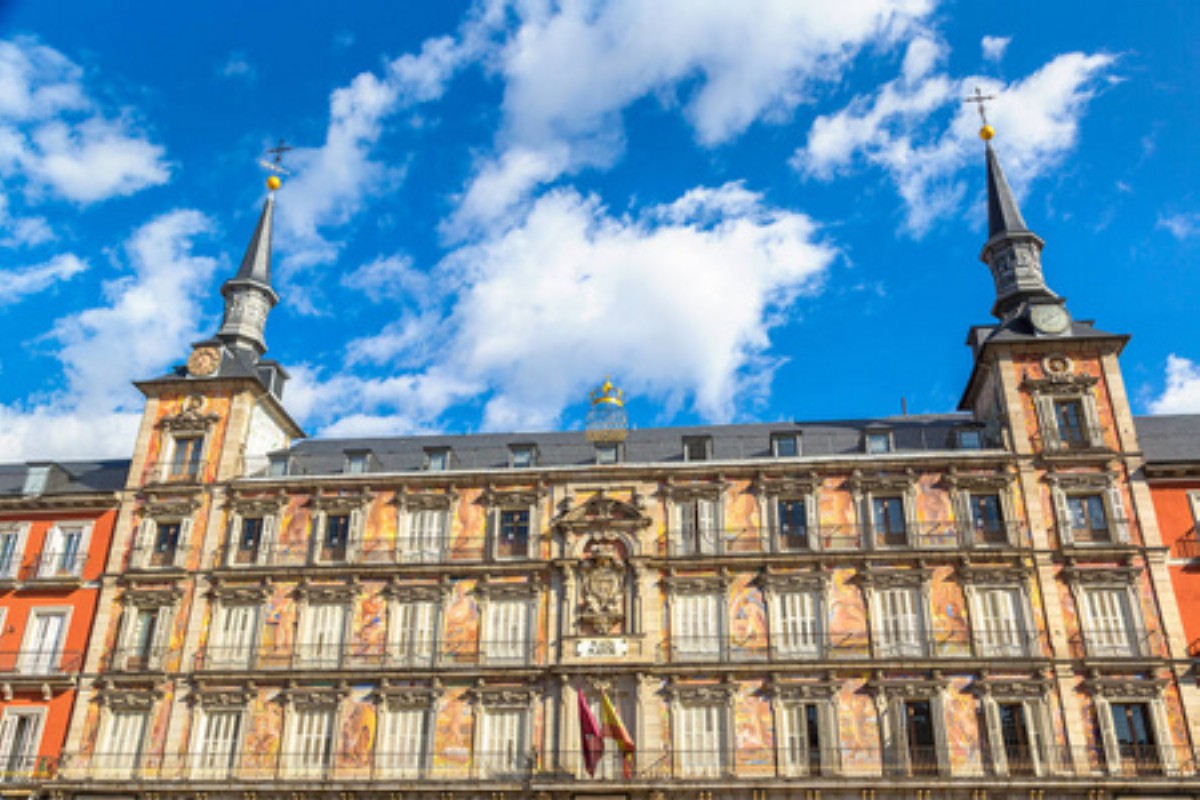
Puerta del Sol and Plaza Mayor are must-visit photo spots, but honestly these two places are better for taking pictures, and the surrounding restaurants all charge tourist prices. If you want authentic food, I suggest going to the Lavapiés or Malasaña districts.
| Attraction Name | Recommended Visit Time | Ticket Price |
|---|
| Prado Museum | 2-3 hours | 15 euros |
| Reina Sofía Art Center | 2 hours | 10 euros |
| Royal Palace | 1.5-2 hours | 13 euros |
| Retiro Park | 1-2 hours | Free |
Culinary Experience
You must try the tapas culture when visiting Madrid. I personally really enjoy some of the small taverns in the Latin Quarter, and Cava Baja Street has many excellent choices. Jamón Ibérico and Patatas Bravas are must-orders.
For breakfast, I recommend going to traditional cafés and ordering churros with hot chocolate, which is the classic Madrid breakfast. San Ginés is the most famous, but actually many local cafés make them just as well.
Lunch time for Spaniards is generally between 14:00-16:00, and many restaurants offer Menu del Día, which typically includes an appetizer, main course, dessert, and drink for 10-15 euros—excellent value for money. For more detailed Madrid travel information and a comprehensive Madrid travel guide, these resources can help you plan your trip.
Accommodation Suggestions
For accommodation, the areas near Puerta del Sol and Gran Vía have the most convenient transportation, but they’re also the most expensive. If you’re on a budget, consider the Chueca or Malasaña districts—these areas have a great atmosphere, lots of young people, and are lively at night. I don’t recommend staying near the train station, as while it’s cheap, the environment is mediocre.
Both Airbnb and hotels offer good options, and booking in advance will be much cheaper. If you plan to stay for a week or more, renting an apartment will be more economical, and you can cook your own meals to save on dining expenses.
Practical Tips
Finally, here are a few tips: Shops in Madrid are basically closed on Sundays, with only large shopping centers in the city center open. Pickpockets are common, especially on the metro and at popular tourist spots, so be sure to watch your belongings. Tipping at restaurants isn’t required, but if the service is particularly good, you can leave 1-2 euros.
I hope this information is helpful. If you have specific questions about Madrid travel, feel free to leave a comment for discussion.
