Madrid, Spain’s Capital: The Heart of the Iberian Peninsula
When it comes to Madrid, many people might first think of Real Madrid Football Club or the Prado Museum. But did you know? Madrid is not only the capital of Spain, but also the political, economic, and cultural center of the entire Iberian Peninsula. This city is located in the very center of Spain, at an elevation of approximately 650 meters, making it one of the highest-altitude capitals in Europe.
The History of Madrid Becoming the Capital
Madrid became Spain’s capital relatively late in history. In 1561, Philip II moved the royal court from Toledo to Madrid, and from that moment, the city began its history as the nation’s capital. The reason for choosing Madrid was simple: it is located at the geographic center of the Iberian Peninsula, making it convenient for rulers to govern the entire country. Before this, Spain’s capital had changed multiple times, with cities including Toledo and Valladolid having served in this role.
Madrid Compared to Other Spanish Cities
Many people mistakenly think Barcelona is Spain’s capital, but in reality, the two cities have distinct differences:
| City | Role | Characteristics | Language |
|---|
| Madrid | National Capital | Political and Cultural Center | Spanish |
| Barcelona | Capital of Catalonia | Economic and Tourism Hub | Catalan/Spanish |
| Seville | Capital of Andalusia | Historic Cultural City | Spanish |
Modern Madrid’s Urban Landscape
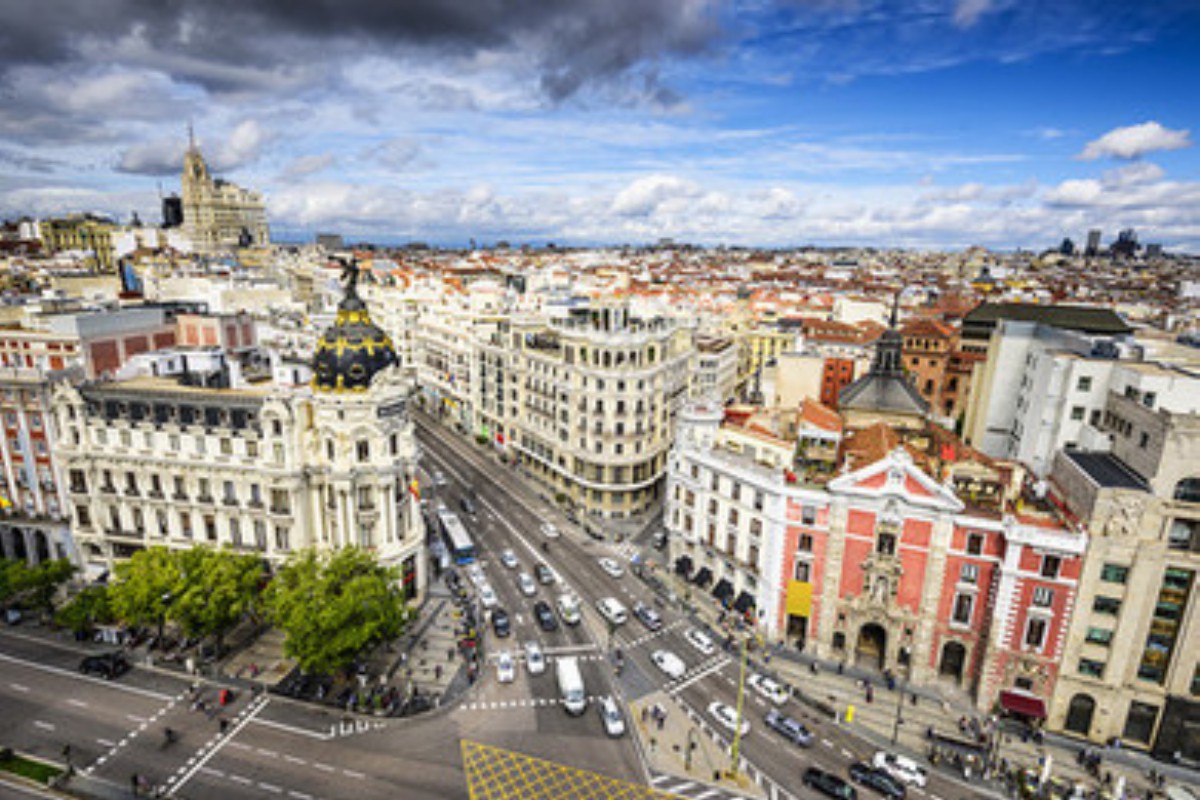
Today’s Madrid is a vibrant, modern metropolis. With a population exceeding 3 million, and when including the surrounding metropolitan area, the total population approaches 7 million, making it the third-largest city in the European Union. It houses Spain’s main government institutions, international corporate headquarters, and numerous world-renowned cultural institutions, including meat restaurants in Madrid. From the bustling commercial district of Gran Vía to the tranquil green spaces of Retiro Park, Madrid showcases diverse urban charm.
Why Understanding the Capital Matters
Understanding a country’s capital location and characteristics, such as romantic spots for couples in Madrid, is not only basic geographical knowledge but also helps us comprehend the country’s historical evolution and cultural features. Madrid, as Spain’s capital, carries the nation’s political decision-making, cultural heritage, and international exchange functions. Whether you’re exploring places to visit with children in Madrid or planning a trip, some people might think this knowledge is useless, but when you actually come to live or travel in Spain, this understanding will help you integrate into local society more quickly and experience Spanish culture more deeply.
