Recently, while enjoying drinks at several bars in Madrid’s city center, I’ve been hearing all sorts of rumors about general managers. Some say they’re locals, others claim they’re foreign investors, and some even speculate they’re professional managers sent by chain corporations. This seemingly simple question actually involves the complex operational models of Spain’s bar industry.
Management Structure of Madrid Bars
In Madrid, the management architecture of most bars isn’t as straightforward as people imagine. Based on my observations and understanding over the years, typical Madrid bars usually follow three management models: family-run operations, partnerships, and professional management systems. Those established bars near Gran Vía, many of which are family businesses passed down through generations, often have the so-called general manager being the owner themselves or a family member.
However, in areas like Malasaña or Chueca where young people gather, the situation is completely different. Madrid bars in these neighborhoods increasingly adopt modern management practices, hiring professional general managers to handle daily operations. They typically have backgrounds in hospitality management or hotel management, with salary structures including fixed wages plus revenue commissions, a model becoming increasingly common in emerging bars.
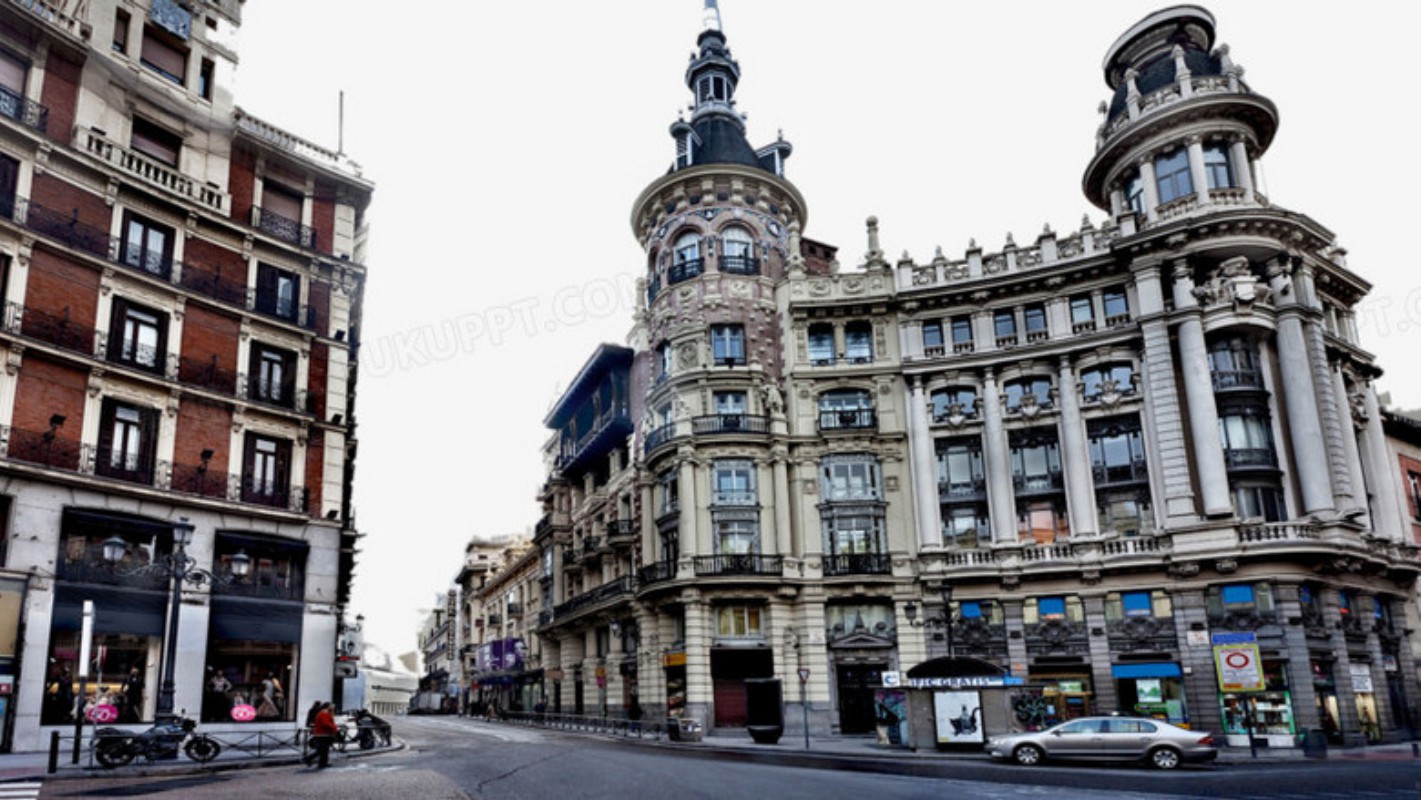
Comparison of General Managers Across Different Bar Types
| Bar Type | Manager Background | Management Characteristics | Average Annual Salary |
|---|
| Traditional Family Bars | Family Members | Focus on tradition and personal touch | Variable |
| Modern Chain Bars | Professional Managers | Standardized process management | 35,000-50,000 euros |
| Boutique Independent Bars | Entrepreneurial Partners | Flexible innovation-oriented | Depends on profit sharing |
| Upscale Cocktail Bars | Promoted Professional Bartenders | Emphasis on product and experience | 40,000-60,000 euros |
Speaking of specific cases, that famous cocktail bar in the Salamanca district has a general manager who worked their way up from bartender. This manager is quite renowned in the industry, not only mastering extensive knowledge of various spirits but also excelling at creating atmosphere and managing teams. I’ve heard they personally train new employees every week, and this dedication has become legendary in Madrid’s bar circle.
Actually, to answer the question of who manages Madrid bars, there’s no universal answer. Each bar’s situation differs, depending on the bar’s scale, positioning, business philosophy, and ownership structure. Some small bars may not even have a formal general manager position, with owners personally managing everything; while large chain bars establish complete management hierarchies where the general manager is just one component.
If you’re interested in a specific bar’s general manager, the most direct approach is to politely ask staff members when visiting. Madrid people are generally quite open and friendly, and as long as you show genuine curiosity rather than malicious prying, you’ll usually get a satisfactory answer. Additionally, professional social platforms like LinkedIn also feature public profiles of bar management personnel, which is another good way to understand industry dynamics.
Madrid’s bar industry management model is undergoing a transitional period, with tradition and modernity coexisting. Whether family-run or professionally managed, the ultimate goal is to provide customers with quality service and experience. Next time you visit a bar, pay more attention to these behind-the-scenes managers, and you might discover more interesting stories about Madrid bar restaurants.
