Which City is Real Madrid In? A Comprehensive Guide to Madrid’s Football CultureMadrid Plaza
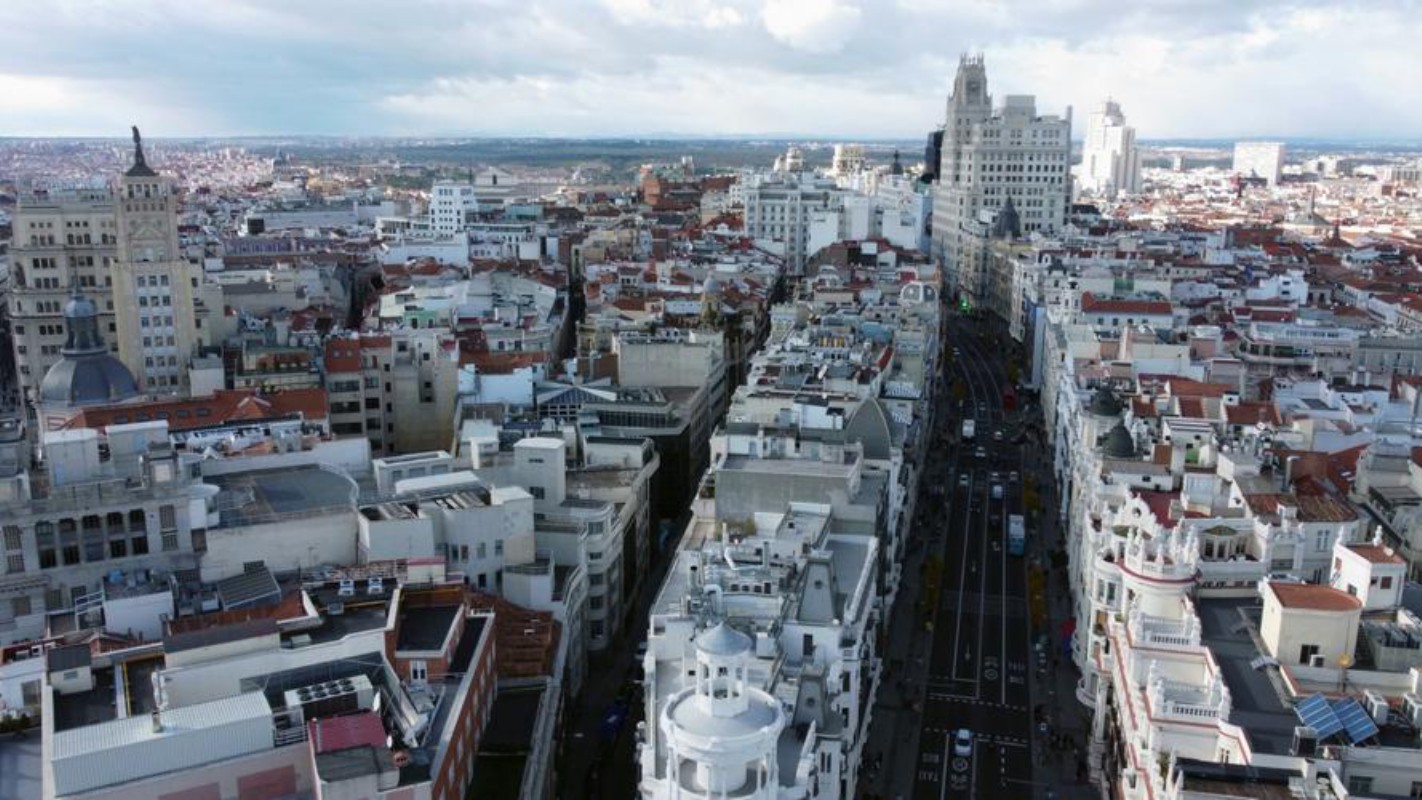
I’ve recently noticed forum discussions asking which city Real Madrid is actually located in. As a long-time Madrid resident and football fan, I feel it’s essential to address this topic thoroughly. Real Madrid Football Club is situated in Madrid, the capital of Spain, a city that serves not only as the nation’s political center but also as one of Europe’s major football culture hubs.
When people think of Madrid, Real Madrid and the Bernabéu Stadium often come to mind first. Santiago Bernabéu Stadium is located in the Chamartín district, slightly north of the city center, easily accessible via the Santiago Bernabéu metro station. The stadium area boasts excellent transportation links, whether by metro line 10 or various bus routes. On match days, the entire neighborhood fills with fans wearing white jerseys, creating an electrifying atmosphere that truly gets your blood pumping.
Madrid’s Deep Connection with Real Madrid
Real Madrid was founded in 1902 and has over 120 years of history. The relationship between this club and Madrid can be described as mutually beneficial. As the Madrid city ranking capital of Spain, Madrid has provided Real Madrid with a solid economic foundation and an extensive fan base, while Real Madrid’s glorious achievements have brought countless honors to the city, becoming one of its brightest calling cards.
It’s worth mentioning that Madrid is home not only to Real Madrid but also to another significant team, Atlético Madrid, whose home ground, Wanda Metropolitano Stadium, is located in the eastern part of the city. The derby matches between these two teams, known as the Madrid Derby, represent one of the most intense rivalries in Spanish football. On derby days, the entire city goes into a frenzy, with bars and restaurants everywhere buzzing with match discussions.
Practical Information for Visiting Santiago Bernabéu Stadium
If you’re planning to visit the Santiago Bernabéu Stadium in Madrid, here are some practical tips related to the Madrid Derby. The stadium offers official guided tours that include access to the players’ locker room, press conference room, trophy room, and other areas. Ticket prices vary depending on the season and tour type, and it’s recommended to book in advance through the official website to avoid queuing on-site.
| Item | Details |
|---|
| Address | Av. de Concha Espina, 1, 28036 Madrid |
| Metro Station | Santiago Bernabéu |
| Visiting Hours | Monday to Saturday 10:00-19:00 |
| Ticket Price | Adults approximately 25-35 euros |
| Official Website | realmadrid.com |
Experiencing Madrid’s Football Culture
Living in Madrid, you’ll discover that football is deeply woven into the city’s daily life. Every weekend match day, whether at Puerta del Sol in the city center or in neighborhood bars, television screens display football matches. Madrileños’ passion for football transcends age—from children as young as seven or eight to elderly people in their seventies and eighties, everyone can chat with you about Real Madrid’s latest performance.
Beyond watching matches, Madrid offers numerous football-themed activities. For example, every summer, the city government organizes free football training camps in places like Retiro Park, open to young people. Additionally, the city has countless football bars and themed restaurants, their walls adorned with player posters and memorabilia, making them perfect gathering spots for fans.
Finally, I want to say that if you’re a true football fan, Madrid will absolutely not disappoint you. This city offers not only world-class teams and stadiums but also a rich football culture atmosphere. Whether experiencing a live match or chatting with local fans in a street bar, it will be an unforgable experience. Some say Madrid’s football atmosphere doesn’t compare to Barcelona’s, but I believe each has its own character—Madrid’s football culture is more open and inclusive, welcoming all who love the beautiful game.
