Friends who have just arrived in Europe might wonder: which country does Madrid actually belong to? This question seems simple, but many first-time visitors to Europe do get confused. Today, let’s discuss this topic and share some related geographic knowledge.
Madrid’s National Affiliation
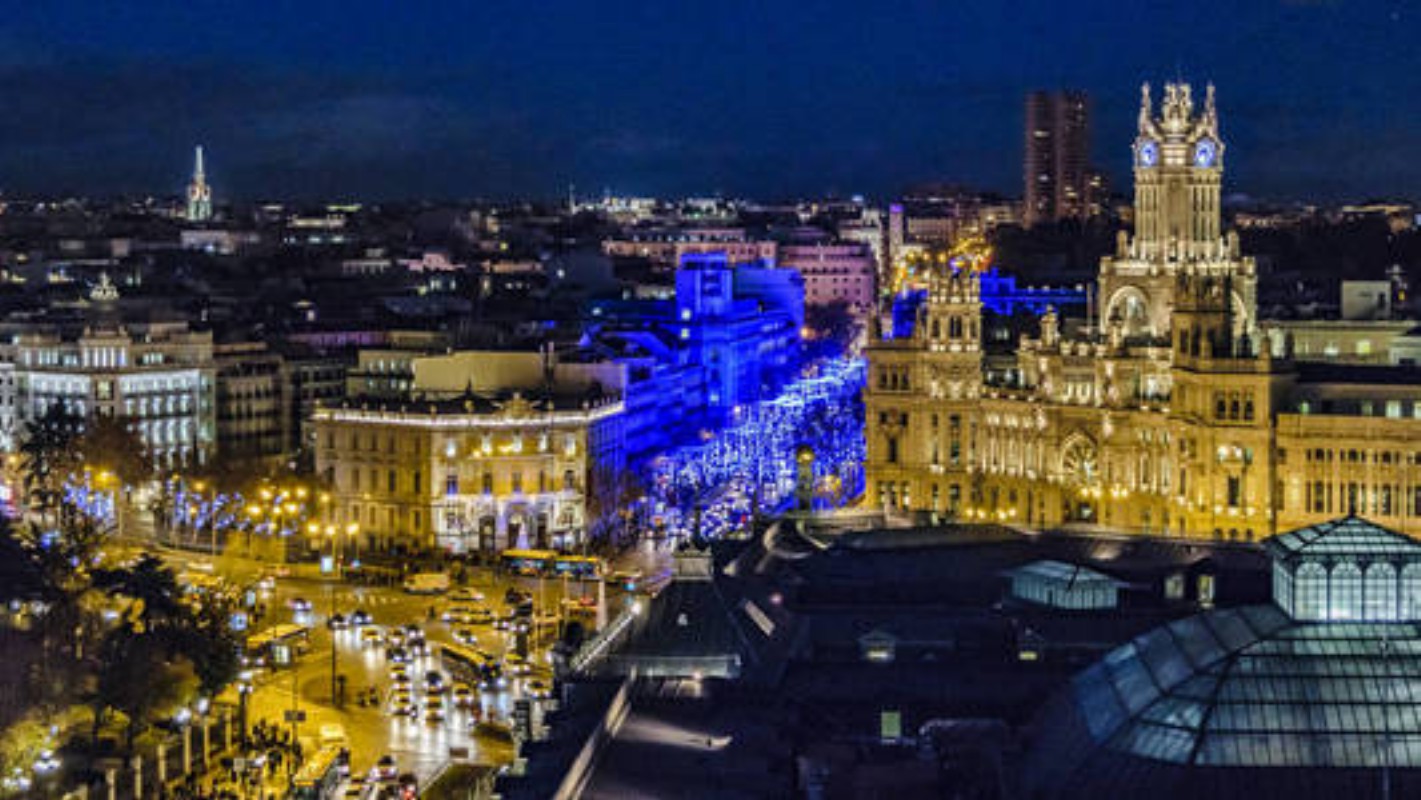
Madrid is the capital and largest city of Spain, located in the center of the Iberian Peninsula. As Spain’s political, economic, and cultural hub, Madrid is not only home to national government institutions but also one of the country’s most important cities. The city’s history dates back to the 9th century when Arabs established a fortress here. In 1561, Philip II moved the capital from Toledo to Madrid, establishing its status as the heart of Spain.
Spain’s Geographic Location
When it comes to Spain, many people know it’s in Europe but aren’t clear about its specific location. Spain is situated in southwestern Europe, occupying most of the Iberian Peninsula. Its northern border adjoins France and Andorra, the west neighbors Portugal, and the south faces Morocco in Africa across the Strait of Gibraltar. This unique geographic position makes Spain an important hub connecting Europe and Africa, the Atlantic Ocean and the Mediterranean Sea.
| Direction | Neighboring Countries/Waters |
|---|
| North | France, Andorra |
| West | Portugal |
| South | Strait of Gibraltar |
| East | Mediterranean Sea |
As the capital, Madrid is located at Spain’s geographic center, at approximately 650 meters elevation, making it one of Europe’s highest-elevation capitals. This location wasn’t chosen by chance—the central position facilitates effective management of all regions. From Madrid, whether heading to the Basque Country in the north, Catalonia in the east, or Andalusia in the south, the distances are relatively balanced.
Madrid’s Administrative Status
In terms of administrative divisions, Madrid is both a city and the capital of the Community of Madrid, one of Spain’s 17 autonomous communities. Some people think Madrid is just an ordinary city, but in reality, its administrative level is quite high. The Community of Madrid covers approximately 8,000 square kilometers with a population exceeding 6 million, making it one of Spain’s most densely populated regions. It houses the main government institutions, the Royal Palace, Parliament, and numerous international organization offices.
For friends who have just moved to Spain, understanding these basic facts about Madrid’s geographic location is very important. This not only helps you better understand Spain’s political and cultural landscape but also avoids common mistakes in daily conversations. After all, knowing where the capital is and which country it belongs to is the first step to integrating into local life.
Some Interesting Facts
Finally, here are a few tidbits about Madrid: the city’s emblem is a bear and a strawberry tree, an image you’ll see everywhere; the zero-kilometer marker at Puerta del Sol is the starting point of all Spanish roads; Madrid is home to the Prado Museum, one of the world’s three greatest museums. These all reflect the unique charm of this city and are important components of Spanish culture.
