After living in Madrid for nearly five years, I discover new details on the streets every time I walk through them. This city isn’t as touristy as Barcelona—the streets are filled more with the atmosphere of local life, as seen in these Madrid street scenes. At eight in the morning at Puerta del Sol square, office workers hurry past, and the corner’s old café is already full of people. The habit of drinking coffee while standing is deeply rooted here.
Street Coffee Culture
Madrileños’ dedication to coffee is truly impressive. Whether in the city center or residential areas, there’s a café every few dozen meters. Café con leche is the most common choice—espresso with hot milk, paired with tostada toast. Price-wise, standing is usually cheaper:
| Drink Type | Standing Price | Seated Price |
|---|
| Café solo | €1.2 | €1.8 |
| Café con leche | €1.5 | €2.2 |
| Cortado | €1.3 | €1.9 |
This price difference isn’t meant to rip off tourists—it’s traditional custom. Locals are in a hurry at breakfast, drink standing up and leave. Sitting down means occupying more space and service.
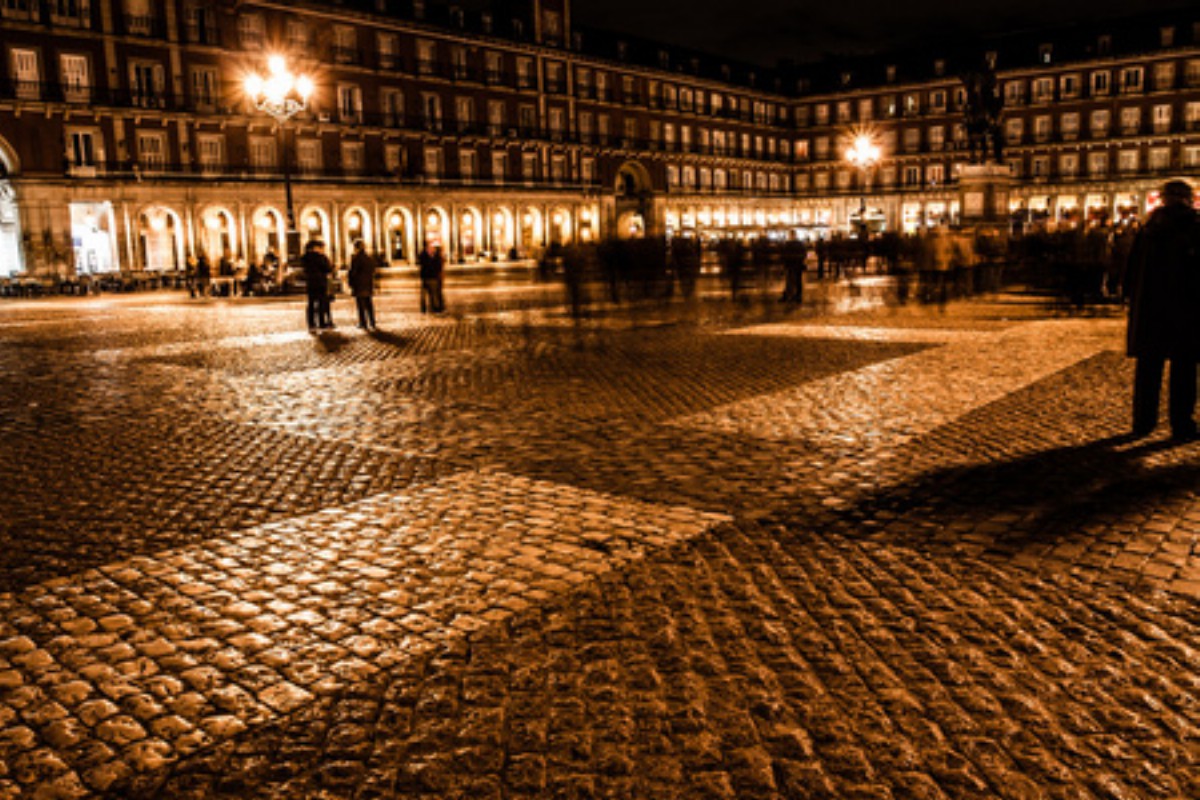
Gran Vía’s Foot Traffic
Gran Vía is one of Madrid’s busiest streets, but compared to major Asian cities, it’s still quite relaxed. From two to four in the afternoon is siesta time—many small shops close, and the streets actually get quieter. The real bustle comes after eight in the evening. Spaniards typically dine very late—eating at nine or ten o’clock is the norm.
Street performers are also part of the scenery. Near the Prado Museum, you often see artists playing violin, with varying skill levels but nice atmosphere. Some of these Madrid street sculpture performers dress up as statues standing motionless until someone drops a coin, which is common in other European cities too.
Metro and Street Connections
Madrid’s metro network is well-developed. Although some lines are old with dated facilities, punctuality is fairly reliable. Metro exits connect directly to streets, unlike some cities where you have to walk through long underground passages. Sol station is the busiest transfer point—it gets really crowded during peak hours. I’d recommend avoiding the seven-thirty to nine morning slot.
Street details are worth noting: sidewalks are generally narrow, many old town roads are paved with stone slabs, and you need to be careful of slipping when it rains. Traffic light wait times are quite long, but pedestrians mostly obey them, unlike some Southern European cities where things are more relaxed, as you might see with Madrid street dance crews. Waste sorting is decent—there are different colored bins on street corners, though compliance varies by area.
Streets at Night
Madrid’s nightlife is famously late. At one or two in the morning, there are still plenty of people on the streets, especially on Friday and Saturday. However, safety depends on the area. The city center with more tourists is relatively safe, but you still need to watch out for pickpockets. From personal experience, don’t put your phone in your back pocket, and wear backpacks in front.
| Area | Safety Level | Notes |
|---|
| Around Puerta del Sol | Medium | Crowded but many pickpockets |
| Lavapiés | Lower | Stay in groups at night |
| Salamanca District | Higher | Upscale residential area |
The charm of Madrid streets lies in their authenticity. There’s no excessive packaging or deliberately created atmosphere—it’s just a city where people truly live. Walking through the streets, you can feel the city’s rhythm: a bit slow but not lazy, a bit noisy but not irritating. This is probably why many people don’t want to leave once they arrive.
