Madrid Protected Housing Renovation Guide: A Practical Journey from Application to Completion
I recently completed the renovation of my protected housing apartment, a process that took 4 months with plenty of lessons learned along the way. Seeing many forum members considering similar projects, I wanted to share my experience with Madrid apartments in hopes it might help others.
Pre-Renovation Preparation
First and foremost, it’s crucial to understand that renovating protected housing isn’t something you can just start doing. According to Madrid regional regulations, any work involving structural changes, facade modifications, or usage alterations requires prior municipal government approval. When I renovated my kitchen and bathroom, even though no load-bearing walls were involved, I still submitted a renovation plan to the Junta Municipal.
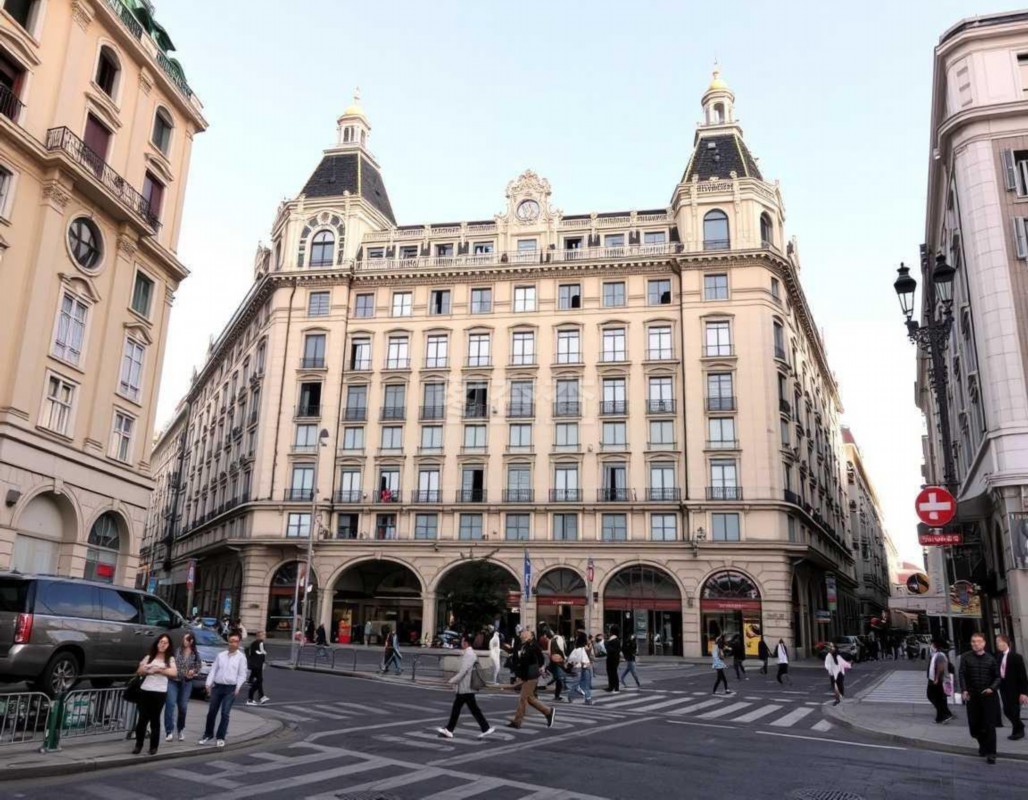
Required application materials include: property deed copy, renovation floor plan, contractor’s qualification certificates, and neighbor consent forms. The entire approval process took about 3 weeks, faster than expected. Important reminder: Never proceed without proper permits - if reported, fines start at €3,000 minimum.
Budget and Construction Essentials
Regarding costs, I’ve prepared a detailed comparison table for reference on Madrid quiet apartments:
| Renovation Item | Budget Range | Actual Cost | Notes |
|---|
| Kitchen Remodel | €8,000-12,000 | €9,500 | Including cabinets and appliances |
| Bathroom Renovation | €5,000-8,000 | €6,200 | Plumbing and tile replacement |
| Electrical/Plumbing | €2,000-3,000 | €2,400 | Full house wiring inspection |
| Painting | €1,500-2,500 | €1,800 | Labor and materials included |
The biggest headache during construction was noise management. Madrid regulations permit construction work on weekdays from 8:00-14:00 and 16:00-20:00, with noise prohibited on weekends and holidays. We strictly adhered to this schedule and proactively gave small gifts to upstairs and downstairs neighbors as a courtesy - we received no complaints throughout the process.
Common Issues and Solutions
The biggest challenge encountered was outdated plumbing. My apartment, built in 1985, had severely corroded iron pipes. The plumber recommended replacing everything with PPR material, which increased the budget, but we proceeded to avoid future leaks. Originally wanted to save this expense, but in hindsight, it was the right decision.
Another easily overlooked aspect is waterproofing. Bathroom waterproofing requires at least two coats, and according to Madrid apartment design standards, a 48-hour water retention test is mandatory. Our first test revealed leaks, requiring rework before passing. While this delayed the timeline, it’s far better than discovering problems after moving in.
Important Note: Keep all construction invoices and material lists - these add value when selling the apartment later.
Post-Renovation Reflections
The entire project cost approximately €20,000, about 10% over the initial budget, mainly due to plumbing upgrades and some additional minor items. However, seeing the finished result, every euro was worth it. Kitchen space utilization improved significantly, the bathroom became more modern, and overall living comfort increased substantially.
If you’re considering renovating protected housing, I recommend thorough research, comparing quotes from multiple contractors, and reserving a 15% contingency budget. During construction, regularly visit the site to supervise and address issues promptly. I hope my experience helps those preparing for renovation - feel free to leave comments with any questions.
