During recent strolls through the city center, I found myself reflecting on this city’s design in new ways. As someone who has lived in Madrid for several years, I’d like to share some observations about the downtown area’s design.
Historic District Preservation and Modernization
The street layout around Puerta del Sol has largely maintained its 17th-century configuration, with narrow streets and irregular block patterns fully preserved. The city council has been particularly careful not to disrupt this historical fabric during renovations. For instance, the pedestrianization of Calle Mayor was executed quite cleverly—retaining the cobblestone pavement while incorporating modern street furniture and lighting systems. I personally think this balance was achieved remarkably well.
Diversity of Public Spaces
From Retiro Park to Plaza de España, the city center offers a rich variety of public spaces. The table below outlines the characteristics of several major plazas:
| Plaza Name | Primary Function | Design Features |
|---|
| Puerta del Sol | Transportation hub/gathering place | Expansive hard-surface paving |
| Plaza Mayor | Cultural events/dining | Enclosed arcade architecture |
| Plaza de Cibeles | Landscape landmark | Fountain sculpture as focal point |
Each of these spaces has its own character, preventing any sense of monotony.
The Gran Vía Controversy
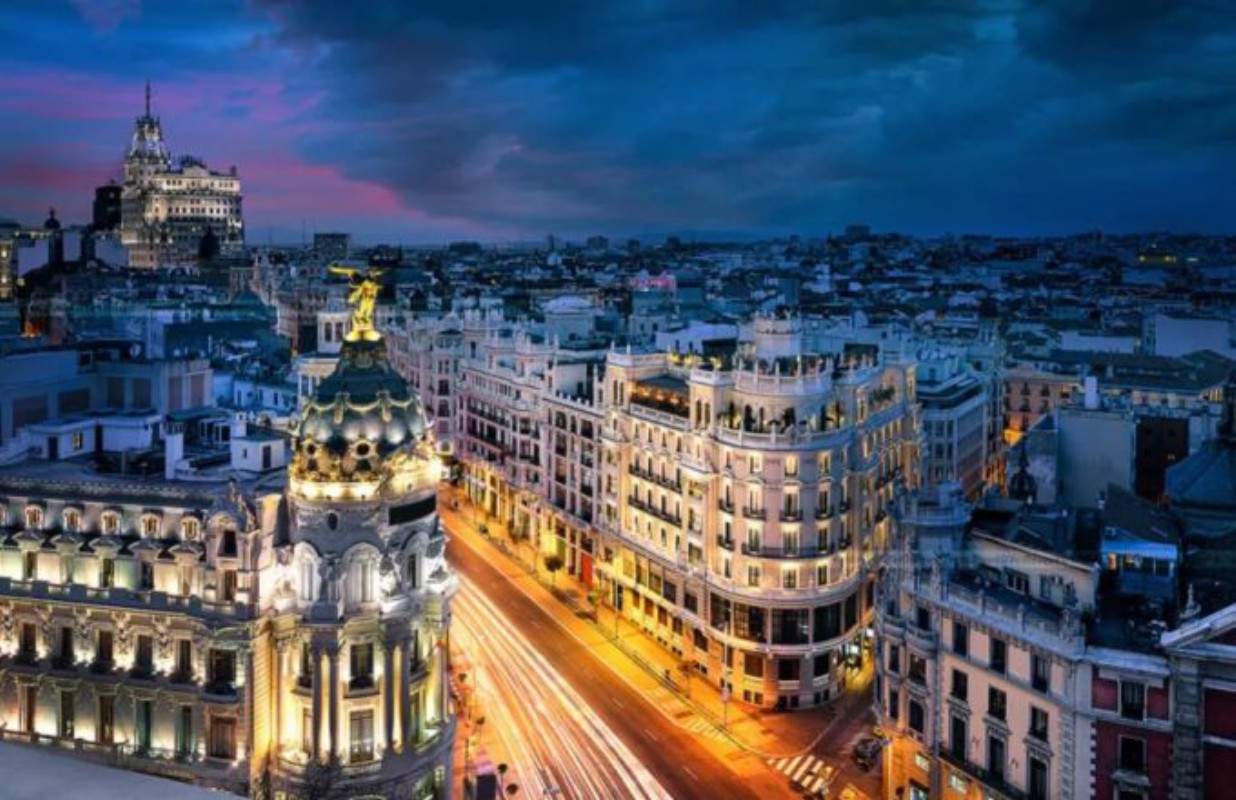
Gran Vía, a modernist boulevard opened in the early 20th century, required demolishing numerous old buildings. While it undeniably improved east-west traffic flow, it also severed the continuity of some traditional neighborhoods. Some say this was the price of progress for Madrid designer hotels, though I believe it reflects how different eras understood urban development differently.
Room for Improvement in Pedestrian Systems
The pedestrian environment in the city center has improved noticeably in recent years, with major commercial streets like Calle Preciados and Calle del Carmen now pedestrianized. However, from practical experience, sidewalk widths still feel insufficient during peak hours, especially near Sol metro station where congestion is常 overwhelming. Additionally, accessibility features need broader coverage—many old buildings still have stepped entrances.
Madrid’s city center design represents an ongoing negotiation between historical heritage and modern needs. As an ordinary resident, I hope future renovations will prioritize pedestrians and cyclists rather than continually accommodating motor vehicle traffic. What are your thoughts on the city center’s design? Discussion welcome.
