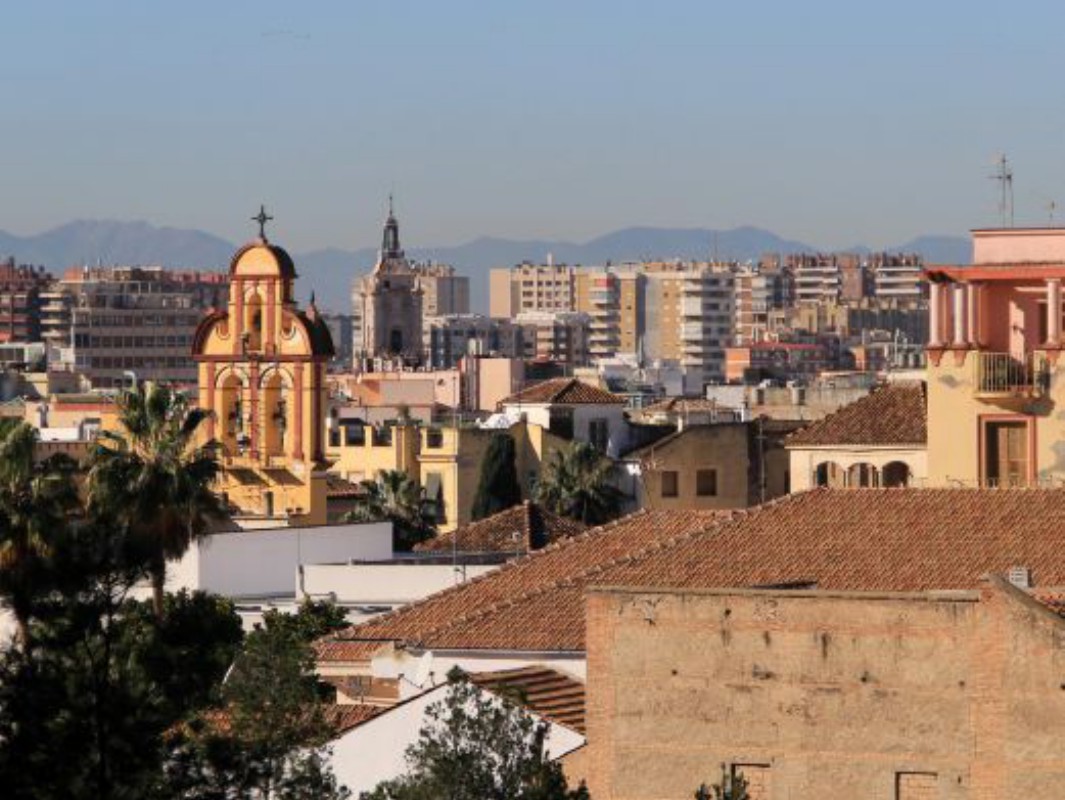
I’ve been researching tourism management programs in Málaga recently, and this city truly offers unique advantages for tourism education. As Andalusia’s tourism hub, Málaga boasts not only the stunning Costa del Sol but also a well-established tourism industry ecosystem, providing an Málaga tourism ideal practical learning environment for tourism management students.
Program Curriculum
The University of Málaga’s tourism management curriculum is remarkably comprehensive. Foundation courses include tourism economics, hospitality management fundamentals, and tourism marketing, while advanced modules cover destination management, sustainable tourism development, and digital tourism marketing. What’s particularly noteworthy is the program’s strong emphasis on practical application rather than pure theoretical instruction. For instance, one course requires students to conduct field research at Málaga’s tourist attractions, analyze visitor flows and consumer behavior, then propose improvement strategies.
Internship & Practical Opportunities
One of the program’s greatest strengths is its abundant internship resources. Málaga hosts hundreds of hotels, travel agencies, and event companies, with the university maintaining partnerships across the industry. Several students I know have completed internships at international hotel chains like Hilton and Marriott, while others have worked with local tourism boards and convention centers. Internships not only build experience but often lead to direct employment upon graduation for strong performers.
Here’s an overview of primary internship tracks and required skills:
| Internship Track | Main Responsibilities | Core Skills |
|---|
| Hotel Management | Front desk operations, room management | Multilingual ability, customer service |
| Travel Agency Operations | Itinerary planning, client relations | Trip design, communication coordination |
| Event Planning | Event organization, on-site management | Project management, teamwork |
| Tourism Marketing | Social media management, market promotion | Digital marketing, content creation |
Career Outlook Analysis
From an employment perspective, this field offers diverse career paths. Beyond traditional hotels and travel agencies, many graduates now join online travel platforms, airlines, and cruise companies. People used to think tourism management only meant becoming a tour guide, but management positions are actually in higher demand—areas like revenue management, market analysis, and product development face significant talent shortages.
Málaga’s thriving local tourism industry, with Costa del Sol welcoming tens of millions of visitors annually, combined with Málaga Airport being Spain’s fourth-largest, creates substantial employment opportunities nearby. However, note that tourism has pronounced seasonality—summer represents peak season while winter is relatively quiet, a factor to consider during job searches.
Application Recommendations
If you’re planning to apply for this program, considering even Málaga winter tourism experiences, language proficiency is the fundamental requirement. Most courses are taught in Spanish, requiring DELE B2 level or higher. Some institutions offer English-taught master’s programs, though bachelor’s degrees are primarily in Spanish. Additionally, relevant internship experience or volunteer work serves as a strong advantage—even short-term internships at domestic travel agencies or hotels merit inclusion in application materials.
Regarding tuition, public universities charge approximately €1,500-2,000 annually, while private institutions cost more. Living expenses in Málaga fall in Spain’s mid-range—rent plus daily expenses typically run €800-1,000 monthly. Overall, compared to Madrid or Barcelona, Málaga offers excellent value for international students, especially for those pursuing tourism management, where the city’s Málaga tourism industry environment is truly exceptional.
