Last autumn, I spent a week in Málaga, and this Andalusian coastal city truly exceeded my expectations. Compared to the hustle and bustle of Barcelona, Málaga feels like a place meant to be savored slowly. Today, I’m sharing some spots I found worthwhile for anyone planning a visit.
Alcazaba Castle and Gibralfaro Castle
The Alcazaba Castle sits on a hillside and is an 11th-century Moorish architectural gem. Admission is 5 euros, with free entry on Sunday afternoons. The castle’s courtyards retain their characteristic Arab style, featuring water pools and gardens that provide a cool respite. From the viewing platform, you can overlook the entire Málaga port and old town - the views are truly spectacular.
If you’re up for it during your Málaga travel experience, continue along the wall pathway up to Gibralfaro Castle. This stretch takes about 15 minutes and is somewhat steep, but the panoramic views from the top are even more impressive. I recommend visiting at sunset - the photos are absolutely stunning. A combined ticket for both castles costs 7 euros, which is better value than buying separately.
Picasso Museum and Old Town
Málaga is Picasso’s birthplace, and the city center houses a dedicated Picasso Museum. The museum is moderately sized and can be explored in 1-2 hours, showcasing his early and late-period works. Admission is 12 euros, and if you’re interested in modern art during your Málaga winter travel, it’s definitely worth visiting. The museum is adjacent to the old town, where narrow streets lined with shops and restaurants are perfect for wandering.
The Cathedral of the Incarnation in the old town is also worth a visit. While its exterior may not rival Seville’s cathedral in grandeur, the interior decorations are exquisite. Next to the cathedral is a small plaza where street performers often entertain, making it a pleasant spot to soak up the sun.
Malagueta Beach and Seafront Promenade
It’s about a 10-minute walk from the old town to the beach. Malagueta Beach is the main city beach, with dark volcanic sand and clean waters. Along the beach, numerous chiringuitos serve fried fish with beer - perfect for enjoying under a sun umbrella with the sea breeze.
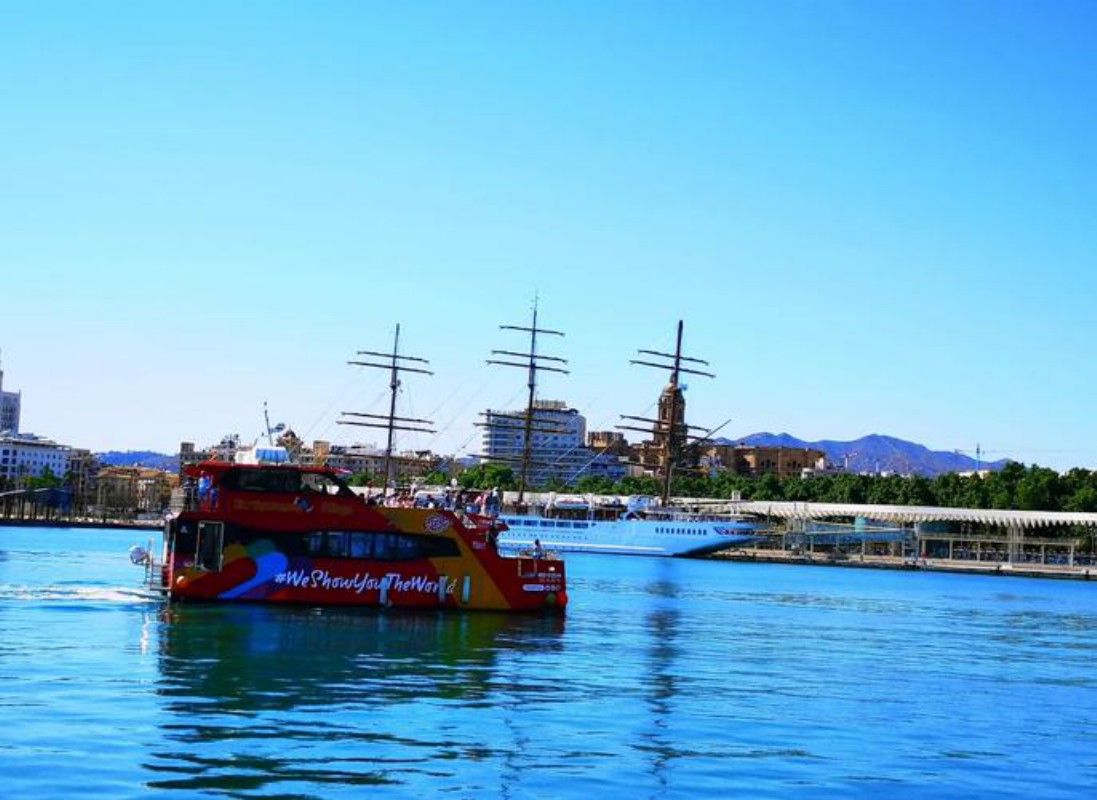
The Paseo del Parque promenade is lined with palm trees and tropical plants, ideal for evening strolls. However, midday summer heat makes walking less advisable. At the end of the promenade lies the modern Málaga port area, featuring an iconic Ferris wheel that looks beautiful when illuminated at night.
Practical Information Comparison
| Attraction | Ticket Price | Recommended Duration | Best Time |
|---|
| Alcazaba Castle | 5 euros | 1.5-2 hours | Evening |
| Picasso Museum | 12 euros | 1-2 hours | Morning |
| Malagueta Beach | Free | Half day | Afternoon |
| Gibralfaro Castle | 3.5 euros | 1 hour | Evening |
Local Food Recommendations
You absolutely must try Málaga’s pescaíto frito. Several traditional establishments near the Atarazanas Market in the old town serve it authentically. Also sample the local sweet wine, vino dulce, which pairs perfectly with tapas. The market itself is worth exploring, selling fresh seafood and fruit at prices lower than supermarkets.
For full meals, I recommend trying porra antequerana and espetos. Beachfront restaurants tend to be pricier, while venturing into the old town offers better value. Overall, Málaga is reasonably priced - a proper meal costs around 15-20 euros per person.
Málaga is truly an underrated city, combining historical culture with beach sunshine, and your Málaga travel won’t be as crowded as Barcelona or Madrid. I recommend allocating at least 2-3 days to truly experience the city’s rhythm. Feel free to leave questions in the comments below, and I’ll do my best to answer.
