As the second-largest city in the Andalusia region, Málaga’s tourism industry has undergone significant transformation over the past two decades. From a simple beach holiday destination, it has gradually evolved into a comprehensive tourism city integrating culture, gastronomy, and business. This transformation has not only changed the city’s economic structure but also profoundly influenced the lifestyle of local residents.
Economic Contribution of Tourism
According to statistics from the Málaga Provincial Government, the tourism industry directly or indirectly contributes approximately 18% of the province’s GDP, employing over 120,000 people. The Costa del Sol region receives more than 13 million visitors annually, with international tourists accounting for 65%. British, German, and French tourists constitute the main source markets, while visitor numbers from Nordic countries have been steadily growing in recent years.
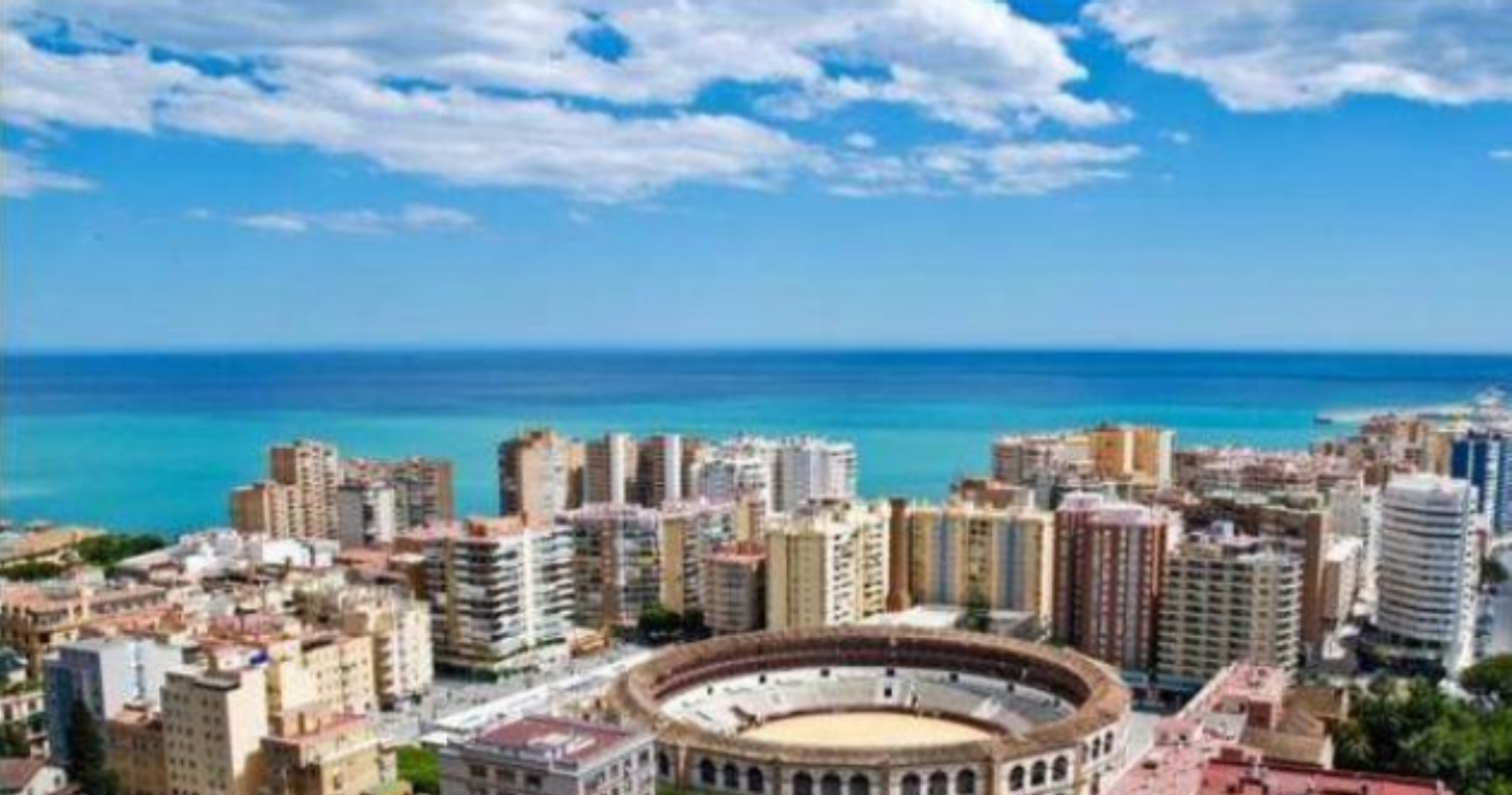
The tourism model in Málaga city differs significantly from coastal areas. The city center focuses more on cultural tourism, with the Picasso Museum, Centre Pompidou Málaga branch, and the historic Alcazaba fortress attracting numerous visitors interested in art and history. This culture-oriented tourism development strategy has helped Málaga avoid over-reliance on seasonal beach tourism. For those interested in exploring beyond summer, Málaga winter tourism offers unique experiences along the sunny coast.
Industry Structure Analysis
Málaga’s tourism industry composition is quite diversified, with the following breakdown of major segments:
| Tourism Type | Revenue Share | Peak Season |
|---|
| Beach Holidays | 42% | June-September |
| Cultural Tourism | 28% | Year-round |
| Business & MICE | 18% | March-June, September-November |
| Cruise Tourism | 12% | April-October |
This relatively balanced structure provides Málaga with strong resilience. The development of cultural tourism and business conventions, in particular, has effectively extended the tourist season and reduced income fluctuations between peak and off-peak periods.
Challenges Faced
Despite positive development momentum, Málaga’s tourism industry faces several challenges. First is the rising housing prices issue, as the proliferation of short-term rental apartments has driven up local property prices, creating tensions between residents and the tourism industry. Second, overtourism has led to overcrowding in certain old town streets during peak season, affecting residents’ quality of daily life.
Environmental pressures are equally concerning. Overdevelopment of the coastline, water scarcity, and carbon emissions generated by tourism activities all place burdens on the local ecosystem. Finding a balance between economic development and environmental protection is a critical challenge that Málaga’s tourism industry must address.
Future Development Direction
Málaga is promoting more sustainable tourism development. The municipal government has proposed the concept of a “Smart Tourism City”, utilizing digital technology to optimize visitor flow management and reduce congestion at popular attractions. Meanwhile, it encourages the development of rural tourism in inland areas, diverting visitors to surrounding towns like Ronda and Mijas.
Málaga is also actively exploring emerging markets. With the increase in direct flight routes, visitor numbers from Asia and Latin America are rising. Targeting the characteristics of these markets, local tourism authorities are developing more customized tourism products, including gastronomic tours, wine tasting, and in-depth cultural experience programs.
In the long term, the healthy development of Málaga’s tourism industry requires finding a balance between economic benefits, social harmony, and environmental protection. This relates not only to the sustainability of the tourism industry itself but also determines the overall quality of the city’s future development.
