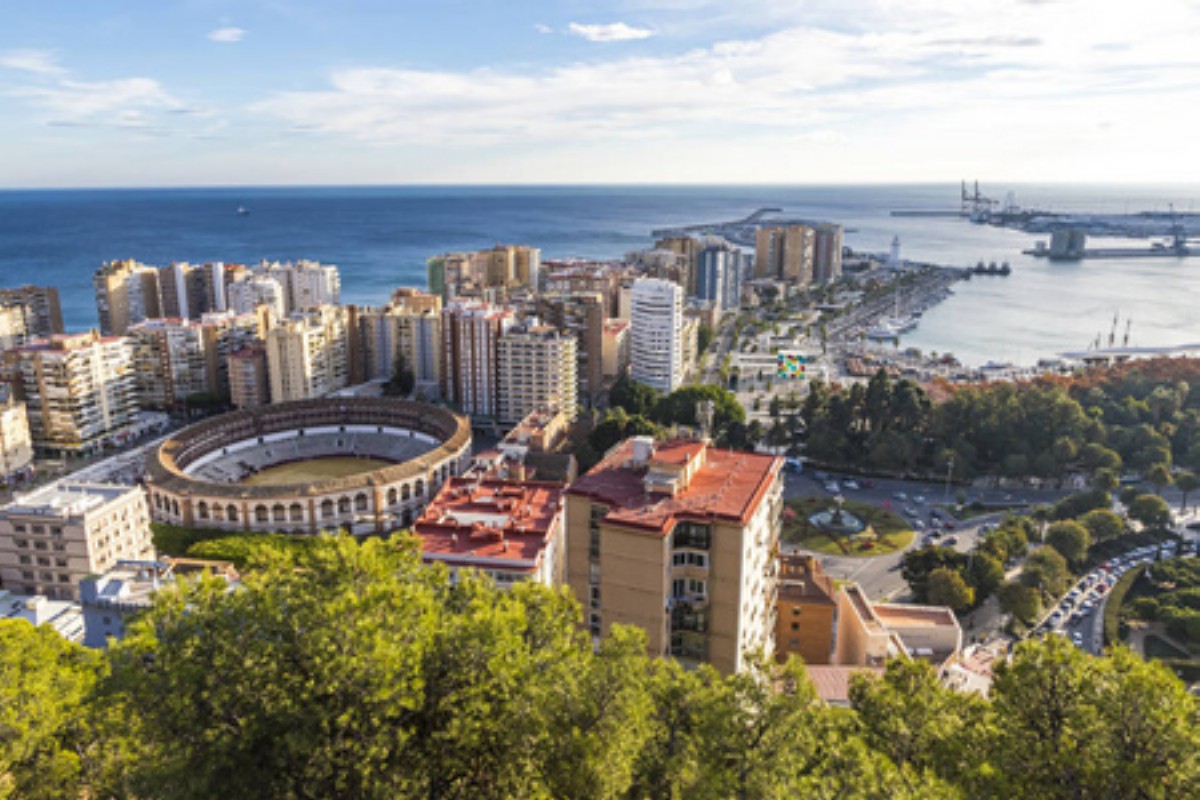
I recently visited Málaga and was truly amazed by how much this city has changed. When I came here ten years ago, Málaga tourism was just an ordinary seaside vacation spot, but now it has completely transformed into a vibrant cultural tourism city. Today I want to discuss Málaga’s tourism development model, which might offer some inspiration for other cities.
From Single Model to Diversified Development
Málaga’s tourism industry initially relied mainly on the natural resources of the Costa del Sol, with visitors simply coming to sunbathe, swim, and enjoy seafood. However, this model quickly hit a bottleneck because the competition through homogenization was too intense. Later, the city government made a very smart decision: to play the Picasso card. After the Picasso Museum opened in 2003, Málaga’s tourism structure began to undergo a qualitative change. Now the city has over 30 museums and art centers, successfully attracting a large number of cultural tourists.
Strategic Investment in Infrastructure
Málaga’s investment in infrastructure is particularly noteworthy. Airport expansion, high-speed rail connections, cruise terminal upgrades—these projects seemed costly, but the returns have been remarkable. In 2023, Málaga airport’s passenger throughput exceeded 20 million, making it Spain’s fourth busiest airport. More importantly, these facilities have made Málaga an ideal gateway for exploring Andalusia, allowing tourists to easily reach Granada, Seville, and other destinations.
| Development Stage | Main Characteristics | Annual Visitors |
|---|
| Pre-2000 | Traditional seaside resort | Approx. 3 million |
| 2000-2010 | Cultural facilities construction | 4-6 million |
| Post-2010 | Comprehensive cultural tourism | Over 10 million |
The Balancing Act of Sustainable Development
However, Málaga also faces the problem of over-tourism. Rents in the old town have risen nearly 40% over the past five years, forcing many local residents to relocate. This is a problem all popular tourism cities encounter regarding Málaga winter tourism, and the key is how to achieve balance. Málaga is now implementing some restrictive measures, such as controlling the number of vacation rentals in the city center and encouraging tourists to spread out to surrounding areas.
Overall, Málaga’s experience teaches us that a successful tourism development model requires combining natural resources with cultural heritage, long-term infrastructure investment, and finding a balance between economic benefits and residents’ quality of life. The city’s transformation journey continues, but it has already provided other cities with Málaga tourism a model worth learning from.
