Spaniards and Málaga: Life Imprints on the Andalusian Coast
As the second-largest city in the Andalusian region, Málaga holds special significance for Spaniards experiencing life in Málaga. This Mediterranean coastal city is not only Picasso’s birthplace but also the preferred destination for countless Spanish families to vacation and settle. Every summer, Spaniards from inland cities like Madrid and Barcelona flock here to enjoy the sun, beaches, and leisurely seaside moments.
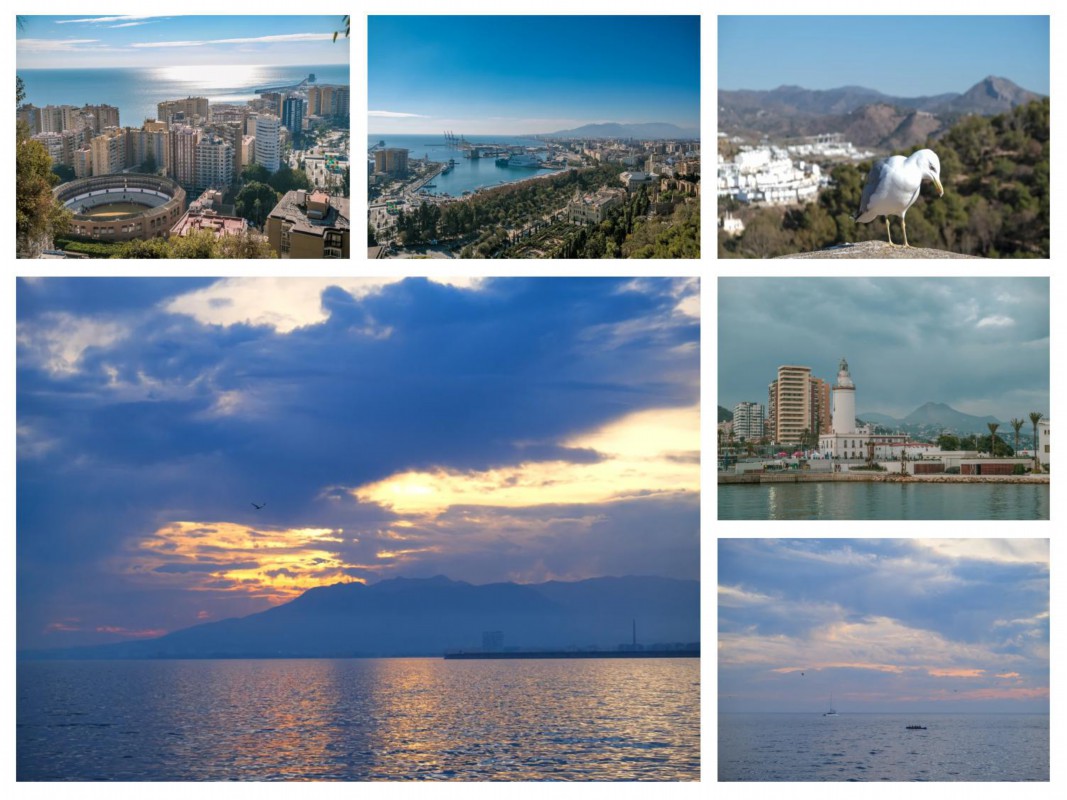
The Rhythm of Life in Málaga
If you’ve lived in Málaga for a while, you’ll discover that Spaniards here, including Málaga defenders from Espanyol, have a unique way of life. From 2 PM to 5 PM is the sacred and inviolable siesta time—shops close, streets quiet down, and the entire city seems to press pause. By 6 or 7 PM in the evening, the seafront promenade Paseo Marítimo comes alive again, with residents walking dogs, jogging, and strolling with baby carriages in an endless stream.
Malagueños are also particular about their cuisine, as seen in daily life of a Málaga family. In the old town’s small taverns, you’ll always find locals standing at the bar with a glass of Tinto de Verano and a few plates of tapas, chatting casually with the owner. Fried fish is Málaga’s signature dish, and almost every Málaga family has their favorite fried fish shop.
Cultural Identity and Urban Belonging
For Spaniards, Málaga is more than just a tourist destination. In recent years, more and more Spaniards from other regions have chosen to settle in Málaga, escaping the fast-paced life of big cities. The cost of living here is relatively low, the climate is pleasant, and the cultural atmosphere is rich—cultural landmarks like the Picasso Museum, Pompidou Centre, and Roman Theatre are scattered throughout the city.
| Málaga Advantages | Specific Features |
|---|
| Climate | Average annual temperature 19°C, abundant sunshine |
| Cost of Living | About 30% lower than Madrid |
| Cultural Activities | Over 50 festivals and celebrations annually |
| Transportation | International airport, direct AVE high-speed rail |
Festivals and Traditions
Málaga during Holy Week is one of the most spectacular scenes in all of Spain. Processions continue from Monday through Sunday, with brotherhood members carrying religious images through narrow streets while residents watch from balconies, the air filled with the scent of candles and flowers. For native Malagueños, this is not just a religious ceremony but an embodiment of family tradition and identity.
The Málaga Fair in August presents a different scene. Street parties are held downtown during the day, while large celebrations take place at the suburban fairgrounds at night. People from all over Spain dress in traditional attire and dance Sevillanas until dawn. This passion for life and commitment to tradition is precisely why Málaga attracts Spaniards.
A Cityscape of Old and New
The modern Málaga port area forms an interesting contrast with the historic old town. At the Muelle Uno shopping center, you’ll see fashionable young people dining at outdoor restaurants, while just a few hundred meters away in Cathedral Square, elderly people still sit on benches feeding pigeons and sunbathing. This coexistence of old and new allows Málaga to maintain Andalusia’s traditional charm while retaining the vitality of a modern city, making it an ideal place to live in the hearts of Spaniards.
