Recently, while watching Segunda División matches, I became intrigued by two teams: Alcorcón and Málaga. Although both clubs currently compete in life in Málaga Spain’s second tier, their historical backgrounds and current situations are vastly different. Today, let’s explore the stories of these two clubs.
Alcorcón: Small Club with Big Dreams
Alcorcón Football Club hails from the small town of Alcorcón, south of Madrid, and isn’t particularly prominent on Spain’s football map. Founded in 1971, the club spent many years in lower divisions before beginning a steady ascent after 2000. They were promoted to Segunda División for the first time in the 2009-2010 season, and have since established themselves at this level. Alcorcón’s most glorious moment was probably their 2009 Copa del Rey victory over Real Madrid—a match still fondly remembered by fans today.
Team Characteristics and Tactical Style
Alcorcón’s playing style is highly pragmatic, with counter-attacking football being their specialty. Due to limited budgets, the team cannot attract marquee signings, relying instead on collective teamwork and tactical discipline. Their home ground, Santo Domingo Stadium, holds only about 4,000 spectators, yet the atmosphere is remarkably passionate. The club’s youth academy has also improved in recent years, occasionally producing promising young talents.
| Season | Position | Points | Characteristics |
|---|
| 2021-22 | 16th | 48 | Survival secured |
| 2022-23 | 14th | 51 | Mid-table stability |
| 2023-24 | 12th | 53 | Slight improvement |
Málaga: A Fallen Giant’s Lament
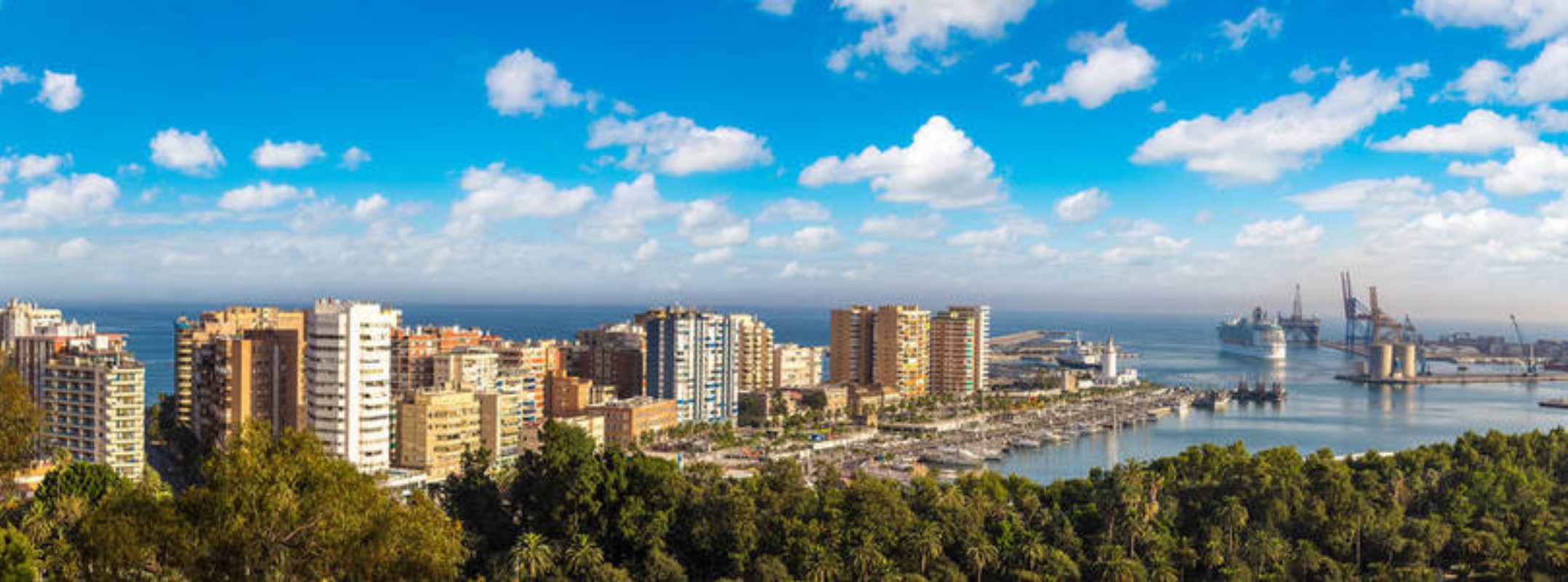
In contrast, Málaga’s story is far more complex. This historic club, founded in 1904, once held a firm position in La Liga and even reached the Champions League quarter-finals in 2012-13, coming within minutes of the semi-finals. However, fortune didn’t last—the withdrawal of Qatari investment plunged the club into financial crisis, causing them to tumble from La Liga all the way down to Segunda División B, only returning to Segunda División in 2021.
A Long and Difficult Reconstruction
Málaga’s current situation, as seen in matches like Málaga vs Huesca, remains precarious. La Rosaleda Stadium can accommodate over 30,000 spectators, but attendance is far from its former glory. Despite their illustrious history and solid fan base, financial constraints severely limit their transfer market activities. Fortunately, their youth system maintains high standards—stars like Isco emerged from Málaga’s academy. The club’s current objectives are realistic: stabilize in Segunda División, then gradually build strength to challenge for La Liga promotion.
Honestly, seeing Málaga’s current state is quite poignant. A club that once competed against Borussia Dortmund and Porto in the Champions League now battles for survival in the second tier. But that’s football—ups and downs are the norm. Compared to Málaga, while Alcorcón lacks such historical prestige, their grounded development model may be healthier and more sustainable. Though both teams compete in Segunda División, their stories and aspirations are completely different—and that’s precisely the charm of Spanish football, as evidenced in fixtures like Málaga vs Ponferradina.
